

What is a leather softness tester?
A Leather Softness Tester is a specialized piece of testing equipment designed to measure the softness of leather. By applying a specific amount of pressure to a leather sample and measuring the resulting deformation, the device determines the material's degree of softness or firmness. It is primarily used in leather manufacturing and quality inspection to compare the softness of different samples, ensuring that the tactile feel and quality of leather products meet established standards.
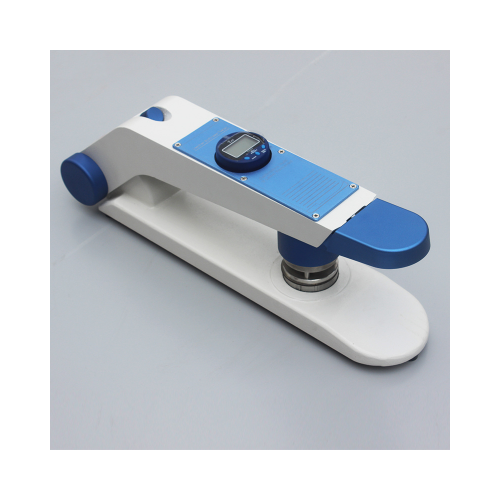
Instrument Features
This instrument offers stable measurement performance. Under defined test conditions, it conducts evaluations according to set protocols, ensuring that results across different samples are highly comparable. By standardizing test pressure, testing location, sample dimensions, and environmental conditions, the instrument minimizes the influence of external factors, providing a reliable data basis for assessing leather softness. This is particularly important for leather manufacturers, as different batches of leather may vary in softness due to differences in raw material sources, tanning processes, fatliquoring, dyeing, or finishing techniques. The instrument enables manufacturers to promptly identify variations in softness and make necessary adjustments to production processes. Furthermore, it offers excellent test repeatability; by performing multiple measurements on the same sample and comparing the results, users can determine the consistency of the leather's softness—a key metric for evaluating the performance of testing equipment. Continuous testing of multiple samples allows staff to understand the distribution of softness within a single batch, helping to detect significant quality discrepancies and improve overall quality management. Additionally, the test data can serve as a basis for comparing leather materials from different suppliers, assisting companies in selecting raw materials that meet their specific product requirements. The Leather Softness Tester is highly versatile, suitable for evaluating a wide range of leather materials—including natural cowhide, sheepskin, and pigskin, as well as leather subjected to various processing techniques. Depending on the specific design of the instrument and the applicable testing standards, it can also be used to compare the properties of certain types of artificial leather, synthetic leather, and other flexible materials. Factors such as thickness, fiber structure, surface coatings, oil content, and processing methods vary significantly across different leather materials, and all these elements influence the material's overall softness. Consequently, this instrument provides a means for evaluating the performance of various types of leather, making it suitable for use across leather research and development, production, and quality inspection. The equipment is characterized by its relatively simple operation and convenient testing workflow. Typically, the process involves preparing leather specimens according to specified standards, placing them flat in the designated test position, adjusting the testing apparatus as required, and then initiating the test. During the procedure, the instrument applies a specific force to the leather—using test probes, clamping mechanisms, or pressure-applying components—and derives softness data based on the relevant measurement principles. Some electronic models feature digital displays that show results directly, facilitating easy reading, recording, and analysis by operators. For manufacturing enterprises that need to process a large volume of samples, this operational approach helps improve testing efficiency and reduces the time required for manual inspection.
Fields of Application
In the leather manufacturing industry, this instrument is primarily used to assess the softness of natural and processed leathers, including those derived from cattle, sheep, and pigs. Since the softness of leather can shift during processes such as tanning, retanning, fatliquoring, dyeing, drying, and finishing, a leather softness tester allows manufacturers to monitor these changes across different production stages. It also enables the comparison of softness levels between different product batches, helping manufacturers refine their processing techniques to ensure that leather products meet established quality standards. In the footwear industry, the instrument is used to evaluate the softness of leather intended for shoe uppers, linings, and other components. Because leather softness directly influences the flexibility, fit, and comfort of a shoe, testing these materials helps manufacturers select the most appropriate leather for specific footwear designs and functional requirements—preventing issues where leather that is too stiff or too soft might negatively affect the appearance, structural integrity, or wearer experience. In the leather garment industry, the instrument can be used to assess the softness of materials for items such as leather jackets, trousers, skirts, and gloves, as different types of garments have distinct requirements regarding leather softness. Measuring the softness of leather allows for the assessment of its suitability for garment manufacturing. This helps companies control the tactile feel, flexibility, and comfort of the leather, ultimately enhancing the overall quality of the finished apparel. In the luggage and bag manufacturing industry, this instrument is primarily used to test the softness of materials intended for handbags, suitcases, wallets, briefcases, belts, and other leather goods. Different types of bags and luggage have varying requirements for leather softness; for instance, some handbags require softer leather to achieve a natural appearance and a pleasant, supple feel, while more structured bags require firmer, more rigid leather to maintain their intended shape. Softness testing enables manufacturers to select the most appropriate leather materials based on specific product design requirements.
Conclusion
The Leather Softness Tester not only assists companies in testing and comparing the softness of various leather materials, but also provides essential data to support raw material selection, production process optimization, product development, and quality inspection of finished goods. By incorporating leather softness testing into their routine quality management processes, companies can more effectively manage performance variations between different production batches, improve the stability and consistency of their leather products, and ensure that their materials meet the specific softness requirements for applications in footwear, apparel, luggage, furniture, and automotive interiors.