

What are the benefits of a zipper torsion tester?
A Zipper Torsion Tester is a specialized piece of testing equipment designed to evaluate the torsional resistance and structural integrity of zippers and their associated components. By applying a specific degree of torsion or a defined torsional force to a zipper specimen, the device simulates the twisting, rotation, and external forces a zipper might encounter during actual use, thereby assessing its structural stability and resistance to deformation under torsional stress.
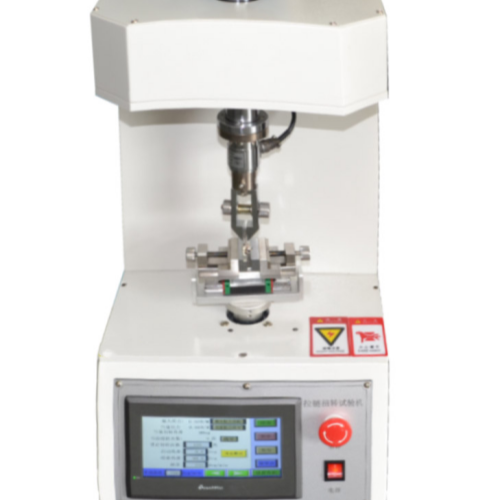
Structural Components
Frame: Serves as the primary support structure, housing various functional components and ensuring stable operation. Specimen Clamps: Secure both ends of the zipper specimen, preventing slippage or detachment during testing. Torsional Drive Mechanism: Utilizes a motor or other drive system to generate torsional motion, applying the required torque to the zipper specimen. Transmission System: Transfers power from the drive mechanism to the torsional assembly, enabling the device to perform rotational or reciprocating torsional movements as specified. Control System: Manages the operational status of the device and allows for the configuration of parameters such as torsion angle, speed, and the number of test cycles. Operation Panel: Provides an interface for starting/stopping the device and configuring test parameters. Angle Adjustment Device: Regulates or controls the torsion angle applied to the specimen to ensure compliance with specific testing requirements (configuration varies by model). Safety Protection Devices: Ensure operational safety; some models include emergency stop switches and other relevant protective features.
Primary Applications
Evaluating Torsional Resistance: Testing a zipper’s ability to withstand external torsional forces. Assessing Structural Integrity: Verifying the robustness of zipper teeth, fabric tapes, and connection points. Detecting Deformation: Determining whether a zipper exhibits bending, distortion, or damage following torsional stress. Product Quality Inspection: Identifying issues such as the detachment of zipper teeth or damage to the fabric tape during torsion. Evaluating Product Durability: Assessing the stability of a zipper’s performance under repeated torsional stress. Supporting Product R&D: Providing empirical data to guide material selection, structural improvements, and the optimization of manufacturing processes.
Applications
Apparel Industry: Used to test the torsional resistance of zippers on garments such as jackets, trousers, skirts, and sportswear. Luggage and Bag Industry: Used to evaluate the structural stability of zippers on suitcases, backpacks, handbags, and wallets. Footwear Industry: Used to test the torsional resistance of zippers on athletic shoes, boots, and other zippered footwear. Zipper Manufacturing Industry: Used to assess the quality of zippers by testing products with various materials, specifications, and structural designs. Textile and Accessories Industry: Used to test the connection strength of garment accessories and related zipper components. Quality Inspection Agencies: Used for performance testing, quality inspection, and assessment of zipper products. Product R&D Departments: Used to compare how different materials and production processes affect the torsional resistance of zippers.
Advantages
Precise Testing: Capable of performing torsional tests on zippers under specified conditions to evaluate their resistance to twisting. Simple Operation: Designed for ease of use, with intuitive settings for test parameters. Stable Testing: Utilizes a mechanical drive system to ensure a stable testing process, enhancing the repeatability of results. Secure Clamping: Equipped with specialized fixtures that firmly hold zipper specimens, minimizing slippage during testing. Adjustable Parameters: Allows for the adjustment of torsional angles, test speeds, or cycle counts, depending on the specific model configuration. Broad Applicability: Suitable for testing various types and specifications of zippers. Quality Control: Enables the timely detection of issues such as deformation, damage, or weak connections that may occur during torsion. Supports R&D: Provides empirical data to guide material selection, structural design, and the improvement of production processes. Quality Assurance: Identifies deformation, breakage, or structural loosening during torsion, thereby enhancing overall product quality. Economic Value: Prevents substandard products from reaching the market, reducing costs associated with rework, returns, and after-sales repairs. R&D Value: Supplies test data for material selection, structural design, and process optimization, facilitating product improvement. Production Management: Assists companies in establishing robust quality inspection protocols, improving the efficiency of production quality management. Market Value: Enhances product reliability and customer satisfaction, thereby strengthening the market competitiveness of a company’s products. Testing Value: Provides a reference for comparing the torsional resistance and evaluating the quality of various types of zippers through quantified test results. Long-term Utility Value: Reduces the risk of zipper damage during actual use by identifying potential quality defects in advance.
Summary
Zipper Torsion Testing Machines are primarily used in sectors such as apparel, luggage, footwear, zipper manufacturing, and quality inspection. They serve to evaluate a zipper’s torsional resistance, structural stability, and durability. By simulating the twisting and rotational forces a zipper might encounter during actual use, these machines help companies promptly identify product quality issues, ultimately improving the reliability and service life of their zippers.