
Tel:+86-21-6780 0179
Fax:+44(0) 207 398 0999
Email:market@qinsun-lab.com

Zipper torsion tester
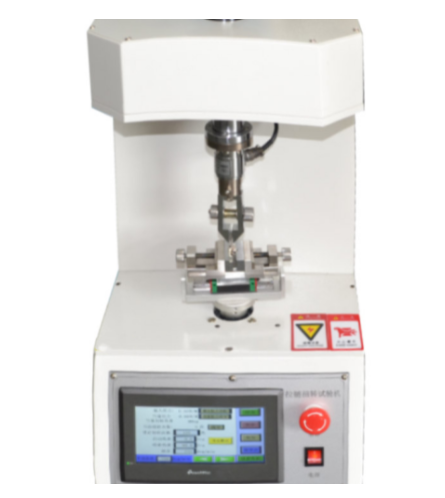
The zipper torsion tester is used to test the binding strength of the zipper pull head and whether it can withstand the specified torque value, so as to provide various improvement references and quality control basis for production.
Application
Zipper torsion testers are widely used in various fields, including but not limited to:
Apparel industry: Ensuring the resistance of zippers in outerwear, trousers, and skirts to wear and tear during use.
Luggage and bags: Ensuring the stability and durability of outdoor sportswear and travel bags under frequent opening and closing.
Footwear products: Ensuring the torsional resistance of shoelaces during use.
These testers simulate various conditions that zippers might encounter in real-world use by applying specific torque and tension, thereby ensuring product quality and user satisfaction.
Standards
QB/T2171-2001: Metal zipper
QB/T2172: Derlin zipper
QB/T2173: Nylon zipper
Features
High-precision measurement: Employs a high-precision torque sensor and microcomputer-based force measurement system to ensure measurement accuracy.
Multi-functional control: Utilizes a multi-functional LCD touchscreen control, offering simple operation and a user-friendly interface.
Automated testing: PLC system control enables automatic testing and calculation of results, improving testing efficiency.
Multiple testing standards: Complies with standards such as QB/T2171-2014. QB/T2172-2014. and QB/T2173-2014. ensuring the reliability of test results.
Durable design: Hardware undergoes a powder-coated process for an aesthetically pleasing appearance, and the panel is made of special aluminum for easy cleaning.
Parameters
| Item | Specification |
|---|---|
| Torque Gauge Accuracy | ±1%FS |
| Torque Gauge Range | 0.5-50Kg/cm |
| Torsion Speed | Adjustable from 0.5-1.5r/min |
| Volume | 250×450×800mm |
| Weight | About 50kg |
| Power Supply | AC 220V 50Hz |
Accessoriess
Fixture
Power line
Torsion transducer
Touchscreen controller
Test Procedures
The operation method of the zipper torsion tester includes the following steps:
Pre-use check: Ensure the limit switch is properly positioned and secure to avoid damaging the sensor or clamp.
Sample loading: Fix the zipper pull and tab to the clamp respectively, and twist at a speed of 1.5 r/min.
Testing: Directly read the torque data. During testing, fix the zipper pull and tab to the clamp respectively.
Data processing: Data processing includes marking the original gauge length, saving and retrieving test data.
Report printing: Preview the test results before printing using the connected printer.
Maintenance Information
Maintain zipper torsion testers by cleaning debris with a lint-free cloth after each use, lubricating moving parts (especially bearings) regularly to ensure smooth reciprocating movement. Inspect clamps for wear from high-force testing, check for loose screws, and store in a dry environment to prevent rust.