

What is the Elastic Tape Fatigue Testing Machine?
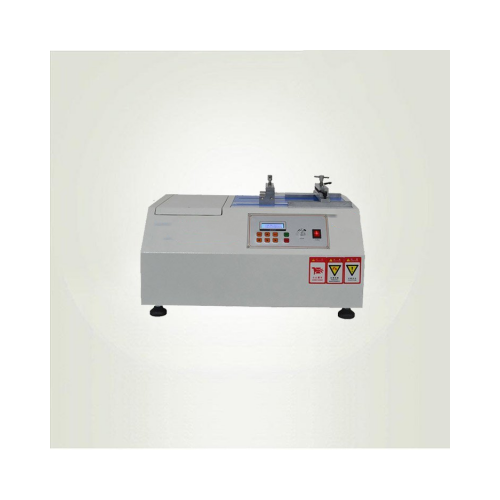
An Elastic Tape Fatigue Testing Machine is a specialized piece of testing equipment designed to evaluate the fatigue resistance of elastic tapes, bands, and other elastic materials. By simulating the repeated stretching and retraction that these materials undergo during actual use, the machine subjects the elastic tape to cyclic, repetitive tensile testing, allowing for an assessment of how the material’s performance changes after prolonged, repeated stress.
Operating Procedure
Prepare the specimen: Cut the elastic tape to the specified length and width according to the test requirements, ensuring the surface is free from damage or noticeable creases. Install the specimen: Open the machine’s clamps and secure both ends of the elastic tape into the holding fixtures (positioned either vertically or horizontally). Ensure the specimen is mounted flat and firmly to prevent any loosening or slippage. Set test parameters: Configure parameters such as the stretching distance, frequency, and the total number of cycles, in accordance with relevant test standards or product specifications. Begin the test: Start the machine; it will subject the elastic tape to repeated stretching and retraction based on the configured parameters, simulating the material's behavior during actual use. Monitor the test: Observe the specimen throughout the process for signs of breakage, detachment, deformation, or a significant loss of elasticity. End the test: The machine will stop automatically once the set number of cycles is reached or if the specimen fails; remove the specimen. Evaluate the results: Examine the specimen for changes in appearance, length, and elastic recovery. Record the test data to assess the fatigue resistance and durability of the elastic tape. Important notes: Before testing, verify that the power supply, clamps, and overall operating condition of the machine are normal. Ensure the specimen is clamped securely to prevent slippage during the test. Set the stretching ratio and number of cycles according to the applicable test standards or product requirements. Do not place your hands near moving parts while the machine is in operation. Clean the clamps after each test and maintain accurate test records.
Working Principle
The elastic tape fatigue testing machine utilizes a motor to drive a transmission mechanism, which causes the clamps to move back and forth along a defined path. This action applies cyclic, repetitive stretching and retraction to the elastic tape secured within the clamps, effectively simulating the repeated expansion and contraction the material experiences during real-world use. During operation, the elastic tape specimen is first secured between two clamping devices. The control system is then used to set the tensile stroke, test frequency, and number of cycles. Once the equipment is started, the drive motor actuates the transmission mechanism, causing the distance between the two clamps to vary periodically according to the preset parameters; this subjects the elastic tape to continuous cycles of stretching and release. Throughout this repetitive stretching process, the internal fibers and elastic structure of the tape undergo periodic stress and strain. As the number of cycles increases, the material may exhibit signs of fatigue, such as a loss of elasticity, permanent deformation, structural relaxation, or fiber breakage. By recording the number of test cycles and analyzing factors—including the specimen's length before and after testing, changes in elongation, elastic recovery, and the extent of visible damage—the equipment evaluates the elastic tape’s fatigue resistance, elasticity retention, and overall durability.
Machine Features
High Level of Automation: Equipped with a motor-driven control system, the machine automatically performs repeated stretching and retraction tests on elastic tapes, minimizing the need for manual intervention. Adjustable Test Parameters: Parameters such as stretching distance, test speed, and the number of cycles can be configured to suit different materials and specific testing requirements. Stable Operation: Utilizes a mechanical transmission structure to ensure smooth reciprocating motion of the clamps, enhancing the stability and repeatability of the testing process. Secure Clamping: Features specialized specimen clamps designed to hold elastic tapes of various specifications firmly in place, preventing slippage or detachment during testing. Cyclic Testing Capability: Capable of performing continuous reciprocating stretching for a set number of cycles, simulating the repeated expansion and contraction experienced by materials during long-term use. Fatigue Performance Evaluation: Used to assess elastic degradation, permanent deformation, structural damage, and potential breakage of elastic tapes following repeated stretching. User-Friendly Operation: A control panel allows for easy parameter setup and equipment operation, facilitating efficient testing and data recording. Wide Range of Applications: Suitable for elastic webbing, elastic bands, elastic tapes, garment accessories, and other materials with elastic properties.
Primary Functions
Fatigue Resistance Testing: Evaluates the ability of elastic tapes to withstand long-term cyclic stretching through repeated stretch testing. Elastic Recovery Assessment: Checks whether a material can return to its original length after being stretched. Elastic Degradation Detection: Determines whether a material experiences a loss of elasticity or loosening after repeated stretching. Service Life Evaluation: Analyzes the durability of a material over long-term use by subjecting it to a specified number of stretching cycles. Material Damage Detection: Monitors specimens for signs of fatigue-related damage, such as breakage, deformation, or fiber loosening. Quality Control: Provides essential data for the production inspection, quality assessment, and research and development of elastic tapes.
Conclude
This equipment is primarily designed to evaluate the durability, fatigue resistance, and service life of elastic tapes. It is widely used in the quality testing and product development of textiles, garment accessories, elastic bands, elastic webbing, and related materials. This equipment features automated testing, adjustable parameters, stable operation, reliable clamping, and cyclic testing capabilities. It effectively evaluates the fatigue resistance, elasticity retention, and overall durability of elastic bands under repeated stretching, providing a basis for product quality control and research and development.