

What Can a Geotextile Dynamic Puncture Tester Test?
In the research and application of geotechnical engineering, geotextiles are an indispensable and important material. As engineering requirements continue to increase, the performance testing of geotextiles has become increasingly important. In this field, the Dynamic Cone Drop Test Apparatus, as an advanced testing instrument, is gradually receiving widespread attention and application.
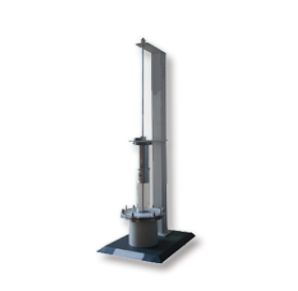
Basic Principle of the Dynamic Puncture Test Apparatus for Geotextiles
The Dynamic Puncture Test Apparatus is used to evaluate the puncture resistance of geotextiles under applied loads. The instrument applies a specified dynamic load to simulate potential damage that geotextiles may experience under actual operating conditions, thereby assessing their resistance to puncture. When the load is applied to the geotextile specimen, the instrument records the occurrence of puncture and the corresponding force value in real time. These data provide a comprehensive understanding of the durability and suitability of the geotextile for specific applications.
1. Test Standards and Specifications
Dynamic puncture tests are generally conducted in accordance with relevant national and international standards. For example, ASTM and EN standards specify test requirements, including specimen preparation, loading rate, and measurement methods. These standardized procedures help ensure the reliability and consistency of test results.
2. Monitoring and Data Analysis
Modern Dynamic Puncture Test Apparatuses are typically equipped with advanced sensors and data acquisition systems capable of monitoring the applied force and puncture process in real time. These data can be used for immediate evaluation and further analyzed using specialized data analysis software, enabling more accurate assessment of the puncture resistance and overall performance of geotextiles.
Applications of the Dynamic Puncture Test Apparatus for Geotextiles
The application of the Dynamic Puncture Test Apparatus is gradually expanding across various fields, mainly including the following:
1. Geotechnical Material Research and Development
During the development of new geotextiles, the Dynamic Puncture Test Apparatus can be used to evaluate material performance, helping optimize material formulations and manufacturing processes and develop more competitive products. With the high-precision data provided by the instrument, researchers can more accurately determine how the puncture resistance of geotextiles varies under different material formulations and processing conditions. This provides a scientific basis for material improvements and process adjustments, promoting the continuous development of geotextile products toward higher performance and quality.
2. Engineering Quality Inspection
During geotechnical engineering construction, regular testing with a Dynamic Puncture Test Apparatus can effectively identify potential performance issues in geotextiles, allowing construction plans to be adjusted in a timely manner and helping ensure overall project quality. By systematically evaluating the puncture resistance of geotextiles used on site, engineers can identify potential performance degradation caused during transportation, installation, or construction. Appropriate corrective measures can then be taken, including repairing affected areas or replacing materials, to prevent local damage or inadequate material performance from compromising the safety and stability of the overall project.
3. Education and Scientific Research
At universities and research institutions, the Dynamic Puncture Test Apparatus serves as an important tool for geotechnical engineering education and scientific research, helping students and researchers gain a deeper understanding of the mechanical properties of geotechnical materials and develop practical skills. In teaching, students can operate the instrument directly and observe the failure process of geotextiles under dynamic loading, which helps deepen their understanding of material mechanical properties and related theoretical concepts. In scientific research, researchers can use the apparatus to conduct systematic experimental studies and investigate the effects of different factors on the puncture resistance of geotextiles, providing valuable support for the theoretical development and engineering application of geotechnical materials.
Technical Advantages of the Dynamic Puncture Test Apparatus
The Dynamic Puncture Test Apparatus offers several technical advantages, making it highly effective for evaluating the performance of geotextiles:
1. High-Precision Data Measurement
The apparatus enables high-precision, real-time data acquisition, making test results more reliable. With advanced sensing technology and data acquisition systems, the instrument can accurately record changes in force and energy consumption throughout the puncture process, providing detailed and accurate data for subsequent analysis.
2. Adaptability to a Wide Range of Test Conditions
The Dynamic Puncture Test Apparatus can perform tests under various environmental conditions and accommodate geotextiles made from different materials, providing reliable testing support for diverse engineering applications. Whether the geotextiles differ in thickness, density, or fiber structure, the instrument can be adjusted according to specific testing requirements to meet a wide range of test conditions.
3. User-Friendly Operating Interface
Modern Dynamic Puncture Test Apparatuses are generally equipped with user-friendly operating interfaces, making the equipment simple and convenient to use. Clear display panels and intuitive operating procedures reduce the learning curve for operators, minimize errors caused by improper operation, and improve overall testing efficiency.
4. Optimized Mechanical Structure
Modern Dynamic Puncture Test Apparatuses continue to incorporate innovations in mechanical design, providing enhanced stability and durability. Optimized structural design not only improves the reliability of the equipment during long-term operation but also reduces maintenance requirements and operational failures, providing strong support for continuous and efficient testing.
Conclusion
Overall, as an important instrument for evaluating geotextile performance, the Dynamic Puncture Test Apparatus can not only improve the quality and safety of geotechnical engineering projects but also play a key role in the development and application of new materials. As technology continues to advance, its potential applications will expand into more fields.A thorough understanding of the Dynamic Puncture Test Apparatus enables engineers to better evaluate and understand the performance of geotechnical materials while providing a solid foundation for further scientific research. With the continued development of technology, the Dynamic Puncture Test Apparatus will continue to play an important role in civil and geotechnical engineering.