

What is Glove Thermal Insulation Tester?
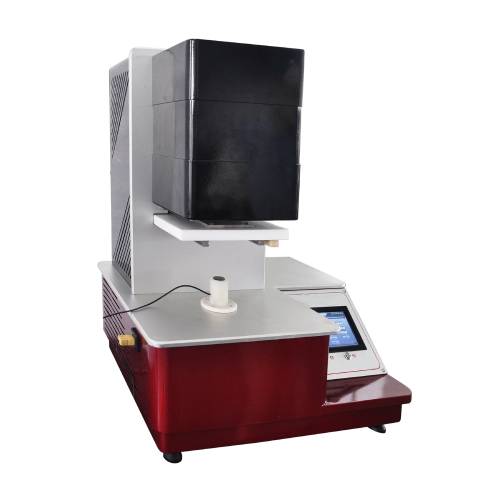
The Glove Thermal Insulation Tester is a specialized laboratory instrument designed to evaluate the thermal protective performance of gloves used in industrial, firefighting, military, and high-temperature working environments. Its main function is to measure how effectively a glove material can resist heat transfer and protect the human hand from thermal hazards such as flame exposure, radiant heat, or direct contact with hot surfaces. In many industries where workers are exposed to extreme heat conditions, hand protection becomes a critical safety requirement. The tester simulates these hazardous environments under controlled conditions and provides quantitative data on the insulation properties of glove materials. Regulatory bodies and safety organizations such as the Occupational Safety and Health Administration emphasize the importance of certified protective gloves to reduce burn injuries and ensure worker safety. The testing apparatus plays a key role in verifying whether gloves meet the required safety performance standards before they are approved for industrial use.
How the Thermal Insulation Test Measures Heat Transfer Through Glove Materials
The working principle of the glove thermal insulation tester is based on simulating heat exposure and measuring the rate at which heat passes through glove materials. During the test, a glove sample is placed on a specially designed hand-shaped or flat thermal sensor assembly. The outer surface of the glove is exposed to a controlled heat source, which may include radiant heat panels, convection heating, or direct contact with heated surfaces. Sensors placed beneath the glove measure the temperature rise over time, recording how much heat is transmitted through the material. The key parameter evaluated is thermal resistance, which indicates how well the glove can slow down heat transfer. A higher thermal resistance value means better insulation performance and greater protection for the wearer. The tester may also calculate thermal lag time, which measures how long it takes for heat to penetrate the glove and reach a critical temperature threshold. These measurements help determine whether a glove is suitable for specific high-temperature applications.
Importance of Thermal Protection in Industrial and Firefighting Environments
Thermal protection is essential in environments where workers are exposed to extreme heat sources, such as metal foundries, glass manufacturing, welding operations, and firefighting scenarios. In these conditions, even brief exposure to high temperatures can cause severe burns and long-term injuries. Gloves serve as the first line of defense, protecting hands from direct contact with heat and reducing the risk of thermal injury. The glove thermal insulation tester ensures that protective gloves meet the necessary performance requirements before they are used in real-world applications. In firefighting, for example, gloves must withstand both radiant heat from flames and conductive heat from hot surfaces while maintaining flexibility and dexterity. The tester evaluates whether glove materials can maintain their protective properties under these demanding conditions. By providing accurate performance data, the testing system helps manufacturers design safer and more reliable protective equipment for workers operating in hazardous thermal environments.
Testing Methods and Heat Exposure Techniques Used in Insulation Evaluation
The glove thermal insulation tester uses several different methods to evaluate heat resistance depending on the intended application of the glove. One common method involves radiant heat exposure, where a heat source emits controlled thermal radiation toward the glove surface. Another method uses conductive heat plates, where the glove is placed in direct contact with a heated metal surface to simulate real-world handling of hot objects. Some advanced testers combine multiple heat sources to simulate complex thermal environments that workers may encounter in industrial settings. During testing, the glove is mounted on a standardized hand form or sensor platform to ensure consistent positioning and contact conditions. The temperature beneath the glove is continuously recorded to monitor heat transfer behavior over time. The test continues until a predefined temperature threshold is reached or until a specific time duration has elapsed. These methods provide detailed insights into how different glove materials respond to various types of thermal exposure.
Role of Material Composition in Glove Thermal Insulation Performance
The thermal insulation performance of gloves is heavily influenced by the materials used in their construction. Common materials include aramid fibers, leather, silicone coatings, aluminized fabrics, and advanced composite textiles designed for high heat resistance. Each material has different thermal properties that affect how heat is absorbed, reflected, or blocked. For example, aluminized surfaces are highly effective at reflecting radiant heat, while aramid fibers provide excellent resistance to flame and high temperatures. Multi-layer glove designs are often used to combine different protective properties, with each layer serving a specific function such as insulation, moisture resistance, or mechanical protection. The glove thermal insulation tester helps engineers evaluate how these material combinations perform under realistic thermal conditions. By analyzing test results, manufacturers can optimize material selection and layer structure to achieve the best balance between protection, flexibility, and comfort.
Data Measurement and Performance Evaluation in Thermal Testing Systems
Modern glove thermal insulation testers are equipped with advanced data acquisition systems that provide precise and continuous measurement of thermal performance. Temperature sensors embedded in the testing platform record heat transfer in real time, while software systems analyze the rate of temperature increase beneath the glove sample. Key performance indicators include thermal resistance, heat flux, and time-to-burn thresholds. Some systems also use infrared imaging to visualize heat distribution across the glove surface. The collected data is processed into graphical reports that show how effectively the glove material slows down heat penetration. These results are essential for comparing different glove designs and materials. Engineers use this information to improve product performance and ensure compliance with safety standards. Digital analysis has significantly improved the accuracy and repeatability of thermal testing, allowing manufacturers to develop more reliable protective equipment for high-risk environments.
Compliance with International Safety Standards for Protective Gloves
Glove thermal insulation testing is governed by strict international safety standards that define performance requirements for protective handwear. These standards ensure that gloves provide adequate protection against thermal hazards in occupational environments. Manufacturers must test their products using certified equipment and follow standardized procedures to ensure consistency and reliability of results. The data obtained from glove thermal insulation testers is used to demonstrate compliance with these regulations before products are approved for commercial use. In industries such as firefighting, metallurgy, and chemical processing, compliance with thermal protection standards is mandatory to ensure worker safety. Regulatory frameworks help establish minimum performance thresholds that gloves must meet in order to be considered safe for use. The testing process ensures that only gloves with verified thermal protection capabilities are introduced into the market.
Differences Between Thermal Insulation Testing and Other Glove Performance Tests
Thermal insulation testing is only one aspect of glove performance evaluation. Protective gloves must also be tested for mechanical strength, cut resistance, abrasion resistance, chemical protection, and flexibility. While thermal testing focuses on heat transfer and insulation properties, mechanical tests evaluate durability under physical stress such as tearing or puncturing. Chemical resistance tests assess how well gloves protect against hazardous substances, while flexibility tests measure dexterity and comfort during use. Each type of test provides different information about glove performance, and together they form a comprehensive evaluation system. The glove thermal insulation tester specifically addresses the ability of gloves to protect against heat-related hazards, which is critical in many industrial applications. By combining thermal testing with other performance evaluations, manufacturers can ensure that gloves provide complete protection in complex working environments.
Future Developments in Thermal Protection Testing and Smart Protective Materials
The future of glove thermal insulation testing is closely linked to advancements in material science and sensor technology. Researchers are developing new smart materials that can adapt to temperature changes or provide enhanced insulation with reduced weight and improved flexibility. These innovations aim to improve both safety and comfort for workers in extreme environments. Testing equipment is also evolving, with increased use of automation, digital modeling, and real-time monitoring systems that provide more detailed insights into thermal behavior. Artificial intelligence is being used to analyze test data and predict material performance under different conditions, reducing development time for new protective equipment. Despite these technological advancements, physical thermal insulation testing remains essential because it provides direct and reliable measurement of real-world material performance. The glove thermal insulation tester will continue to play an important role in ensuring the safety and effectiveness of protective gloves in industrial and high-risk environments worldwide.