

What is Textile Light and Heat Performance Tester?
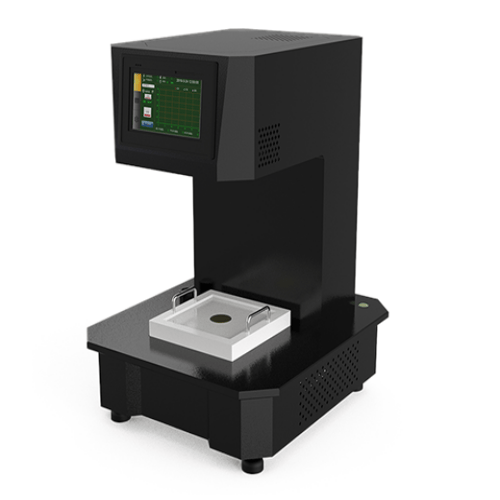
The textile industry has evolved far beyond the production of basic fabrics and garments. Modern textiles are expected to provide comfort, protection, durability, and performance under a wide range of environmental conditions. As a result, manufacturers and research laboratories increasingly rely on specialized testing equipment to evaluate fabric quality and functionality. One important piece of equipment used in this field is the Textile Light and Heat Performance Tester. A Textile Light and Heat Performance Tester is designed to evaluate how fabrics react to light exposure, thermal radiation, and heat transfer. The equipment helps manufacturers analyze properties such as heat insulation, thermal absorption, UV resistance, color stability, and cooling performance. These tests are essential for developing high-performance textiles used in clothing, sportswear, automotive interiors, outdoor products, military uniforms, and protective equipment.
Purpose of Textile Light and Heat Testing
Textiles are constantly exposed to sunlight, artificial lighting, and temperature changes during daily use. Prolonged exposure to light and heat can affect fabric appearance, strength, comfort, and durability. A Textile Light and Heat Performance Tester helps manufacturers understand how materials behave under these conditions before products reach the market. The equipment is widely used to evaluate thermal comfort in clothing. Some fabrics are designed to retain body heat in cold environments, while others are intended to reflect heat and keep the wearer cool in hot weather. Testing allows engineers to compare fabric performance scientifically and improve textile design. The tester is also important for assessing the durability of dyed and coated fabrics. Strong sunlight and heat exposure may cause fading, discoloration, or material degradation over time. By simulating environmental conditions in the laboratory, manufacturers can predict long-term product performance more accurately.
Basic Structure of the Tester
A typical Textile Light and Heat Performance Tester consists of a light source system, heating system, sample holder, sensors, control software, and data acquisition components. The light source may include xenon lamps, infrared lamps, or ultraviolet light sources that simulate natural sunlight or specific environmental conditions. The heating system generates controlled thermal radiation to expose the textile sample to a stable heat source. Temperature sensors and infrared detectors monitor heat transfer, surface temperature, and thermal response during testing.
Fabric samples are placed on a testing platform where they receive controlled light and heat exposure. The software system records changes in temperature, reflectivity, absorption, and other performance indicators throughout the experiment. Advanced systems may also include airflow simulation, humidity control, and environmental chambers to reproduce more realistic usage conditions.
Working Principle
The working principle of a Textile Light and Heat Performance Tester is based on simulating environmental exposure conditions and measuring how textiles react to them. During the test, a fabric sample is exposed to controlled light intensity and heat radiation for a specified period. Sensors continuously measure the temperature changes on the fabric surface and beneath the material. The system analyzes how much heat is absorbed, reflected, or transmitted through the textile. These measurements help determine the thermal comfort characteristics of the fabric.
In light resistance testing, the equipment evaluates how fabrics respond to prolonged exposure to simulated sunlight or ultraviolet radiation. Researchers observe changes in color, strength, flexibility, and surface condition after testing. The collected data allows manufacturers to compare textile materials objectively and optimize product performance according to specific applications.
Applications in Clothing and Apparel
One of the most common applications of Textile Light and Heat Performance Testers is the development of clothing and apparel products. Modern consumers expect garments to provide comfort under different weather conditions, and thermal performance testing helps manufacturers meet these expectations. Sportswear companies use the tester to develop fabrics that improve cooling, moisture management, and heat dissipation during physical activity. Outdoor clothing manufacturers evaluate insulation performance for jackets, gloves, and cold-weather gear.
Summer clothing materials may be tested for their ability to reflect sunlight and reduce heat accumulation. Fabrics with cooling finishes or reflective coatings are carefully evaluated to ensure they provide real thermal benefits. The tester is also widely used in the fashion industry to evaluate color stability. Brightly dyed garments exposed to sunlight can fade over time, and manufacturers use testing data to improve dye formulations and fabric treatments.
Use in Protective Textiles
Protective textiles require reliable thermal performance because they are often used in dangerous environments. Firefighter suits, military uniforms, industrial workwear, and heat-resistant garments are commonly tested using Textile Light and Heat Performance Testers. These tests help determine whether fabrics can reduce heat transfer and protect the wearer from thermal hazards. Materials used in protective clothing must balance insulation, durability, flexibility, and comfort.
Military textiles may also require infrared and thermal signature management. Specialized fabrics are tested for their ability to reduce heat visibility under infrared detection systems. This is especially important for camouflage and tactical applications. Protective clothing for industrial workers exposed to strong sunlight and high temperatures is also evaluated to improve heat stress management and wearer safety.
Automotive and Interior Applications
Textile Light and Heat Performance Testers are widely used in the automotive industry to evaluate interior fabrics, seat materials, carpets, and trim components. Vehicle interiors are frequently exposed to sunlight and high temperatures, especially in warm climates. Manufacturers use testing equipment to study how automotive textiles absorb heat and resist fading. Seat fabrics with poor thermal performance may become uncomfortable under direct sunlight, affecting passenger comfort.
Heat resistance testing also helps manufacturers improve material durability. Long-term exposure to ultraviolet radiation and heat may weaken fabrics or change their appearance. By identifying these issues early, automotive companies can improve product quality and lifespan. The same testing methods are used for aircraft interiors, railway seating materials, and public transportation textiles where long-term durability is essential.
Importance in Research and Development
Research institutions and textile laboratories rely heavily on light and heat performance testing during material development. New fibers, coatings, nanomaterials, and smart textiles must undergo detailed evaluation before commercial use. Researchers use the tester to analyze innovative cooling fabrics, solar-reflective materials, and thermoregulating textiles. Some advanced textiles are designed to adapt dynamically to environmental conditions, providing both insulation and cooling depending on temperature changes.
Testing also supports sustainability efforts in the textile industry. Manufacturers aim to develop fabrics that reduce energy consumption by improving thermal comfort naturally. Cooling textiles, for example, may reduce the need for air conditioning in hot climates. Reliable testing data helps researchers validate new technologies and accelerate the commercialization of advanced textile materials.
Advantages of Textile Light and Heat Performance Testing
One major advantage of using a Textile Light and Heat Performance Tester is accuracy. Laboratory testing provides controlled and repeatable conditions, allowing manufacturers to compare different materials scientifically. The system also improves product reliability. Fabrics that perform well during testing are more likely to maintain comfort, appearance, and durability during actual use. This reduces customer complaints and increases product value.
Testing additionally supports faster product development. Engineers can identify weak points in fabric performance early in the design process and make improvements before mass production begins. Another important benefit is compliance with international standards. Many industries require thermal and light resistance testing to ensure products meet safety and quality regulations. Reliable testing equipment helps manufacturers satisfy these requirements efficiently.
Conclusion
A Textile Light and Heat Performance Tester is an essential tool for evaluating how fabrics respond to sunlight, thermal radiation, and environmental heat exposure. The equipment plays a critical role in textile development, quality control, and research across industries including apparel, automotive, military protection, and industrial safety.