
Tel:+86-21-6780 0179
Fax:+44(0) 207 398 0999
Email:market@qinsun-lab.com
How to use Dental material color stability tester?
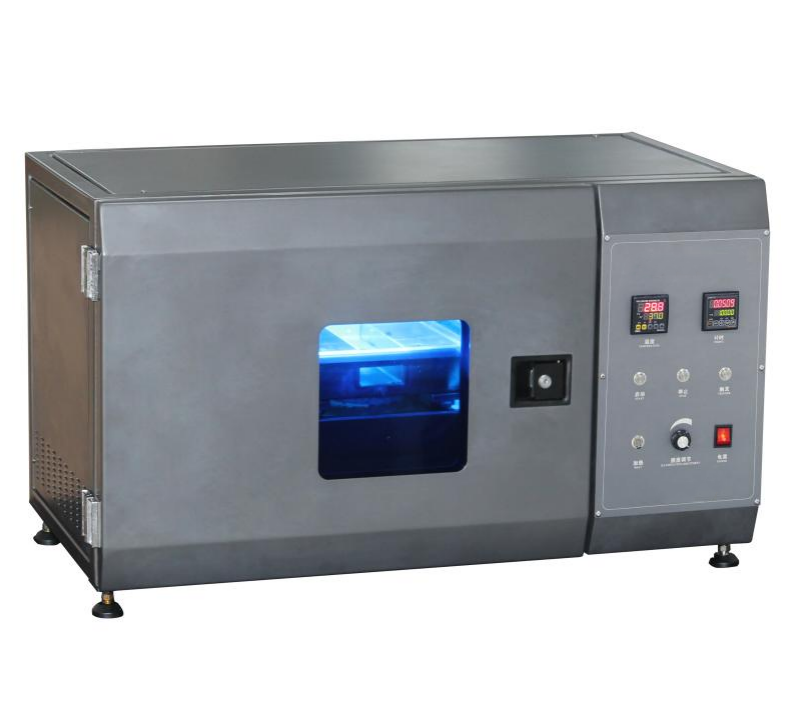
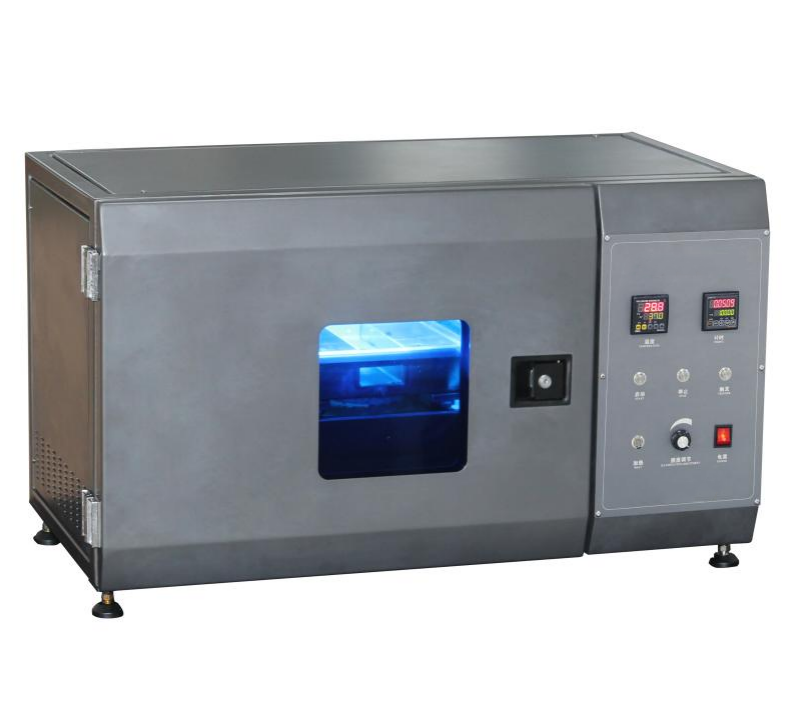
A Dental Material Color Stability Tester is a specialized testing instrument used to evaluate the color durability and discoloration resistance of dental materials under different environmental conditions. Dental restorations such as crowns, veneers, dentures, resin composites, and ceramic materials are expected to maintain their original appearance for long periods. Since color matching is highly important in modern dentistry, manufacturers and researchers rely on color stability testing to ensure product quality and patient satisfaction.
Importance of Color Stability in Dental Materials
Color stability is one of the most important characteristics of dental restorative materials because it directly affects the appearance of dental treatments. Patients expect restorations to blend naturally with surrounding teeth and maintain a stable color over time. If discoloration occurs after treatment, it may reduce patient confidence and require replacement of the restoration, increasing both cost and clinical workload.
Dental materials are constantly exposed to coffee, tea, wine, smoking, ultraviolet light, saliva, and temperature fluctuations in daily life. These factors may gradually change the surface color or transparency of the material. A reliable color stability test allows manufacturers and dental researchers to evaluate how materials react under simulated oral conditions before they are used in clinical applications.
Main Applications
Dental Material Color Stability Testers are widely used in dental material manufacturing companies, research laboratories, universities, and testing institutions. Manufacturers use the equipment during product development and quality inspection to compare the performance of different materials and improve product formulations. The tester helps ensure that dental products comply with international quality standards before entering the market.
Research organizations also use the equipment to study the influence of aging conditions, cleaning agents, beverages, and light exposure on dental restorations. In academic research, the tester supports the development of advanced materials with improved stain resistance and long-term aesthetic performance. The equipment is valuable for both industrial production and scientific innovation in restorative dentistry.
Working Principle
The working principle of a Dental Material Color Stability Tester is based on accelerated aging and color measurement technology. Test samples are exposed to controlled environmental conditions such as ultraviolet light, high humidity, temperature cycling, or staining liquids to simulate long-term oral exposure. After the aging process, the color difference between the original sample and the tested sample is measured using optical sensors or color analysis systems.
Most modern systems use color measurement standards such as the CIE Lab* color space to calculate color differences accurately. The tester can detect even small changes in brightness, hue, and saturation that may not be easily visible to the human eye. The collected data helps researchers evaluate the long-term aesthetic stability of dental materials under various testing conditions.
How to Use Dental Material Color Stability Tester
Before testing begins, the operator should prepare the dental material samples according to the required testing standard. The sample surfaces must be clean, smooth, and properly cured to ensure accurate results. The operator then places the specimens into the testing chamber or sample holder and sets the required testing parameters through the control system. These settings may include exposure time, temperature, humidity, ultraviolet intensity, or immersion conditions depending on the testing method.
After the testing program starts, the equipment automatically simulates the selected environmental conditions for a specified period. During the process, the system maintains stable and controlled testing conditions to ensure repeatability and accuracy. Once the aging or exposure cycle is completed, the samples are removed and analyzed using the built-in color measurement system or an external spectrophotometer. The final test report shows the degree of color change and helps determine the material’s resistance to discoloration.
Proper cleaning and maintenance are important after testing. Dust, moisture, or residue inside the chamber may affect future test accuracy. Regular calibration of optical sensors and measuring systems also helps maintain reliable testing performance over long-term use.
Advantages of Dental Material Color Stability Tester
One major advantage of the tester is its ability to provide objective and repeatable color evaluation. Human visual observation alone is often influenced by lighting conditions and personal perception, while the testing equipment can deliver precise digital measurements. This improves the consistency of quality control and research analysis.
Another advantage is the ability to simulate long-term aging conditions within a relatively short testing period. Instead of waiting years to observe natural discoloration, manufacturers can accelerate the testing process and quickly evaluate material performance. This significantly improves product development efficiency and shortens the time required for introducing new dental materials to the market.
Role in Modern Dental Material Development
As aesthetic dentistry becomes increasingly important, manufacturers are continuously developing materials with improved appearance, translucency, and stain resistance. The Dental Material Color Stability Tester plays an important role in this process by helping researchers compare different resin systems, ceramic formulations, pigments, and surface treatments under standardized conditions.
The equipment also supports innovation in digital dentistry and advanced restorative materials. Modern dental products are expected not only to provide mechanical strength but also to maintain natural aesthetics for many years. Reliable color stability testing helps manufacturers balance durability and appearance while meeting the growing expectations of dental professionals and patients.
Future Development Prospects
The future of Dental Material Color Stability Testers is closely connected with the rapid development of dental technology and smart manufacturing systems. As dental materials become more advanced, testing equipment will require higher precision, improved automation, and more realistic simulation capabilities. Future systems may include intelligent analysis software, automatic sample recognition, and cloud-based data management for improved laboratory efficiency.
Artificial intelligence and digital imaging technologies are also expected to play a larger role in future color evaluation systems. Advanced image analysis may help researchers detect microscopic surface changes and predict long-term discoloration trends more accurately. In addition, future equipment may better simulate real oral environments by combining temperature changes, saliva exposure, mechanical wear, and chemical staining in a single integrated testing process.
The growing global demand for cosmetic dentistry is another factor driving market growth. Patients increasingly expect dental restorations to remain aesthetically stable for many years, creating greater demand for high-performance dental materials and advanced testing equipment. As a result, Dental Material Color Stability Testers are expected to become even more important in dental research, manufacturing, and quality assurance.
Conclusion
The Dental Material Color Stability Tester is an essential instrument for evaluating the long-term aesthetic performance of dental restorative materials. By simulating aging conditions and accurately measuring color changes, the equipment helps manufacturers ensure product quality, improve material formulations, and meet modern clinical requirements.
With the continuous development of restorative dentistry and cosmetic dental treatments, reliable color stability testing will remain highly important in the dental industry. Future advancements in automation, digital analysis, and intelligent testing technology are expected to further improve testing efficiency and accuracy, supporting the development of more durable and aesthetically stable dental materials for global healthcare markets.