

What are the benefits of a Geosynthetic Clogging Tester?
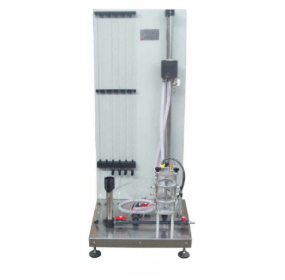
A Geosynthetic Clogging Tester is a piece of testing equipment designed to evaluate the clogging of geosynthetics caused by the long-term seepage of soil particles. By simulating the flow of water and the migration of soil particles at the interface between soil and geosynthetics, the device allows water and soil particles to pass through a specimen. It measures parameters such as seepage flow rate, flow velocity, and hydraulic head changes, thereby assessing the material's hydraulic conductivity, resistance to clogging, and long-term drainage performance.
Working Principle
First, the geosynthetic specimen to be tested is cut to the specified dimensions and installed within a dedicated specimen holder or test chamber. The edges of the specimen are secured using a sealing mechanism to prevent water from leaking around the perimeter, ensuring that all flow must pass through the specimen itself. In accordance with the test requirements, soil particles of a specific type and grain-size distribution are placed on one side of the specimen to replicate the contact conditions between the geosynthetic and the soil found in actual engineering projects. Test water is then introduced into the system, and all piping, valves, and seals are inspected to ensure the entire setup is functioning correctly. Once the test begins, a stable flow of water is supplied to the apparatus, driven by a hydraulic head or pressure differential, forcing water from the soil side through the geosynthetic specimen. As water moves through the soil layer, it carries fine soil particles toward the geosynthetic. Due to the specific pore structure and filtration characteristics of the geosynthetic, water is able to pass through, while some soil particles are trapped or retained by the material. By adjusting the water supply pressure, flow rate, or hydraulic head, various seepage environments corresponding to different engineering conditions can be simulated. As water continues to flow through the soil and the geosynthetic, fine soil particles migrate; over time, the continuous deposition and movement of these particles may lead to the clogging of the material's surface or internal pores, altering its permeability and drainage capacity. Throughout the test, the equipment continuously monitors experimental parameters using flow-measuring devices, pressure sensors, or hydraulic head measurement instruments. Key monitoring parameters include: inflow and outflow rates, used to observe changes in water flow as it passes through the specimen; hydraulic head or pressure differential, used to assess the resistance encountered by water flowing through the specimen; seepage velocity, used to analyze the hydraulic conductivity (permeability) of the geosynthetic material; and test duration, used to observe performance trends under sustained seepage conditions. As soil particles gradually clog the pores of the material, internal flow channels are reduced, typically leading to an increase in flow resistance. Under constant-head conditions, the outflow rate may gradually decrease; under constant-flow conditions, the pressure or hydraulic head differential across the specimen may progressively increase. By analyzing these parameters, one can determine whether clogging has occurred and the extent of such clogging. Upon completion of the test, the data—including flow rates, pressures, hydraulic head differentials, and time—are analyzed to compare the material's hydraulic performance at the beginning and end of the test. If the specimen maintains a relatively stable outflow rate and a low hydraulic head loss after prolonged seepage, it indicates good resistance to clogging. Conversely, a significant decline in outflow rate, or an increasing pressure differential required to maintain a constant flow, suggests that the material has experienced some degree of clogging, resulting in reduced drainage capacity. Furthermore, the specimen can be disassembled to examine the deposition of particles on its surface and within its internal pores, allowing for a more detailed analysis of where and why clogging occurred. These tests reveal how clogging develops in geosynthetic materials under specific soil and flow conditions over time, enabling the evaluation of the material's filtration capacity, hydraulic conductivity, and long-term drainage stability.
Key Advantages
Ability to simulate actual engineering environments: By replicating the interaction between water flow and soil particles, the test reproduces the clogging phenomena that geosynthetics may encounter in applications such as roads, embankments, slopes, and subsurface drainage systems, ensuring that test results closely reflect real-world engineering conditions. Ability to accurately evaluate clogging resistance: By observing the deposition, retention, and migration of soil particles on the material's surface and within its internal pores, the test assesses the geosynthetic's capacity to resist particle-induced clogging. Real-time monitoring of test parameters: The system enables the monitoring of parameters such as water flow rate, pressure, hydraulic head difference, and permeability throughout the testing process, facilitating the analysis of material performance variations across different test stages. Long-term performance assessment: By conducting continuous seepage tests, the system allows for the observation of changes in a material's water permeability over time, enabling the evaluation of its long-term drainage performance and operational stability. Comparable test results: Under identical test conditions, geosynthetics of different types, specifications, or manufacturing processes can be tested and compared, providing a data-driven basis for product performance evaluation. Support for material design optimization: Analyzing the pore structure, filtration performance, and degree of clogging of various materials provides valuable insights for the structural design, raw material selection, and manufacturing process improvement of geotextiles and composite drainage materials.
Summary
The Geosynthetic Clogging Tester is primarily used to evaluate the anti-clogging performance, filtration characteristics, and drainage stability of geosynthetics subjected to the long-term combined effects of water flow and soil particles. By simulating the seepage environments encountered in actual engineering projects, the tester measures changes in material permeability under various conditions, providing a scientific foundation for the research and development, quality inspection, engineering design, and selection of geosynthetic materials.