

What are the features of the Compression Tester G5?
The Compression Tester G5 is a testing instrument designed to evaluate the compressive strength of materials or products. By applying a specific amount of pressure to a test specimen, it measures parameters such as the degree of deformation, maximum load-bearing capacity, and failure point, thereby determining whether the product’s strength and quality meet the required standards.
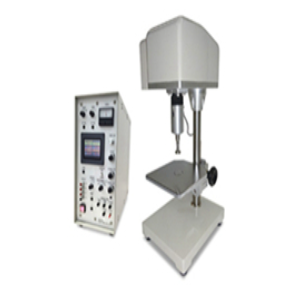
Key Advantages
The device applies pressure to test specimens and records the resulting data, providing clear insight into a product's actual compressive strength. By delivering precise test results, it minimizes errors associated with subjective human judgment, enhances the reliability of findings, and ensures a more objective assessment of product quality. The equipment performs compression tests based on predefined parameters; operators simply position the specimen and initiate the test. Compared to manual pressure testing, using professional equipment reduces operational uncertainty and lessens the workload for personnel. The Compression Tester G5 automates or semi-automates the application of pressure and data acquisition, significantly reducing the time required for manual measurement and recording. This boosts efficiency during batch testing, allowing companies to complete quality inspections more rapidly. The system can display or log various data points—such as applied force, displacement, deformation, and maximum load—enabling staff to analyze how a product behaves under pressure. Comparing performance across different production batches provides a valuable foundation for ongoing quality improvement. Regular compression testing allows companies to promptly identify issues such as insufficient material strength, structural instability, or flaws in the production process, facilitating corrective actions that lower the risk of defects and enhance overall product quality. For items like cartons, packaging materials, and other products subject to external pressure, compressive strength is critical. Compression testing evaluates a product's ability to withstand stress during stacking, transport, and storage, helping businesses select appropriate packaging materials and structural designs to prevent deformation or damage caused by crushing. By testing different materials, products, or production batches under consistent conditions, companies can effectively compare their compressive performance. This supports the establishment of quality standards, enables the monitoring of quality trends throughout the production cycle, and ensures that products comply with specified technical requirements.
Applications
In the packaging materials industry, the Compression Tester G5 is primarily used to evaluate the compressive strength of cartons, corrugated cardboard, boxes, and other packaging materials. Since packaging is often subjected to external pressure during transport, storage, and stacking, it must possess sufficient structural integrity. Compression testing reveals whether packaging materials are prone to deformation, denting, or rupture under load, enabling companies to select appropriate materials and structural designs, enhance the pressure resistance of their packaging, and minimize damage caused by compression during transit. In the electronics manufacturing sector, the device is used to assess the compressive performance of electronic product enclosures, plastic components, internal support structures, and associated packaging materials. Throughout production, packaging, transport, and storage, electronic products may be subjected to varying degrees of external pressure; insufficient structural strength in the casing or internal components can lead to deformation, cracking, or damage. Compression testing allows companies to evaluate the load-bearing capacity of these materials and components, ensuring the structural stability and reliability of the final product. In the plastics and rubber industry, the Compression Tester G5 is employed to test the compression characteristics of plastic parts, rubber gaskets, cushioning materials, and similar products. Given that different materials exhibit varying degrees of hardness, elasticity, and deformation behavior under external pressure, testing helps determine how they perform under load—ensuring they meet specific application requirements—while providing valuable insights for raw material selection, product design, and manufacturing process optimization. In the automotive parts industry, the equipment is used to test plastic and rubber components, cushioning materials, and other automotive parts suitable for such evaluation. As automotive components are frequently subjected to mechanical pressure and external loads during use, they require a specific level of structural strength and stability. Compression testing assesses the degree of deformation and the load-bearing capacity of these materials or parts, assisting manufacturers in refining product designs and improving the quality and reliability of their components. In the paper products industry, the device is used to evaluate the compressive strength of paperboard, paper tubes, paper-based packaging, and various other paper products. The strength of paper-based materials is influenced by factors such as thickness, density, humidity, and manufacturing processes; consequently, different batches of products may exhibit varying load-bearing capacities. Through compression testing, companies can compare the strength performance of different materials, promptly identify quality issues, and adjust production processes based on the test results to enhance the overall quality of paper products. In the field of construction material testing, compression testing is primarily used to evaluate the load-bearing capacity and structural stability of materials subjected to external pressure. For small-scale construction material samples, foam materials, and other related items that fall within the equipment's testing range, compression testing provides insight into how these materials deform or fail under pressure. The test results serve as a valuable reference for material selection and performance evaluation.
Summary
The Compression Tester G5 is primarily used in industrial sectors that require the assessment of the compressive properties of materials and products. This includes applications in packaging materials, electronics, plastics and rubber products, automotive components, paper products, and construction materials, as well as in product quality inspection and R&D laboratories. By conducting compression tests on various materials and products, companies can determine their actual load-bearing capacity, degree of deformation, and structural stability. This enables the timely identification of potential quality issues and provides reliable data to support material selection, product design, the refinement of production processes, and quality management.