

What is the purpose of a dynamic waterproof tester for footwear?
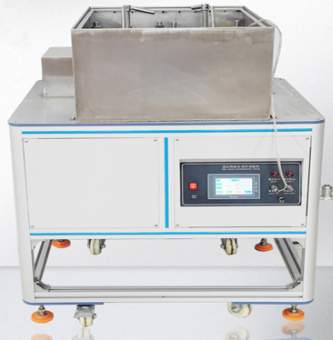
The Footwear Dynamic Waterproof Tester is a laboratory instrument designed to evaluate the waterproof performance of footwear under conditions of dynamic flexing—simulating the stresses experienced during actual walking. It assesses the ability of footwear to effectively prevent water from penetrating the interior through the upper, sole, seams, or other structural junctions during repeated bending, stepping, and movement. This equipment is widely used in the research, development, production, and quality control of various types of footwear, including athletic shoes, hiking boots, outdoor footwear, casual shoes, work boots, and specialized waterproof footwear.
Operating Procedures
Equipment Inspection: Before testing, verify that the power supply, drive system, transmission mechanism, footwear-securing fixtures, and water tank are functioning correctly. Ensure all components are securely installed and that the water tank is free of leaks. Confirm that the size of the footwear sample is compatible with the equipment’s lasts or fixtures. Sample Preparation: Select a complete footwear sample that meets the requirements of the relevant test standard. Inspect the upper, sole, seams, and bonded areas for any visible damage or defects to ensure the sample is suitable for testing. Sample Mounting: Mount the footwear onto the designated lasts or fixtures, ensuring it is held firmly in place to prevent any loosening or shifting during the test. Setting Test Parameters: Configure the test duration, flexing frequency, flexing angle, and other relevant parameters according to the applicable test standards and product specifications. Fill the water tank with the required amount of clean water and adjust the water level to meet the specified test conditions. Initiating the Test: Power on the equipment to begin the test. The drive system initiates continuous, reciprocating motion, simulating the flexing and deformation that occur during human walking, thereby subjecting the footwear to a dynamic waterproof test within the specified aquatic environment. Ensure that the water level, flexing frequency, and test duration remain consistent with the required standards. Monitoring the Test: Throughout the testing process, observe the operation of the equipment and the dynamic behavior of the footwear. Pay close attention to the upper, the junction between the upper and the sole, seams, and other areas prone to water ingress. Conduct periodic inspections as required by the relevant test standards. Test Termination: Once the predetermined test duration or number of flexing cycles is reached, stop the equipment. Remove the footwear sample and wipe away any moisture from its exterior surface to ensure that residual external water does not interfere with the assessment of water ingress into the interior. Inspection of Test Results: Examine the interior of the footwear for water penetration. Observe the condition of the insole, lining, and the interior cavity; record the location and extent of any water ingress, along with the corresponding test duration or number of flexing cycles. Result Analysis: Evaluate the dynamic waterproof performance of the footwear according to the criteria specified in the relevant test standards. Determine whether the product meets its waterproof requirements and document the findings to serve as a basis for quality assessment. Equipment Cleaning and Maintenance: After testing, drain the water from the tank. Clean the equipment surfaces, fixtures, and the water tank. Inspect the drive mechanisms and securing components, then power off the unit, ensuring the equipment is left clean and dry. Promptly inspect the interior of the footwear to prevent residual moisture from affecting the evaluation.
Application Value
This equipment simulates the dynamic movement experienced by footwear during actual use, allowing for the detection of water ingress that may occur when the footwear is subjected to repeated flexing while in contact with water. Compared to static waterproof testing, dynamic testing focuses on the footwear's waterproof capabilities during motion. It can reveal issues that might not be apparent in a static state—such as water penetration at flex points on the upper, poor sealing at the junction between the sole and the upper, or inadequate waterproofing at seams. This testing enables a more comprehensive evaluation of the waterproof reliability of footwear products under real-world usage conditions. During the development of waterproof footwear—including mountaineering boots, hiking boots, and outdoor athletic shoes—this equipment can be used to validate the effectiveness of various structural configurations and waterproof designs. By subjecting different design concepts to dynamic waterproof testing, developers can compare the performance of various waterproof structures under repeated motion. This helps in assessing the viability of waterproof designs, identifying structural areas prone to water ingress, and subsequently optimizing the upper construction, sole-attachment methods, and overall waterproof design to enhance the product's comprehensive protective performance. Furthermore, the equipment can assist in evaluating the waterproof performance of various upper and waterproofing materials—such as natural leather, artificial leather, synthetic materials, coated fabrics, and waterproof-breathable membranes—under dynamic usage conditions. This testing process allows for the comparison of the waterproof stability of various materials under conditions of repeated flexing and sustained stress. It helps determine whether a material is prone to water leakage resulting from bending deformation, surface damage, or structural changes, thereby providing empirical data to support companies in selecting appropriate upper and waterproofing materials. The junction between the sole and the upper is a common site for water leakage in footwear. By simulating the repeated flexing that occurs during walking, this equipment can detect issues such as poor sealing, localized debonding, or water ingress at the interface between the sole and the upper. Testing footwear samples produced using different bonding techniques, adhesives, and manufacturing parameters enables companies to optimize the sole-to-upper attachment process, ultimately enhancing the structural stability and waterproof reliability of the product.
Significance
The primary value of this equipment lies in its ability to scientifically evaluate the waterproof performance of footwear by simulating the dynamic flexing that occurs during actual walking or physical activity. This ensures that the product maintains effective water resistance even when exposed to wet environments and subjected to continuous movement. Through the use of this equipment, companies can proactively identify potential leakage issues, refine material selection and production processes, and improve both the waterproof performance and quality consistency of their products—ultimately delivering more reliable, comfortable, and durable footwear to consumers.