

How to Use the Microbial Barrier Tester?
A Microbial Barrier Tester is a laboratory instrument designed to assess the ability of a material to block the penetration of microorganisms. It is primarily used to evaluate the effectiveness of protective materials in preventing the passage of biological contaminants, such as bacteria and other microorganisms. The core objective is to determine whether a material can successfully prevent microorganisms from traversing its surface, pores, or internal structure to reach the opposite side, thereby gauging its microbial barrier performance.The operating principle of a Microbial Barrier Tester involves simulating the process by which microorganisms might come into contact with and penetrate a protective material during actual use, allowing for an evaluation of the material's microbial barrier capabilities.
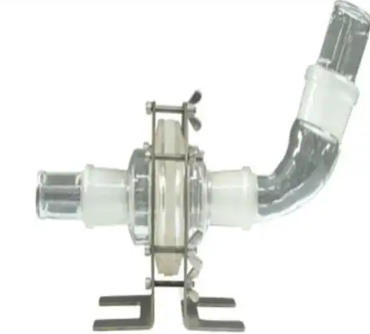
Operating Principle
During testing, the material under evaluation is cut to a specified size and secured within a dedicated test fixture or chamber, creating an effective barrier interface. In accordance with relevant testing standards, a test medium containing a defined concentration of microorganisms is applied to one side of the material, simulating real-world exposure. Under specified conditions—such as defined pressure, duration, or other parameters—microorganisms may migrate through the material, potentially carried by liquids or other vehicles. Once the test is complete, the receiving medium or the area on the opposite side of the material is sampled. Through methods such as culturing or other detection techniques, it is determined whether any microbial penetration has occurred. Finally, based on the extent of penetration, the test results, and established evaluation criteria, the material's microbial barrier performance is assessed. If no microorganisms are detected on the opposite side, the material demonstrates effective microbial barrier performance under the tested conditions; conversely, the detection of microorganisms indicates a deficiency in the material's barrier properties. This testing process is used to evaluate materials such as medical protective clothing, surgical gowns, surgical drapes, and non-woven fabrics, providing essential data for the research and development, material selection, and quality control of medical protective products.
Scope of Application
Microbial Barrier Testers are primarily used to evaluate the resistance of various protective materials to microbial penetration, determining whether they can effectively prevent bacteria and other microorganisms from passing through their structure when exposed to contamination risks. In the medical protective clothing sector, these testers are used to assess the microbial barrier performance of fabrics and composite materials, ensuring they can effectively block the penetration of microorganisms when exposed to blood, body fluids, or other sources of microbial contamination. Testing allows for the assessment of the protective capabilities of fabrics used in medical protective clothing, providing a basis for material selection, product design, and quality control. This helps reduce the risk of microbial contamination for healthcare personnel during medical procedures. In the surgical gown and drape sector, testing is primarily used to evaluate the microbial barrier performance of medical textiles, such as surgical gowns, drapes, and surgical wraps. Since these products must isolate potential sources of contamination—separating patients, medical staff, and the surgical environment—they are subject to stringent requirements regarding their microbial barrier properties. Testing evaluates a material's ability to prevent microbial penetration under specified conditions, serving as a reference for assessing the protective performance and quality of surgical supplies. In the medical mask and respiratory protection sector, testing supports the evaluation of the microbial barrier performance of masks and related filtration materials—specifically, their ability to block microorganisms upon contact. By analyzing microbial penetration, manufacturers can obtain data to guide the R&D, structural optimization, and performance enhancement of mask materials. In the nonwoven fabrics sector, testing is used to assess the microbial barrier performance of materials such as SMS (spunbond-meltblown-spunbond) nonwovens, meltblown fabrics, hydroentangled nonwovens, and other composite nonwoven materials. These materials are widely used in the production of medical protective clothing, surgical gowns, drapes, and various disposable medical supplies. Testing enables the analysis of how fiber structure, pore characteristics, and composite layer configurations influence microbial penetration, thereby informing material development, process improvements, and product optimization. In the disposable medical supplies sector, testing is used to evaluate the microbial barrier performance of materials employed in single-use protective gear and medical consumables—such as disposable isolation gowns, medical protective covers, surgical wraps, and other protective textiles. By measuring microbial penetration under defined test conditions, manufacturers can select appropriate raw materials, verify the stability of production processes, and implement batch-based quality control. In the healthcare and laboratory protection sector, testing is used to assess laboratory protective clothing, isolation materials, and other products requiring microbial barrier properties, evaluating their protective efficacy in environments where exposure to microorganisms may occur. The resulting data can be utilized for research into material performance, the development of protective equipment, and quality assessment of laboratory protective supplies.
Summary
The Microbial Barrier Tester is primarily used in sectors involving medical protective equipment—such as surgical gowns, surgical drapes, medical protective clothing, non-woven fabrics, composite protective materials, and various single-use medical supplies—to assess a material's ability to prevent the penetration of microorganisms. By simulating the contact between microorganisms and a given material, and subsequently checking for microbial penetration on the opposite side, the device evaluates the material's microbial barrier performance. It provides reliable experimental data to support the research and development of protective materials, product performance verification, raw material selection, and quality control during production.