

How does an electronic geosynthetics comprehensive strength testing machine work?
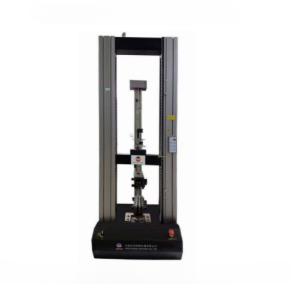
The Electronic Geosynthetics Comprehensive Strength Testing Machine is a specialized piece of laboratory equipment designed to evaluate the mechanical properties of geosynthetics. It functions by applying mechanical loads—such as tension, compression, or other specified forms of stress—to a specimen, thereby measuring its mechanical behavior and deformation characteristics under load. This equipment is primarily used to assess the mechanical performance of geotextiles, geogrids, geomembranes, and other geosynthetic materials, specifically evaluating their load-bearing capacity, tensile strength, and deformation characteristics relevant to their use in actual engineering projects.
Operating Procedure
Before testing, verify that the equipment’s power supply, control system, sensors, grips, and mechanical drive components are functioning correctly. Ensure the equipment is installed securely, with all connections firmly fastened, to guarantee proper operation. Select the appropriate load sensor and testing accessories based on the specific test requirements. Following relevant testing standards and protocols, obtain representative samples of the geosynthetic material and cut them into specimens of the specified dimensions and quantity. Ensure the specimens remain flat and free from creases, damage, or other defects that could compromise test results. If necessary, condition the specimens for temperature and humidity as required by the standards. Select the appropriate testing grips or specialized accessories, and mount the specimen into the upper and lower clamping mechanisms. Adjust the specimen’s position to ensure it remains flat and aligned with the intended direction of force; confirm that it is gripped securely to prevent slippage or premature damage at the clamping points during the test. Power on the equipment and launch the control software. Configure the test parameters—such as testing speed, maximum test load, specimen dimensions, gauge length (clamping distance), displacement range, and data acquisition settings—in accordance with the applicable testing standards and requirements. Ensure the correct test program and parameters are selected for the specific test being performed. Once the specimen is correctly mounted and the parameters are configured, initiate the test. The electronic control system drives the motor and transmission mechanism, causing the movable crosshead to move at a set speed, thereby applying a continuously increasing tensile force or other specified load to the specimen. Throughout the test, the load sensor monitors changes in the force applied to the specimen in real time, while the displacement measurement system simultaneously records the specimen’s deformation and elongation. When the specimen reaches the point of fracture, a specified deformation, or any other termination condition required by the test standard, the equipment will stop automatically or be halted by the operator. During the test, the maximum load, breaking force, elongation at break, and other relevant data are recorded. The specimen is then removed, and its fracture location and failure mode are observed. Test data are retrieved and saved via the equipment’s control software, generating force-displacement or stress-strain curves. Relevant performance indicators are calculated in accordance with test standards, and statistical analysis is performed on the results from multiple specimens to evaluate the material's overall mechanical properties. Upon completion of the test, the equipment is powered down, the grips and any remaining specimen fragments are removed, and the work platform and clamping mechanisms are cleaned. The grips, sensors, and mechanical drive components should be inspected for abnormal wear; keeping the equipment clean ensures it remains in proper condition for subsequent tests.
Importance
Ensuring Engineering Quality and Safety: Geosynthetics are widely used in projects involving highways, railways, water conservancy, dams, tunnels, and environmental protection. Testing the mechanical properties of these materials helps determine whether they meet engineering design and operational requirements, thereby reducing risks associated with insufficient material strength. Evaluating Comprehensive Mechanical Properties: Through tensile, puncture, tear, and other applicable mechanical tests, the performance of materials under various loading conditions can be fully understood, providing a basis for assessing their overall strength and functional performance. Strengthening Product Quality Control: Measuring parameters such as breaking force, elongation at break, and other mechanical indicators allows for the timely identification of issues—such as inadequate strength or performance instability—ensuring that products comply with relevant technical standards. Optimizing Production Processes: By testing and comparing different raw materials, production techniques, and product structures, manufacturers can refine their production technologies to enhance material strength, stability, and overall product quality. Enhancing Scientific Material Selection: Different engineering environments impose varying requirements on the mechanical properties of geosynthetics. Accurate test data provide a reliable reference for engineers to select appropriate materials, ensuring that the material's performance aligns with the specific demands of the project. Facilitating the R&D of New Materials: By studying how various materials behave under conditions such as tension, tearing, bursting, and other forms of mechanical stress, this equipment provides an experimental foundation for the development, structural optimization, and performance enhancement of new geosynthetic materials. Providing Standardized Test Data: Utilizing an electronic measurement and data acquisition system, the equipment records parameters—including load, displacement, and deformation—throughout the testing process. This offers reliable technical support for product quality inspection, third-party testing, scientific research, and engineering project acceptance.
Conclusion
The Electronic Geosynthetics Comprehensive Strength Machine is an essential instrument for testing the mechanical properties and ensuring the quality control of geosynthetic materials. It enables enterprises to gain a comprehensive understanding of their products' mechanical performance, ensuring that materials meet relevant standards and the specific requirements of engineering applications. Furthermore, it enhances the safety, reliability, and durability of geotechnical engineering projects, while providing a scientific basis for product R&D, the refinement of manufacturing processes, and the selection of materials for engineering projects.