

What are the benefits of a geosynthetic creep tester?
A Geosynthetic Creep Tester is a laboratory instrument specifically designed to evaluate the long-term mechanical performance of geosynthetics. It functions by applying a continuous, stable tensile load to a specimen, allowing for the observation of deformations and changes in strength over time and under varying load conditions. This equipment is widely used for quality testing, product research and development, and the assessment of engineering performance for geogrids, geotextiles, geostrips, and other geosynthetic materials.
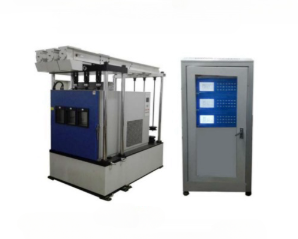
Structural Components
The main frame serves as the primary load-bearing structure of the equipment. Typically constructed from high-strength metal, it offers excellent rigidity, stability, and resistance to deformation. Its primary function is to support the specimen, grips, and loading mechanism, ensuring the overall structural integrity of the equipment throughout the test. The frame must possess sufficient mechanical strength to withstand the sustained tensile forces applied during long-term testing, preventing any equipment deformation that could compromise test results. Depending on the specific design, the frame may feature a single-station or multi-station configuration to accommodate varying numbers of specimens. The specimen gripping system is essential for securing the geosynthetic material, ensuring the test proceeds as intended; it generally consists of upper and lower grips, clamping plates, and connecting components. The loading system, a core component of the equipment, is responsible for applying a continuous and stable tensile load to the specimen. Depending on the design, this may be achieved through methods such as dead-weight loading, lever-arm loading, or electromechanical loading. The loading system must maintain a constant load throughout the test duration to accurately simulate the long-term stress conditions experienced by geosynthetics in actual engineering applications. The load control system is used to set, adjust, and maintain the required load levels. Depending on the equipment configuration, this can be managed via mechanical loading mechanisms, electronic control units, or automated control systems. This system allows for the application of specific forces or load levels, ensuring the specimen remains under the prescribed stress. Some automated systems can also monitor the loading status and provide alerts if any abnormal fluctuations in load occur during the test. The deformation measurement system is a critical component of a creep test, designed to track the elongation of the specimen as it is subjected to a sustained tensile load. The system typically consists of displacement sensors, extensometers, or other length-measuring devices. By continuously monitoring the elongation of a specimen, data on its creep deformation over various time intervals can be obtained. The measurement system must possess sufficient resolution and stability to accurately record minute deformations, providing the foundation for subsequent creep strain calculations and performance analysis. A data acquisition system is responsible for collecting relevant data—such as load, displacement, and time—throughout the test. The electrical control system manages the equipment’s power supply, sensors, actuators, and automatic control units. In highly automated systems, this component facilitates the configuration of test parameters, data acquisition, monitoring of operational status, and the triggering of alarms in the event of anomalies, thereby enhancing ease of operation and the stability of the testing process. The computer and testing software serve as the hub for data management and analysis. The software typically enables the input of test parameters, real-time monitoring of the testing process, automated data recording, the plotting of creep curves, and the generation of test reports. Through this software, users can observe how material elongation evolves over time and analyze creep strain, creep rates, and related mechanical properties. Some software packages also support the comparison of multiple datasets, assisting researchers in their study of material performance.
Key Advantages
The primary advantage of this equipment is its ability to simulate the conditions under which geosynthetics are subjected to sustained tensile forces in real-world engineering applications. In projects such as highways, railways, slope stabilization, retaining walls, and foundation reinforcement, geosynthetic materials are frequently required to endure long-term loading. Creep testing allows for the observation of elongation and deformation over time under sustained stress, enabling an assessment of a material’s long-term performance and providing a reliable basis for engineering design and material selection. The equipment applies a continuous load to a specimen under specified conditions while measuring and recording its deformation. By controlling loading parameters, test duration, and measurement procedures, data on creep deformation at various stages can be captured. Compared to methods relying solely on manual observation or basic tensile testing, this equipment provides more systematic, continuous, and objective results, thereby improving the accuracy and reliability of experimental data. Creep performance is a long-term mechanical property of materials, and significant changes typically only become observable over an extended period. The Geosynthetic Creep Tester enables the application of sustained, long-term loads to specimens under specified test conditions, recording the evolution of the material from the initial application of force through subsequent deformation. This continuous testing capability allows researchers to observe how material performance changes over time, preventing the oversight of long-term deformation risks that might otherwise be missed in short-term tests. Under long-term loading, geosynthetics may not only undergo continuous elongation but also gradually lose their load-bearing capacity, potentially leading to creep rupture. This equipment facilitates the study of material creep behavior under various load levels, enabling the analysis of long-term load-bearing capacity and the likelihood of rupture. Such insights are particularly critical for materials like geogrids, which serve a long-term reinforcement function, and provide a vital reference for safe engineering design.
Summary
The core advantage of the Geosynthetic Creep Tester lies in its ability to overcome the limitations of traditional short-term tensile tests, allowing for an in-depth assessment of the deformation patterns, long-term strength, and creep rupture characteristics of geosynthetics under sustained, long-term loading. It not only assists manufacturers in enhancing product quality and R&D capabilities but also provides research institutions with reliable experimental data. Furthermore, it offers essential technical support for the long-term safe application of geosynthetics in projects such as highways, railways, slope stabilization, retaining walls, and foundation reinforcement.