

What is a Fiber Blend Ratio Tester?
A fiber blend ratio tester is a piece of testing equipment used in the textile industry to determine the blend ratio of different types of fibers within a textile product.
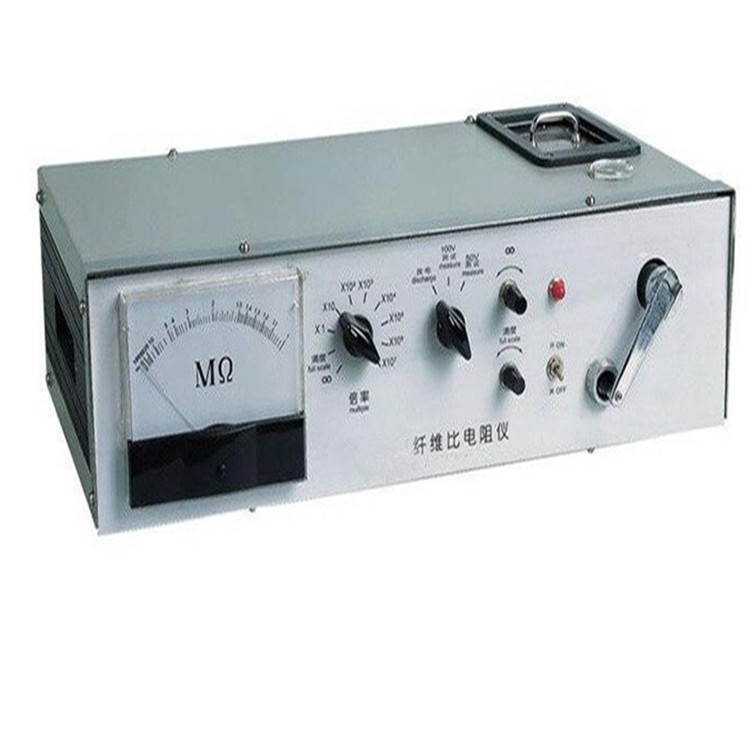
Key Components
The sample preparation unit is designed for the pre-treatment of textile samples, including cutting, fiber dispersion, cleaning, and drying. By standardizing the sample, impurities, oils, and finishing agents—which could otherwise skew test results—are removed, ensuring the sample meets the requirements for subsequent testing. The chemical dissolution unit facilitates the selective dissolution and separation of different fibers. It typically consists of chemical reagent containers, dissolution beakers or reaction vessels, stirring mechanisms, and the necessary piping. By introducing specific chemical reagents, one type of fiber in a blended sample can be dissolved while the others remain intact, allowing for the separation of the different fiber components. The temperature control system regulates the temperature during the chemical dissolution process. It generally comprises a heating element, temperature sensors, a controller, and thermal insulation. Maintaining a precise reaction temperature ensures that the chemical reagents interact with the fibers as required, enhancing the stability and repeatability of the testing process. The filtration and fiber separation unit is used to separate the chemical solution (containing dissolved fibers) from the undissolved fibers. This typically involves the use of filtration funnels, filters, mesh screens, or filtering crucibles. Through filtration, the undissolved fibers are retained, while the solution containing the dissolved fibers is removed, preparing the sample for subsequent cleaning, drying, and weighing. The cleaning unit removes chemical reagents and other impurities remaining on the fiber samples. By washing the filtered fibers multiple times with specified cleaning agents, the impact of residues on the final weight is minimized, ensuring the accuracy of the test data. The drying unit removes moisture and residual solvents from the fiber samples. Typically, an oven or other specified drying equipment is used to bring the processed fibers to the dry state required by testing standards, providing reliable conditions for mass determination. The precision weighing system measures the change in the sample's mass before and after processing. It generally consists of a high-precision electronic balance, weighing containers, and related accessories. By measuring the initial mass of the sample and the mass of the fibers remaining after dissolution and separation, the mass percentage of each fiber type in the blended material can be calculated. The data processing and display system is primarily used to record and process quality data and related parameters obtained during the testing process. Equipment with automation capabilities is typically equipped with controllers, microprocessors, and operation panels or display screens; these can calculate the blend ratios of different fibers based on input sample masses and measurement results, and subsequently display or store the test findings. Safety protection devices are designed to ensure the safe operation of the equipment and the safety of operators; these generally include protective enclosures, corrosion-resistant components, exhaust or ventilation systems, over-temperature protection, and electrical safety safeguards. Given that chemical dissolution testing may involve the use of acids, bases, or other chemical reagents, appropriate anti-corrosion measures and safety protections are essential.
Working Principles
Currently, the detection of fiber blend ratios primarily employs chemical dissolution, microscopic analysis, and spectroscopic analysis. Among these, chemical dissolution is a common method used in textile laboratories.
Chemical dissolution relies on the fact that different fibers possess distinct chemical compositions and properties. By selecting appropriate chemical reagents, specific fibers within a blend can be selectively dissolved, while the remaining, undissolved fibers stay intact, thereby achieving the separation of the various fiber components. During testing, a representative sample is first taken from the textile product and subjected to pretreatment to remove surface substances—such as oils, sizing agents, finishing agents, or other impurities—that could interfere with the results. The sample is then dried in a drying apparatus and weighed under specified conditions to determine its initial dry mass. By comparing this initial mass with the mass of the fibers remaining after the dissolution process, the mass of both the dissolved and undissolved components—as well as their respective percentage content in the original sample—can be calculated.
Microscopic analysis identifies fiber types and their composition ratios by examining differences in their external morphology and cross-sectional structure. Since various textile fibers exhibit unique morphological characteristics, the process begins by extracting a number of fibers from the sample, which are then dispersed and prepared on slides to ensure clear observation under a microscope. Using an optical microscope, the fibers are examined at high magnification; their identity is determined based on features such as longitudinal morphology, cross-sectional shape, surface structure, and other microscopic characteristics.
Spectroscopic analysis leverages the fact that different fibers have distinct molecular structures and chemical compositions. By analyzing how fibers absorb, reflect, or transmit light at specific wavelengths, it is possible to identify fiber components and determine their proportions. Because different fiber materials possess unique molecular structures, they produce distinct spectral responses when exposed to infrared or near-infrared light. This method offers advantages such as rapid testing speed and minimal sample loss; however, its accuracy can be influenced by factors including sample color, dyes, finishing agents, the uniformity of the fiber blend, and the calibration model used.
Summary
The Fiber Blend Ratio Tester is primarily used for the qualitative identification and quantitative analysis of various fiber components in textile materials. It enables the precise determination of blend ratios for different fibers, providing a reliable data basis for the inspection of textile raw materials, production quality control, fabric composition analysis, and textile quality certification. The actual testing capability depends on the detection principle employed by the instrument and the specific types of fibers it is designed to analyze.