

Why is a yellowing resistance test chamber so effective?
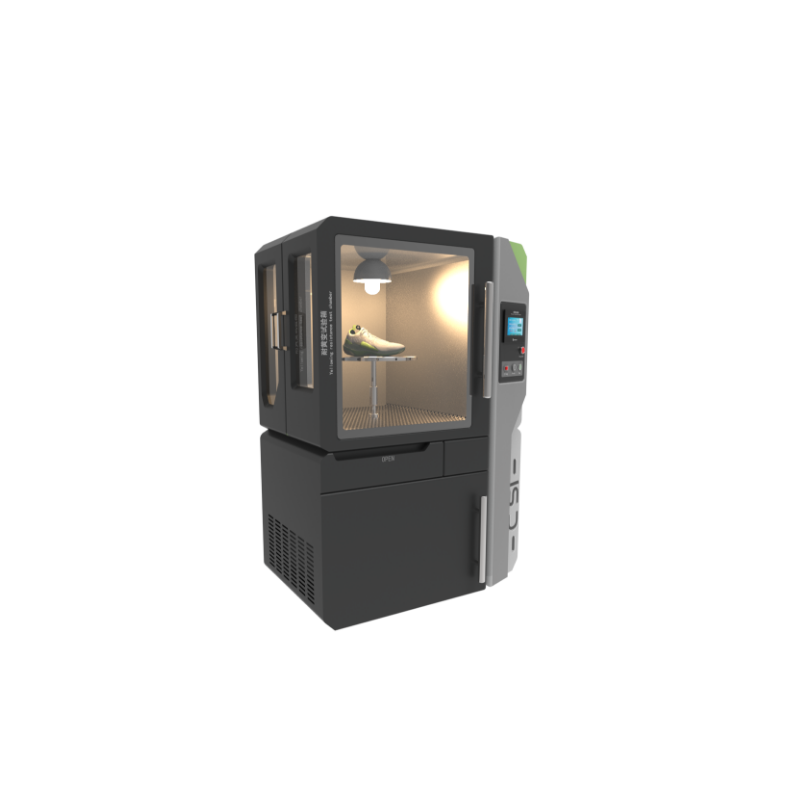
A yellowing resistance test chamber is a specialized environmental testing instrument designed to evaluate a material's resistance to yellowing. It assesses the extent to which a material undergoes color changes when exposed to heat, light, or specific environmental conditions. By simulating the high temperatures, light exposure, and other environmental factors that a material might encounter during storage, transportation, or actual use, the chamber subjects test specimens to accelerated aging, allowing for the observation of phenomena such as yellowing, discoloration, fading, or surface degradation.
Working Principle
The yellowing resistance test chamber functions by simulating the aging process of materials under high temperatures, light exposure, or other specific conditions, thereby accelerating changes in the material's internal chemical structure and surface color. During operation, the test specimen is placed on a sample rack inside the chamber, and parameters such as temperature and test duration are configured according to specific requirements. Once activated, the heating or lighting systems create a stable, controlled test environment. As the material is subjected to heat or light, its internal chemical components may undergo oxidation, decomposition, or other aging reactions, leading to visible yellowing, discoloration, or fading on the surface. Upon completion of the set test duration, the equipment stops, and the specimen is removed. Its resistance to yellowing is then evaluated by observing color changes—either visually or through the use of color-measurement instruments—to compare the color before and after the test. The process involves: placing the material into the chamber and securing it; configuring the test temperature, duration, and lighting conditions; simulating the aging environment via heating or lighting systems; inducing accelerated aging to observe color changes; and finally, assessing the results by comparing the specimen's color before and after the test.
Importance
Ensuring product appearance quality: The chamber detects a material's susceptibility to yellowing or discoloration, helping to maintain the product's original appearance and color. Evaluating aging resistance: By simulating aging environments, it determines a material's ability to resist yellowing under specific conditions. Improving product quality: It enables the early identification of material defects, preventing substandard products from reaching the market. Optimize material selection by helping companies compare the yellowing resistance of various materials and formulations, enabling the choice of more suitable raw materials. Improve production processes by providing test-based insights for adjusting material formulations, refining manufacturing techniques, and facilitating product R&D. Reduce economic losses by minimizing product returns, rework, and after-sales issues caused by yellowing or discoloration. Enhance market competitiveness by ensuring consistent product appearance and higher customer satisfaction, thereby strengthening brand image. Prevent product yellowing by proactively testing materials for susceptibility to yellowing, lowering the risk that color changes might compromise a product's visual quality. Ensure product quality through standardized testing to verify whether a material’s yellowing resistance meets established quality requirements. Screen for high-quality raw materials by comparing the yellowing resistance of different options to select those with superior color stability. Improve product durability by evaluating how materials age in specific environments, helping companies ensure that products retain their intended appearance over time. Mitigate economic losses by identifying potential quality issues early, thereby reducing costs associated with rework, returns, and after-sales support. Meet testing requirements by conducting yellowing resistance evaluations in accordance with applicable product standards, providing data to support quality acceptance.
Industry Applications
In the footwear industry, it is used to test the yellowing resistance of shoe soles, uppers, laces, foam materials, and rubber components. In the plastics industry, it assesses the color stability of plastic housings, accessories, and transparent plastic products under specific environmental conditions. The rubber industry utilizes it to evaluate the yellowing and aging resistance of rubber soles, seals, and other rubber products. In the textile and apparel sector, it tests the resistance to yellowing in white fabrics, fibers, garment accessories, and textile materials. The furniture industry employs it to evaluate the color stability of surface materials, leather, foam, and decorative components. In the automotive parts sector, it is used to monitor color changes in interior plastic components, rubber parts, and other materials. The packaging industry uses it to test the color stability of plastic packaging, films, and related materials. In the electronics and electrical appliance industry, it assesses the yellowing resistance of device housings, insulating materials, and plastic components. The leather goods industry uses it to evaluate color changes in natural, artificial, and synthetic leather. Quality inspection and scientific research institutions utilize it for material performance testing, product quality verification, and the development of new materials.
Summary
The yellowing resistance test chamber is an essential piece of testing equipment for material quality control and product R&D. By simulating aging processes under specific environmental conditions, it enables the proactive assessment of yellowing risks. This helps companies improve product color stability, optimize production processes, reduce quality-related costs, and enhance the market competitiveness of their products.