

What is a fabric anti-electromagnetic radiation performance tester?
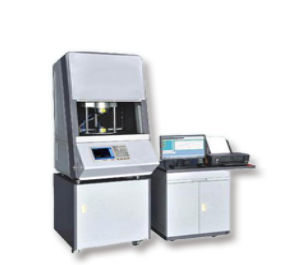
A Fabric Anti-Electromagnetic Radiation Performance Tester is a specialized instrument designed to evaluate the electromagnetic shielding and protective capabilities of textiles and functional fabrics. By subjecting a fabric sample to electromagnetic waves at specific frequencies, the instrument measures the change in signal intensity before and after the waves pass through the material. It then calculates the electromagnetic shielding effectiveness, thereby assessing the fabric's capacity to block, reflect, or absorb electromagnetic radiation.
Key Testing Parameters
Electromagnetic Shielding Effectiveness: Measures a fabric's ability to shield against electromagnetic waves and evaluates how effectively the material blocks the propagation of these waves; typically expressed in decibels (dB). Electromagnetic Wave Transmittance: Measures the proportion of electromagnetic wave energy that passes through the fabric, indicating the extent to which the material allows electromagnetic waves to penetrate. Electromagnetic Wave Reflectance: Determines the fabric's ability to reflect incident electromagnetic waves, assessing the material's reflective performance. Electromagnetic Wave Absorptance: Measures the proportion of electromagnetic wave energy absorbed by the fabric, evaluating the material's absorption capacity. Shielding Effectiveness Frequency Characteristics: Tests the shielding effectiveness of a fabric across various electromagnetic wave frequencies to analyze its frequency response. Electric Field Shielding Performance: Evaluates the fabric's ability to block the propagation of electric fields. Magnetic Field Shielding Performance: Assesses the fabric's ability to shield against the propagation of magnetic fields (dependent on the test frequency and instrument configuration). Electromagnetic Shielding Stability: Evaluates the stability of the fabric's performance by comparing its shielding effectiveness under different test conditions or before and after specific treatments.
Importance
Evaluating electromagnetic shielding performance allows for the accurate measurement of a fabric’s shielding effectiveness against electromagnetic waves, determining whether the material possesses the intended level of electromagnetic protection. It ensures product quality by verifying that fabrics meet relevant technical requirements and quality standards, thereby enhancing the consistency of product quality. It facilitates the R&D of functional textiles by providing reliable test data for the development of conductive fibers, metal fibers, conductive coatings, and composite functional fabrics. It helps optimize production processes by comparing test results across different fiber materials, fabric structures, conductive treatments, and finishing techniques, enabling manufacturers to improve production methods and enhance electromagnetic shielding efficacy. It supports product performance evaluation by providing a scientific basis for assessing electromagnetic shielding garments, protective fabrics, materials for shielding electronic equipment, and other functional textiles. It boosts market competitiveness by using professional testing to verify electromagnetic shielding performance, offering data support for quality certification, marketing, and customer acceptance. It drives industry-wide technological advancement by providing testing methods for the integration of textile materials with electromagnetic protection technologies, fostering the development and application of new functional textile materials. Furthermore, it assists in product safety assessments by providing a basis for verifying the performance of protective textiles, helping to determine whether they meet specified electromagnetic shielding technical requirements.
Scope of Application
In the functional textile industry, it is used to assess the electromagnetic shielding performance of materials such as fabrics made from conductive fibers, metal fibers, or conductive composites. In the apparel industry, it is applied to test the shielding effectiveness of electromagnetic-shielding garments, protective clothing, functional apparel, and fabrics designed for specialized uses. In the industrial textiles sector, it is used to evaluate industrial protective fabrics, materials for shielding electronic equipment, and other industrial textiles that require electromagnetic shielding capabilities. In the electronics and communications sector, it is employed to assess the shielding performance of textile materials used in electronic devices, communication equipment, and electromagnetic compatibility (EMC) protection. In the field of textile material R&D, it is used to study how various conductive fibers, metal coatings, fabric weaves, and composite materials influence electromagnetic shielding effectiveness. In research institutions and testing laboratories, it is used for conducting performance research, experimental testing, and data analysis on electromagnetic shielding materials, as well as for the development of novel functional textiles. In the field of quality inspection and certification, it serves textile manufacturers, third-party testing agencies, and quality supervision authorities in performing product performance testing and quality evaluation. In the sector of specialized protective materials, it is used to test flexible materials designed for electromagnetic shielding, such as those for tents, protective covers, and other specific applications.
By measuring the electromagnetic shielding effectiveness of fabrics, this testing process enables an accurate assessment of a material's electromagnetic protective performance, ensuring that products meet established quality requirements. It provides reliable data for the R&D of conductive fibers, metal fibers, conductive coatings, and composite functional fabrics, thereby driving the development of new electromagnetic shielding materials. By analyzing how different fiber compositions, fabric structures, and processing techniques influence electromagnetic shielding performance, it helps enterprises refine production workflows and enhance material properties. Furthermore, it facilitates the early detection of performance deficiencies, helping to minimize the production of substandard goods and reduce both rework and material waste. Through professional instrument-based testing and data validation, it elevates the technical sophistication and market acceptance of products, strengthening a company’s competitive edge. It ensures the reliability of product performance, providing an objective basis for evaluating electromagnetic shielding apparel, protective fabrics, and materials used for shielding electronic equipment, while enhancing the consistency and reliability of product quality. It offers scientific testing methodologies for research institutions, testing bodies, and material R&D laboratories, fostering the integrated development of electromagnetic shielding technology and textile material science. Additionally, it provides essential data for raw material inspection, production process monitoring, and final product quality acceptance, supporting the establishment of robust quality management systems.
Significance
The Fabric Anti-Electromagnetic Radiation Performance Tester is widely used in the R&D and quality inspection of conductive fiber fabrics, metal-fiber textiles, electromagnetic shielding apparel, and other functional textile materials. By providing an objective evaluation of a fabric's electromagnetic shielding capabilities, it serves as a scientific foundation for product quality control, production process optimization, material R&D, and performance verification—playing a vital role in improving the quality and market competitiveness of electromagnetic-protective textiles.