

What are the benefits of the Luminous Afterglow Performance Tester?
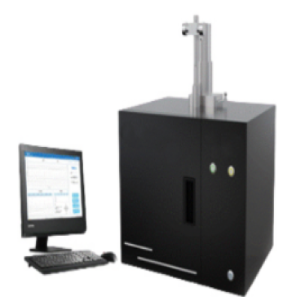
The Luminous Afterglow Performance Tester is a specialized laboratory instrument designed to evaluate the performance of luminous materials, phosphorescent materials, and luminescent textiles. It primarily measures how long a material continues to emit light after the excitation light source is turned off, as well as how its brightness decays over time. Key testing parameters include initial brightness, afterglow brightness, afterglow duration, and the brightness decay curve.
Operating Instructions
Preparation for Startup: Connect the instrument to a power source, switch it on, and allow it to warm up according to the manufacturer’s manual to ensure it is in proper working order. Sample Preparation: Cut the luminous fabric, yarn, fiber, or other luminescent material to be tested into the specified dimensions, ensuring the surface is flat, clean, and free of creases. Sample Placement: Open the test chamber, position the sample, and orient it so that the surface to be tested faces the measurement probe; secure the sample in place. Parameter Setting: Configure parameters—such as the excitation light source, irradiation intensity, irradiation duration, test duration, and data recording interval—based on the relevant test standards and the type of sample. Excitation: Activate the light source to irradiate the sample, allowing it to fully absorb light energy and reach the required excitation state.
Initiating the Test: Once the specified excitation conditions are met, turn off the excitation light source and simultaneously start the timer and the brightness measurement system to begin recording the sample’s afterglow brightness. Data Recording: The instrument will automatically record the sample’s luminescence brightness at the pre-set time intervals, tracking how the brightness changes over time. Test Conclusion: When the sample’s afterglow brightness reaches the defined termination criteria, stop the measurement and save the test data. Result Analysis: Generate an afterglow decay curve from the test data to analyze the initial afterglow brightness, brightness levels at various time points, and the total duration of the afterglow. Cleanup and Shutdown: Remove the test sample, clean the test chamber and sample holder, power off the instrument, and organize and archive the test records. Throughout the testing process, ensure that the setup is shielded from external light interference, maintain consistent sample placement, ensure the stability of the excitation light source, and verify that the testing environment complies with the relevant standards. Specific test parameters should be configured in accordance with the instrument’s instruction manual and the applicable testing standards.
Instrument Structure
The instrument primarily consists of a main housing, a light-shielded test chamber, an excitation light source, sample holders, a luminance sensor, an illuminance meter, an electrical control system, an automatic sample-switching mechanism, and a computer-based data processing system.
The main housing serves as the primary structure of the instrument; it features a metal enclosure designed to house and protect the internal optical, electrical, and control components. Located within the instrument, the light-shielded test chamber accommodates the samples to be tested. Its enclosed, light-tight design minimizes interference from external ambient light. The excitation light source illuminates the sample, allowing the luminescent material to absorb light energy and reach a specified excitation state—typically achieved using a fluorescent light source that meets relevant testing standards. Sample holders are used to secure fibers, yarns, fabrics, or powder samples, ensuring they remain in a stable position throughout the testing process. A luminance sensor detects the afterglow brightness of the sample once the excitation light is removed, transmitting the measurement signals to the data processing system. An illuminance meter measures the intensity of the light incident upon the sample, ensuring that the illumination conditions comply with the required testing standards. The automatic sample-switching mechanism facilitates the sequential testing of multiple samples, thereby enhancing testing efficiency; some models support the simultaneous loading of up to three sets of samples. The electrical control system manages the excitation light source, sensors, timing system, and sample-switching mechanism, ensuring the proper operation of the instrument. A computer equipped with specialized testing software is used to configure test parameters, acquire luminance data, record afterglow duration, generate luminance decay curves, and produce test reports. A power supply system provides stable electrical power to the instrument's various functional components.
Features
The instrument utilizes an automated control system to manage the entire testing process, including sample excitation via light exposure, measurement of afterglow brightness, data acquisition, and overall test execution. It is equipped with a high-sensitivity brightness sensor capable of accurately detecting changes in a sample’s afterglow brightness once the light source is removed. A fully enclosed, light-shielded testing chamber minimizes external light interference, ensuring the stability and reliability of the test results. A dedicated excitation light source allows for precise control over illumination conditions in accordance with testing standards, ensuring consistency during the sample excitation phase. The system can record the sample’s afterglow brightness at user-defined intervals, enabling real-time monitoring of brightness decay. It also tracks the duration of the afterglow following the cessation of light exposure, facilitating the analysis of a material’s persistent luminescence performance.
Professional testing software is included, which can generate afterglow brightness decay curves—a valuable tool for analyzing and comparing the luminescent properties of different samples. Featuring computer-based control or a digital user interface, the instrument offers straightforward parameter setup and intuitive operation. It is suitable for testing the afterglow performance of luminous fibers, yarns, fabrics, energy-storing materials, and other photoluminescent substances. The system supports data recording, storage, and report generation, streamlining laboratory quality control and product performance evaluation.
Summary
The Luminous Afterglow Performance Tester is characterized by a high degree of automation, superior measurement sensitivity, excellent light-shielding capabilities, stable testing processes, and convenient data analysis. It is an ideal solution for testing and evaluating the afterglow performance of luminescent materials and luminous textiles.