

How to use a fabric horizontal burning tester?
A Fabric horizontal burning tester is an instrument used to evaluate the combustion characteristics and flame-retardant properties of materials in a horizontal orientation. The device functions by securing a specimen of specified dimensions into a test fixture in a horizontal position, subjecting it to a flame under controlled conditions, and measuring parameters such as combustion duration, flame spread distance, and burning rate to assess the material's horizontal burning performance.
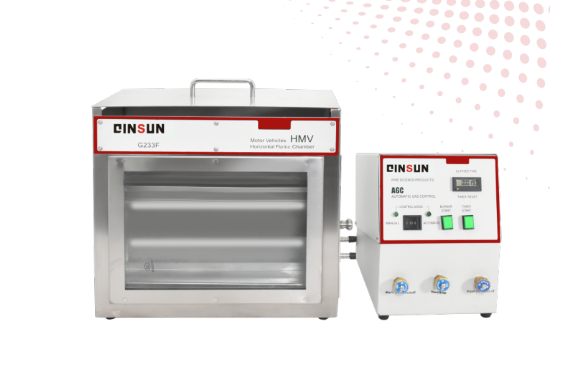
Test Parameters
Combustion duration refers to the time elapsed from a defined starting point to a specified end point while the specimen is burning under prescribed test conditions. Measuring this duration provides insight into how long a material continues to burn when exposed to a flame, allowing for an assessment of its combustion characteristics. Flame spread distance refers to the distance the flame travels along the surface of the specimen, typically determined by reference marks or designated measurement points on the specimen. This parameter reflects the extent of flame propagation across the material in a horizontal direction and serves as a key indicator for evaluating its combustion performance. Burning rate is a critical measurement in horizontal burning tests, generally calculated based on the observed flame spread distance and the corresponding time. A lower burning rate typically indicates a slower propagation of the flame across the material's surface; however, whether the material meets specific requirements depends on the criteria set forth by the applicable test standard.
Self-extinguishing performance refers to a material's ability to cease burning on its own once the external ignition source is removed. During the test, the state of the specimen is observed after the flame is withdrawn, and the relevant combustion duration and phenomena are recorded in accordance with the applicable standards. This assessment helps determine the material's capacity to control combustion after the external ignition source is no longer present. General combustion behavior involves observing the overall performance of the material throughout the test, including: whether the flame continues to spread across the surface; whether the specimen melts or shrinks; whether flaming droplets are produced; whether significant smoke or other combustion phenomena occur; and whether the material continues to burn after the ignition source is removed. These observations provide manufacturers with a clear understanding of how a material performs in practice when exposed to fire. Certain horizontal burning test standards use the burning rate, combustion duration, flame spread distance, and other specified criteria to classify materials or determine their compliance with requirements.
Operating Principle
First, prepare a specimen of the specified dimensions in accordance with the applicable test standard and mount it horizontally in the test fixture, ensuring its position and orientation meet the test requirements. Some test methods also require marking specific reference lines on the specimen to accurately record the flame spread distance. Adjust the burner to the designated position and apply a flame to the specified area of the specimen. Parameters such as flame height, application duration, burner position, and other test conditions must be set according to the applicable standard to ensure consistency and repeatability throughout the testing process.
When the flame reaches a designated reference point, record the corresponding combustion time and flame spread distance. In practice, the starting point for timing, the measurement interval, and the calculation method must all adhere to the applicable standard. Finally, evaluate the material's horizontal burning performance based on the combustion time, flame spread distance, burning rate, and the observed burning behavior of the specimen.
Fields of Application
Horizontal burning testers are widely used to evaluate the flame-retardant properties of plastic materials, including engineering plastics, thermoplastics, and various other plastic products—such as plastic sheets and films, plastic housings and structural components, engineering plastic parts, and plastic components for electrical appliances. These tests assess how plastic materials behave when exposed to an ignition source and how flames spread across them.
Vehicle interiors contain a significant amount of plastic, foam, and textile materials, the combustion characteristics of which are closely linked to vehicle safety. This includes automotive seating and interior trim, plastic components for dashboards, carpeting and floor coverings, door panels, interior decorative trim, and other non-metallic materials used within the vehicle. Horizontal burning tests are used to evaluate the combustion properties of these interior materials, providing essential data for material selection and quality control in the automotive industry.
In electronic and electrical products, plastic housings, insulating components, and other non-metallic parts may be exposed to electrical faults or external heat sources; therefore, their combustion performance is a critical concern. This applies to appliance housings, plastic components for electronic devices, electrical insulation materials, non-metallic parts within electrical equipment, and plastic components for household appliances. Horizontal burning tests help manufacturers assess the combustion behavior of these materials, supporting both safe product design and quality inspection.
The insulation layers and sheathing materials used in wires and cables also typically require evaluation for their combustion performance. Primary applications: cable insulation materials; outer sheath materials for wires; plastic insulating components; and non-metallic materials used in cables. It should be noted that the horizontal flammability tester is primarily intended for testing materials that meet specific specimen requirements; it cannot serve as a substitute for vertical flammability tests, bunched-cable combustion tests, or other prescribed fire tests specifically designed for wires and cables.
Summary
Horizontal burning testers are widely used to evaluate the flame-retardant properties of plastics, automotive interior materials, insulation for wires and cables, textiles, and other non-metallic materials. These tests assess how materials behave when exposed to an ignition source, providing valuable data for material research and development, product quality control, and safety performance evaluation.