

Why Choose a Respirator Fit Tester?
A respirator fit tester is a specialized device used to evaluate the seal between a piece of respiratory protective equipment (RPE) and the wearer's face. Through quantitative or qualitative testing methods, it assesses whether air might enter the breathing zone—the space around the nose and mouth—through gaps between the mask and the face, thereby determining the suitability of the RPE for the individual.
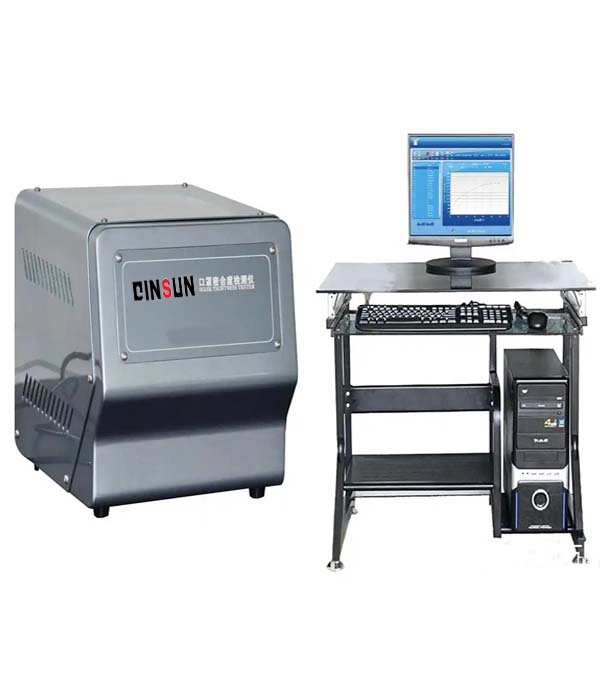
Key Features
These devices are widely used in fields such as occupational health and safety, medical protection, industrial manufacturing, laboratory research, and quality assessment of respiratory protective equipment. Utilizing professional sensors and detection technologies, they measure particle concentrations (or other relevant parameters) both inside and outside the mask to evaluate the quality of the seal, ensuring reliable test results. By calculating the "fit factor"—the ratio of particle concentrations outside versus inside the mask—the device provides a quantitative assessment of the seal, offering objective data to determine whether the equipment fits the user correctly.
Many units feature automated testing protocols that guide the user through a series of prescribed movements, collecting and analyzing data at each stage; this minimizes manual intervention and enhances testing efficiency. The devices provide real-time data acquisition and display—including particle concentrations, fit factors, and current test status—allowing operators to monitor results as they occur. During quantitative fit testing, users can perform specific movements as required by applicable standards, which helps assess how well the respirator maintains its seal while the wearer is engaged in various physical activities. Some models include data management software that stores test records, analyzes results, and generates reports, enabling organizations to maintain comprehensive fit-testing files for their employees. Typically equipped with digital displays, control buttons, or computer-based software interfaces, these devices are user-friendly for configuring test parameters, executing procedures, and reviewing outcomes—making them ideal for occupational health testing agencies and corporate safety management departments.
Importance
With the growing awareness of occupational health and safety, respiratory protective equipment (RPE) plays a vital role in sectors such as healthcare, pharmaceuticals, chemicals, construction, manufacturing, and other high-risk work environments. However, even when using a respirator that meets relevant standards, a poor fit between the facepiece and the wearer’s face can lead to air leakage, thereby compromising the actual level of protection. The effectiveness of a respirator depends not only on the performance of its filter material but also, crucially, on the quality of the seal between the facepiece and the wearer’s face. Fit testing helps identify potential gaps between the facepiece and the face, ensuring that the respiratory protective equipment fits correctly.
In work environments where dust, fumes, aerosols, or other airborne contaminants are present, an inadequate seal can allow these substances to enter the wearer’s breathing zone through gaps. Fit testing helps detect potential leaks, thereby reducing the risk of occupational exposure. Since facial shapes and sizes vary from person to person, a single model of respirator will not necessarily fit every user. Through fit testing, organizations can evaluate how different models and sizes perform for individual employees, enabling the selection of the most appropriate protective equipment. In many workplaces that require the use of tight-fitting respirators, fit testing is an essential component of a respiratory protection program. The use of specialized testing equipment enables organizations to conduct tests and manage their programs in compliance with applicable occupational health and safety regulations and standards. By undergoing fit testing—whether on a regular basis or as required by specific circumstances—employees gain a clearer understanding of how their respirator performs, learn the correct way to wear it, and enhance their personal protective awareness and commitment to safe operating practices.
Procedure
Before beginning the test, ensure that the equipment, testing environment, and test subject are properly prepared. Check the equipment’s power supply, connecting tubing, and sampling ports to ensure they are functioning correctly. Verify that the testing device has undergone all necessary calibration and functional checks. Prepare the appropriate respirator and testing accessories as required by the equipment specifications. Ensure the test subject has selected a respirator of the correct model and size. The subject must wear the respirator properly, adjusting the head straps and nose clip as required.
Following the equipment manufacturer’s instructions, connect the respirator to the testing device and attach the sampling tube to the internal sampling port of the respirator. Ensure that any external sampling lines or ambient particulate sampling ports are correctly connected. Inspect all connection points to ensure there are no loose tubes or air leaks. Power on the device and wait for the system to complete its initialization. For devices that utilize ambient aerosol-based quantitative fit testing, it is typically necessary to measure particulate concentrations both inside and outside the respirator. Configure the relevant parameters via the device’s control interface or the associated software, in accordance with the testing requirements. Initiate the test protocol, during which the subject performs a series of prescribed movements to evaluate the respirator’s fit under various conditions.
Once the test is complete, the device calculates or determines the respirator’s fit based on the collected data. Quantitative fit testing generally calculates a "fit factor"—a higher fit factor typically indicates a better seal. However, whether the respirator passes the test depends on the specific pass/fail thresholds defined by the respirator type, applicable regulations, and relevant testing standards. Results can be viewed via the device’s display or the associated software. After testing, perform cleaning and maintenance in accordance with the manufacturer’s instructions.
Significance
Fit testing evaluates how well a respirator conforms to the wearer’s face. It helps identify potential air leaks, thereby reducing the risk of hazardous particles entering the respiratory tract through the edges of the respirator.