

How to Use a Carbon Black Dispersion Tester
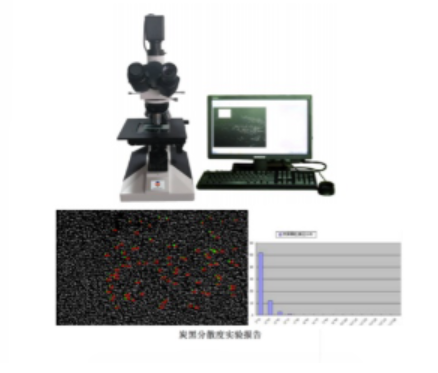
A carbon black dispersion tester is a specialized instrument that employs optical microscopy and digital image analysis to quantitatively evaluate the dispersion state of carbon black within a polymer matrix. It measures the size and morphological parameters of carbon black agglomerates and automatically determines a dispersion grade based on relevant standards. This equipment is widely used for raw material inspection and process control in industries such as rubber, plastics, inks, and coatings.
Usage Precautions
The sample surface must be flat and clean, free from scratches, dust, or oil stains that could interfere with imaging; it is recommended to use specialized cutting tools to expose a fresh cross-section. Before each test, perform white balance and grayscale calibration, and verify the equipment's status using a standard reference block to ensure consistent testing conditions across different batches. Keep the instrument clean during daily use, and periodically inspect components such as the optical system, light source, and camera.
Basic Operational Procedure
Use a blade to obtain a thin, flat cross-section from the surface of the pipe material. Soften the cross-section using a thermostatic chamber, capture images via a microscope, and then determine a rating by comparing these images against standard references. The entire process utilizes microscopic image analysis to calculate the size, quantity, and distribution of carbon black agglomerates, automatically generating a classification or rating.
Extended Knowledge
Carbon black dispersion is closely linked to a material's mechanical properties, antistatic performance, and weather resistance. Good dispersion enhances a material's strength, toughness, and antistatic capabilities. Conversely, poor or uneven dispersion can lead to reduced strength, cracking, inconsistent electrical conductivity, and diminished weather resistance—potentially even creating safety hazards. Consequently, carbon black dispersion data has become a critical metric for the acceptance of compounding and milling processes, serving as a reliable quality safeguard for companies during both raw material inspection and finished product control.
Key Advantages
High-precision image analysis: Equipped with a 5-megapixel camera and a professional-grade microscope, the system supports advanced image resolution and processing capabilities. It offers both automated and manual analysis modes—featuring automatic segmentation with options for manual correction—to accommodate samples of varying complexity. Data visualization: The system generates grayscale images, particle size distribution charts, and more, enabling an intuitive assessment of carbon black dispersion. Flexible output: Reports can be exported as images or PDF files, facilitating easy archiving and sharing. High compatibility: The system is compatible with a wide range of mainstream operating systems and image-capture hardware, ensuring ease of use.
Application Value
The carbon black dispersion analyzer is used not only for incoming raw material inspection but also extensively in new product R&D, process validation, and quality traceability. Optimal carbon black dispersion ensures more stable mechanical properties, superior aging resistance, and greater product consistency—factors that are particularly critical for applications such as plastic piping, cable sheathing, and automotive interior components.In the plastics industry—particularly concerning polyolefin pipes, fittings, and compounds—the degree of carbon black dispersion is a critical factor determining the mechanical properties, antistatic performance, and long-term durability of the final products. Consequently, conducting scientific and precise assessments of carbon black dispersion in accordance with international standards has become a core component of both quality control and new product development. Currently, the market is served by several key suppliers, including companies such as Hengmei, Youyunpu, Lainde, Huode, and Laiyin. Industry data and market feedback indicate a fragmented competitive landscape with no single dominant player; instead, various brands have carved out their own niches by focusing on specific geographic regions, distribution channels, or specialized application areas. Given this market structure, users should prioritize the technical sophistication and practical functionality of the instruments themselves when making their selection.
Key Application Industries
Plastic Pipes and Fittings: Used for quality control of polyolefin-based water supply and gas pipes, ensuring uniform carbon black distribution to provide long-term pressure resistance and aging resistance.Cable and Optical Fiber Materials: Applied to cable insulation layers and sheathing materials to prevent localized electric field distortion or degradation of mechanical properties caused by carbon black agglomeration. Automotive Parts and Interiors: Used to test modified plastics, exterior trim components, and sealing strips for automotive applications, ensuring consistent blackness, weather resistance, and product uniformity. Carbon Black Masterbatch Manufacturing: Utilized for process validation, formulation development, and final quality inspection of carbon black masterbatches (pre-dispersed concentrates). Rubber and Polymer Composites: Employed to evaluate the degree of deagglomeration and dispersion of carbon black within rubber tires, seals, and other elastomeric materials.
Conclude
The value of an excellent carbon black dispersion analyzer lies in its ability to transform a microscopic and elusive dispersion state into an objective, traceable, and multidimensional data report. Such an instrument serves not only as an "arbiter" for quality control but also as a "compass" for process improvement, research, and innovation. By adopting a detection system that integrates high-precision hardware with intelligent software, plastics manufacturers can effectively enhance product consistency and performance, optimize production workflows, and ultimately drive technological advancement—both for the individual enterprise and the industry as a whole. When making a selection, looking beyond mere brand names to delve into the underlying technology and functional specifics is the key to making an informed decision.