

How should an Oxidation Induction Phase Analysis Tester be used?
Oxidation Induction Phase Analysis Tester is a laboratory instrument used to determine the oxidation resistance of materials. It is primarily applied in testing the oxidative stability of polymer materials, plastics, rubber, and products within the cable industry. The instrument complies with various national standards and supports the determination of both oxidation induction time and oxidation induction temperature, meeting mandatory testing requirements for sectors such as pressure piping.
Distinguishing feature
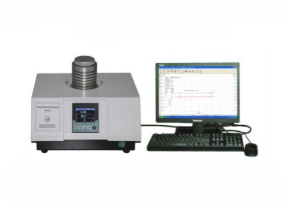
Equipped with advanced sensors and measurement technology, the instrument enables real-time monitoring of a sample's oxidation behavior and provides precise data on the oxidation induction time (OIT). By accurately measuring the OIT, the oxidation resistance of a material can be reliably evaluated. The instrument is capable of completing OIT measurements within a short timeframe. Compared to traditional oxidation assessment methods—such as isothermal oxidation tests—an OIT analyzer significantly reduces testing duration and enhances operational efficiency. Typically, these instruments feature automated control systems that handle tasks such as sample loading, temperature regulation, data acquisition, and result analysis. This automation minimizes the need for manual intervention, thereby improving both the accuracy and reproducibility of the test results.
Oxidation induction analyzers can also measure other parameters related to oxidation performance, such as oxidation rate and oxidation temperature. This multi-parameter analysis provides a more comprehensive assessment of a material's oxidation characteristics. Equipped with remote monitoring capabilities, the instrument can be controlled and its data monitored in real time via a network connection. This feature allows users to operate and oversee the instrument from remote locations, thereby enhancing laboratory efficiency and flexibility. The system offers excellent temperature control and stability, ensuring consistent performance even in high-temperature, high-pressure oxygen environments—a level of stability that guarantees the accuracy and reliability of test results. Typically featuring a modular design with tightly integrated components, the instrument is easy to maintain and repair. Furthermore, it includes automated cleaning and maintenance functions, which help reduce the overall maintenance workload.
Scope of Application
The Oxidation Induction Time (OIT) tester is a precision instrument based on Differential Scanning Calorimetry (DSC) technology. It is primarily used to determine the thermo-oxidative stability of substances such as polymeric materials, oils, and lubricants. By conducting tests in a constant-temperature, oxygen-rich environment, the instrument accurately identifies the onset time of oxidative decomposition, enabling a rapid assessment of a material’s oxidation resistance and service life. It serves as an essential tool for new material R&D, industrial quality inspection, and quality control, finding extensive use across a variety of key industrial sectors.
The instrument is most widely applied within the polymer materials industry. Rubber and plastic materials—such as polyethylene, polypropylene, and cross-linked cable compounds—are prone to aging and failure when exposed to heat and oxygen over extended periods. OIT testing allows for the evaluation of the effectiveness of antioxidant additives, facilitating the optimization of material formulations. Furthermore, it is a mandatory inspection instrument for products such as HDPE pipes, communication cables, and waterproof geomembranes. By strictly adhering to industry standards—including those set by ISO and ASTM—the instrument ensures the long-term stability of these materials in applications such as fluid transport and outdoor installations.
In the automotive and electronics sectors, this instrument plays a vital role in ensuring the quality of core components. Automotive interior plastics, rubber seals, and wire harness insulation materials are frequently exposed to high-temperature environments, which can lead to oxidative cracking and performance degradation. Through rigorous testing, highly stable materials can be selected, thereby enhancing vehicle durability. Similarly, the testing of plastic housings and insulating materials used in electronic components helps prevent safety hazards—such as short circuits or malfunctions—caused by thermal-oxidative aging.
Furthermore, the equipment can be used to assess the stability of products like greases and lubricating oils, enabling the prediction of their storage life and service cycles—a capability that supports quality control in the chemical and edible oil industries. Compared to traditional aging tests, this instrument offers higher testing efficiency, greater data precision, and a superior level of automation, which significantly reduces testing costs. As industries strive for improved quality and efficiency, this instrument has become an essential tool for evaluating material weatherability and stability, as well as for establishing and maintaining industry production standards.
Precautions
Before use, ensure that operators possess the necessary safety knowledge and operational skills. Adhere to laboratory safety protocols and wear appropriate personal protective equipment (PPE), such as laboratory gloves and safety goggles. Prepare samples properly; ensure that sample surfaces are clean and free from any impurities or contaminants that could affect the analysis results. Since different materials exhibit varying oxidation characteristics, select representative samples for testing to ensure accurate results. During oxidation induction analysis, verify that the instrument can precisely control temperature and pressure. As fluctuations in temperature or pressure can influence the analysis outcomes, rigorous control and monitoring are essential. Regularly calibrate the oxidation induction analyzer to maintain its accuracy and reliability. Calibration should be performed in accordance with the manufacturer’s instructions, and the results must be documented. Following the analysis, carefully examine and interpret the data. Consider factors such as the sample's oxidation induction time and oxidation behavior, and compare these findings against other samples or established standards to draw meaningful conclusions. Perform routine maintenance and servicing to ensure the instrument remains in proper working order—this includes cleaning the surfaces, replacing damaged components, and carrying out necessary repairs and calibrations.
Conclusion
The oxidation induction period analyzer enables a comprehensive and in-depth understanding of the thermophysical properties and chemical changes of materials. These testing capabilities play a significant role in the study of thermal behavior across industries such as polymers, metals, and ceramics, providing reliable data to support the development and improvement of materials.