

Is Your Geomembrane Testing Accurate Enough for Critical Barrier Design?
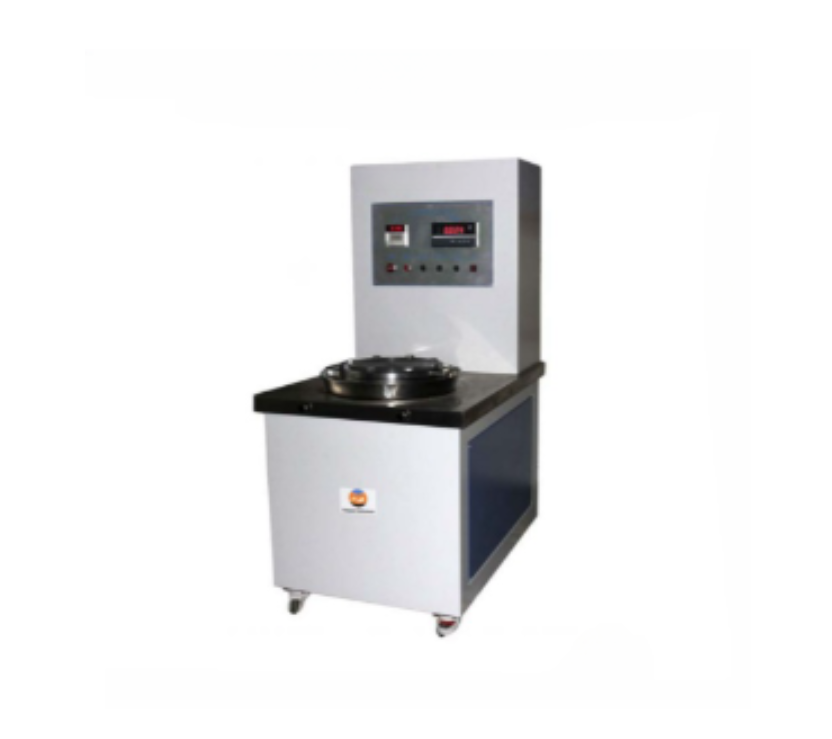
In projects such as water conservancy engineering, landfill sites, artificial lakes, and transportation infrastructure, the safety and performance of waterproofing and impermeable materials are directly related to the service life of the project and environmental safety. As a key impermeable layer, geomembranes are primarily evaluated by their ability to withstand hydrostatic pressure, which is an important indicator of material quality.The Geomembrane Hydrostatic Pressure Tester is a specialized testing instrument designed for this purpose. By simulating real-world water pressure conditions, it accurately determines the impermeability and hydrostatic pressure resistance of geomembrane materials, providing a scientific basis for engineering quality control and performance evaluation.
Basic Overview of Geomembranes
A geomembrane is a new type of engineering material primarily made from synthetic polymers. It offers excellent impermeability, hydraulic properties, and mechanical performance. Polymer materials have stable chemical structures and good processability, enabling geomembranes to maintain reliable performance under a wide range of engineering conditions.
Their impermeability enables them to effectively prevent water penetration; their hydraulic properties allow them to maintain stable performance under different water pressure conditions; and their mechanical properties provide sufficient strength and toughness to withstand various external forces during construction and service. These combined properties have made geomembranes increasingly important in modern civil engineering. Their main applications include:
1. Impermeability
Geomembranes are widely used in reservoirs, dams, ponds, and other hydraulic structures to effectively prevent water leakage and maintain water levels. In these water-conservation facilities, long-term water storage depends on a reliable impermeable barrier. With their dense material structure and excellent impermeability, geomembranes can form an effective barrier between the water body and the foundation, thereby preventing significant water loss.
2. Filtration
Geomembranes can effectively retain soil particles while allowing water to pass through, helping maintain soil stability. This function is particularly important in drainage engineering and foundation treatment. While allowing water to drain freely, the geomembrane prevents fine soil particles from being carried away by water flow, thereby reducing settlement or deformation caused by particle loss and maintaining the integrity and stability of the soil structure.
3. Reinforcement
In certain engineering applications, geomembranes can provide additional strength and improve the load-bearing capacity of soil. When used in combination with soil, their tensile strength and elongation properties can help distribute part of the applied load and improve the stress distribution within the soil. This enables the overall structure to achieve greater stability and safety when subjected to external loads.
4. Isolation
In soil contamination remediation projects, geomembranes can serve as an isolation layer to prevent the migration and spread of contaminants. By installing a geomembrane between contaminated soil and the surrounding clean environment, the migration pathways of pollutants can be effectively blocked and the contaminated area can be confined to a designated zone, creating favorable conditions for subsequent remediation and treatment.
Due to the importance of geomembranes, how to effectively and scientifically evaluate their performance has become a key issue in both research and engineering practice. Only through systematic and standardized testing methods can the various performance indicators of geomembranes be accurately evaluated to determine whether they meet engineering requirements, thereby providing reliable technical support for engineering design and construction.
Necessity of Hydrostatic Pressure Resistance Testing
Hydrostatic pressure resistance refers to the ability of a geomembrane to withstand water pressure. This performance indicator is directly related to the performance of geomembranes in actual applications and is specifically reflected in the following aspects:
1. Structural Safety
In hydraulic engineering projects, geomembranes need to withstand long-term hydrostatic pressure. Unqualified products may result in leakage and water contamination. Once the impermeable layer fails, it can not only cause significant water loss but may also allow pollutants in the water to migrate into the surrounding environment, posing serious risks to engineering safety and the ecological environment. Therefore, hydrostatic pressure resistance is one of the key indicators for evaluating whether a geomembrane can effectively perform its intended impermeable function.
2. Service Life of Engineering Projects
High-quality geomembranes can effectively extend the service life of engineering projects and reduce maintenance costs. Meeting hydrostatic pressure resistance requirements ensures long-term durability under demanding environmental conditions. In actual applications, geomembranes are exposed to the combined effects of water pressure and various complex environmental factors for extended periods. Only materials with good hydrostatic pressure resistance can maintain stable impermeability throughout their service life, avoiding frequent repairs and replacement caused by premature aging or material damage.
3. Compliance with Standards
Different countries and regions have established strict regulations and standards for the performance of geomembranes, and hydrostatic pressure resistance testing is an important part of ensuring product compliance. Through standardized testing methods and consistent evaluation criteria, the quality levels of products from different manufacturers and production batches can be objectively assessed. This provides a fair and scientific basis for material selection and engineering quality acceptance, while also promoting continuous improvements in geomembrane manufacturing technology and quality management systems.
Working Principle of the Hydrostatic Pressure Tester for Geotextiles and Geomembranes
The Hydrostatic Pressure Tester for Geotextiles and Geomembranes is designed to simulate the hydrostatic pressure exerted by water on geotextile and geomembrane materials. Its basic working principle can be summarized in the following steps:
Sample Preparation:
The geotextile or geomembrane specimen to be tested is cut to the specified dimensions and installed on the test platform. The sample cutting and installation must be carried out strictly in accordance with the applicable standard operating procedures to ensure consistent test conditions and reliable test results. The dimensional accuracy of the specimen and its installation condition directly affect the accuracy and repeatability of the test data.
System Filling with Water:
The built-in water pump gradually applies water pressure to the geotextile or geomembrane specimen until the preset hydrostatic pressure is reached. During the water-filling process, the pressure increases gradually at a stable and controllable rate, avoiding abnormal impact or damage to the specimen caused by a sudden pressure increase. This ensures that the test process accurately reflects the stress conditions of the material under actual service conditions.
Pressure Holding:
After the specified test pressure is reached, the pressure is maintained for a predetermined period to observe any possible leakage. This is a critical stage of the test. By continuously monitoring the performance of the specimen under the specified pressure, it is possible to determine whether the material develops leakage points, rupture, or other forms of failure, thereby evaluating whether its hydrostatic pressure resistance meets the required specifications.
Result Recording:
The monitoring system of the tester records the effects of hydrostatic pressure on the membrane material as well as the actual permeation or leakage of the specimen. Key parameters, such as pressure changes and leakage volume, are collected and recorded in real time, providing complete and objective data for subsequent analysis and performance evaluation.
In this way, the tester can not only provide accurate test data but also significantly improve testing efficiency, helping engineers make decisions more quickly. With an automated testing process and a precise data acquisition system, the tester can substantially reduce the time and labor required for individual tests while minimizing errors caused by manual operation, making the test results more reliable and credible.
Market Prospects and Development Trends
With the growing global awareness of environmental protection and the rapid development of civil engineering projects, the demand for Hydrostatic Pressure Testers for Geotextiles and Geomembranes is steadily increasing. In the coming years, the development trends in this field are expected to focus mainly on the following aspects:
Intelligentization: With the advancement of technology, intelligent testing instruments will gradually become mainstream. For example, testing equipment can be integrated with Internet of Things (IoT) technology to enable remote monitoring and data sharing.
Higher Accuracy and Efficiency: Future testing instruments will continue to develop toward higher measurement accuracy and faster testing speeds, helping engineers improve testing efficiency and work productivity.
Green and Environmentally Friendly Development: In response to increasingly stringent environmental protection standards, the market will increasingly shift toward green and environmentally friendly materials. Related testing will also place greater emphasis on evaluating the environmental performance of materials.
Conclusion
The Hydrostatic Pressure Tester for Geotextiles and Geomembranes is essential for ensuring the impermeability performance of geotextile and geomembrane materials and the overall safety of engineering projects. Through scientific and properly conducted testing, potential project risks can be effectively reduced, construction quality can be improved, and water resources and the ecological environment can be better protected.With continuous technological advancement, further innovations and improvements in this field are expected, providing stronger support for engineering safety and the sustainable development of civil engineering projects.