

How Does a Velcro Fatigue Tester Evaluate Fastener Durability?
As a commonly used fastening component in clothing, luggage, medical equipment, and other industries, hook and loop fasteners (Velcro) gradually deteriorate and eventually fail during repeated opening and closing due to mechanical friction, stress concentration, and changes in the internal structure of the materials. This failure process is known as fatigue.The Hook and Loop Fastener Fatigue Tester is specially designed to evaluate the fatigue resistance of hook and loop fasteners. By simulating the opening and closing actions encountered in actual use, the tester quantitatively assesses the material's resistance to wear and provides data-driven support for product quality control.
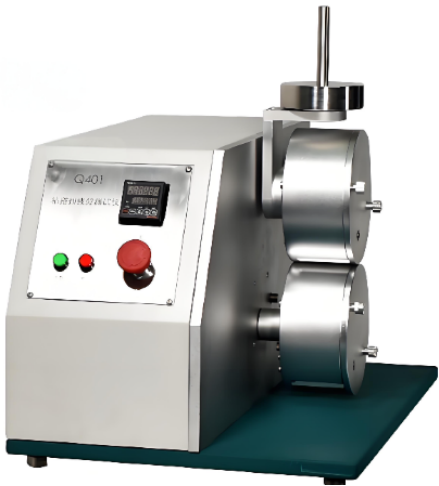
How Does a Hook and Loop Fastener Fatigue Tester Work
The working principle of the Hook and Loop Fastener Fatigue Tester is straightforward and mainly consists of the following key steps:
1. Securing the Test Specimen
The hook side (the stiffer side) and loop side (the softer side) of the hook and loop fastener are respectively secured to two rollers of different diameters. Typically, the larger roller has a diameter of approximately 162.5 mm, while the smaller roller has a diameter of approximately 160 mm.
A specified gap is maintained between the two rollers so that the specimen remains properly engaged after installation, providing stable initial conditions for the subsequent repeated fastening and separation cycles.
2. Applying the Load
To simulate the pressure encountered during actual use, a specified load is applied to the rollers. A commonly used standard load is 5 kg, or a loading condition of 1 N per millimeter of specimen width, depending on the applicable test standard.
The loading method can be adjusted according to the specimen width and testing requirements to ensure sufficient and consistent contact force between the hook and loop surfaces during each engagement and separation cycle.
3. Repeated Engagement and Separation
Once the motor is started, the rollers begin to rotate, driving the hook and loop fastener through repeated engagement and separation cycles. The standard test speed is typically around 60 revolutions per minute, with the direction automatically reversed every 30 seconds.
This bidirectional rotation allows the hook and loop surfaces to experience friction and tensile forces in different directions, helping achieve more uniform wear and reducing potential test deviations caused by one-directional movement.
4. Counting and Automatic Shutdown
The tester is equipped with a precision counter that allows the required number of test cycles to be preset, such as 1.000. 3.000. or more cycles. The machine automatically stops when the preset number of cycles is reached.
The counting system records each engagement and separation cycle in real time, ensuring that test data is accurate and traceable. The resulting data can provide a reliable basis for subsequent analysis of fastening strength retention and fatigue life.
What Happens After the Test
After going through the “torture” of the fatigue tester, the hook and loop fastener has not yet completed its evaluation. The fatigue tester only simulates the repeated fastening and separation actions encountered during actual use. While this can reflect the trend of performance changes after long-term use to a certain extent, further mechanical performance testing is required to obtain accurate quantitative results.
After the fatigue test is completed, technicians carefully remove the specimens from the rollers and cut them into standardized dimensions according to the relevant testing standards. The specimens are then placed in another testing device—the Tensile Testing Machine. This machine applies tensile force to the specimens at a constant or controlled speed and records changes in the specimens throughout the loading process in real time.
Two key indicators are measured using the tensile testing machine:
Shear Strength
Shear strength is the maximum force that the hook and loop fastener can withstand when subjected to a force applied parallel to the bonded surface. This indicator primarily reflects the ability of the hook and loop surfaces to resist relative sliding when exposed to external forces parallel to the engagement surface.
A higher shear strength indicates that the fastener is less likely to shift or become detached when subjected to lateral tensile forces.
Peel Strength
Peel strength is the force required to separate the hook and loop fastener progressively from one end. This indicator measures the resistance that must be overcome when the hook and loop surfaces are gradually separated in a direction perpendicular to the engagement surface.
A higher peel strength indicates that the hook and loop fastener has a tighter engagement and is less likely to be easily peeled apart.
By comparing the test data before and after the fatigue test, the fatigue resistance and durability of the hook and loop fastener can be scientifically evaluated. If the shear strength and peel strength show only a small decrease compared with their initial values after repeated fastening and separation, the fastener can maintain relatively good fastening performance and demonstrate stronger fatigue resistance.
Conversely, if the strength decreases significantly, it indicates that the hook and loop fastener may be more susceptible to reduced fastening performance and inadequate fixation during long-term use.
Why Is Hook and Loop Fastener Fatigue Testing Necessary
This question needs to be understood from the actual application scenarios and performance requirements of hook and loop fasteners.
As a functional fastening material that relies on the interlocking of the hook and loop surfaces to achieve quick fastening and separation, hook and loop fasteners are widely used in footwear, luggage, clothing, automotive interiors, medical devices, and many other fields. Their performance stability is directly related to the overall quality and usability of the products in which they are used. If a hook and loop fastener fails rapidly after frequent use, it can not only significantly reduce the user experience but may also create potential safety risks.
For example, if the hook and loop fastener on sports shoes gradually loses its fastening strength after repeated opening and closing, the shoes may become loose during exercise, potentially resulting in falls or other accidental injuries. Similarly, if a medical support device cannot maintain secure fixation, it may fail to provide the intended support and protection, potentially affecting rehabilitation outcomes or even compromising user safety.
Therefore, conducting systematic fatigue testing of hook and loop fasteners in accordance with relevant domestic and international standards is an important part of ensuring stable and reliable product quality and protecting consumer safety during use.
In summary, the Hook and Loop Fastener Fatigue Tester is not only a quality testing instrument but also an important tool for improving product competitiveness. Through standardized fatigue testing followed by strength measurements, manufacturers can gain a comprehensive understanding of the service-life characteristics of hook and loop fasteners, helping provide consumers with products that offer greater durability and reliable fastening performance.