

What is a textile thermal insulation property tester?
With the rapid growth of the functional textile market, consumers are increasingly demanding higher levels of thermal comfort from apparel and home textile products. Whether it is the need for a “cooling sensation” in sun-protective clothing during summer or the “thermal insulation” and safety requirements of winter protective clothing and fire-protective garments, scientific and accurate testing data are essential. As a core instrument for evaluating the thermal properties of textile materials, the Textile Thermal Insulation Tester plays a critical role in quality control, product development, and compliance with relevant standards.
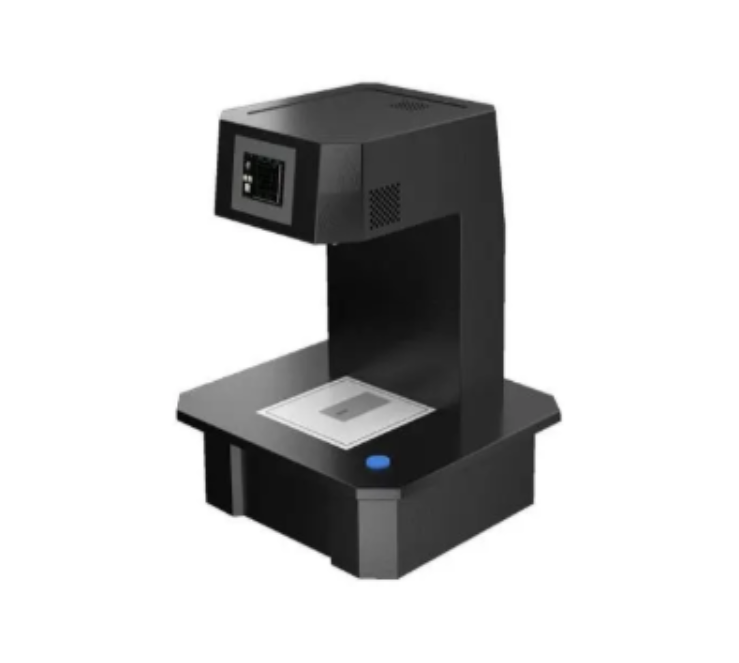
Core Testing Principles and Technical Categories of Textile Thermal Insulation Testers
Textile thermal insulation is not a single concept. Depending on the application scenario, it can mainly be divided into “thermal resistance/heat shielding tests” for everyday comfort and “heat resistance/thermal protective performance tests” for extreme environments. Accordingly, testing instruments are designed based on different physical principles.
1. Thermal Resistance Testers Based on the Hot Plate Comparison Principle
These instruments are mainly used to measure the thermal insulation performance, or thermal resistance, of ordinary textiles such as apparel fabrics and filling materials under steady-state conditions.
Working Principle:
According to international standards, the hot plate comparison method is used. The instrument consists of a powerful ventilated enclosure, a circular hot plate, and a cold plate. The hot plate is maintained at a constant temperature, while the cold plate is placed on top of the specimen or maintained at a specified distance. High-precision sensors monitor the heat flux density and temperature gradient when thermal equilibrium is reached, and the thermal resistance is calculated according to Fourier’s law of heat conduction.
Key Indicators:
Textile specimens with a thickness of 0.5–25 mm can be tested, with an accuracy of up to 1%. The test environment must be strictly controlled at a temperature of (20 ± 2) °C and a relative humidity of (65 ± 5)% RH. Specimens should be preconditioned in this environment for 24 hours to eliminate the influence of moisture.
Application Value:
The results are directly related to the Clo value and provide an important basis for evaluating the thermal insulation performance of winter garments such as down jackets and thermal underwear.
2. Thermal Protective Performance Testers Based on Radiant Heat Sources
These instruments are mainly designed for special protective equipment such as firefighting clothing and flame-resistant clothing, and are used to evaluate their thermal insulation capability under high-temperature radiant and convective environments.
Working Principle:
According to the relevant standards, the heat capacity method is adopted. The instrument is equipped with a radiant heat source, such as silicon carbide rods or infrared tubes, and a convective heat source, such as a Bunsen burner, to simulate the high-temperature environment of a fire scene. A calorimeter is placed on the back of the specimen to record the heat energy absorbed per unit time and the temperature variation, thereby calculating the thermal protective performance value.
Technical Features:
The heat flux density of the heat source can be adjusted over a wide range. Some high-end models can provide a total heat flux of up to 100 kW/m². The system adopts computer-controlled operation and is equipped with water-cooling protection and high-speed data acquisition functions, with high sampling accuracy and a response time of ≤2 s. Time-temperature curves can be generated automatically.
Application Value:
The test results directly determine whether protective clothing can provide sufficient escape time for the wearer, making this an important mandatory testing item in the field of fire safety.
3. Heat Shielding and Light-Induced Heat Storage Performance Testers
These instruments are designed for applications such as summer sun protection and building energy efficiency, with a focus on evaluating the ability of textiles to shield against solar radiant heat.
Working Principle:
A solar simulator is used to irradiate the specimen. After passing through the fabric, the light is absorbed by a metal black plate, and temperature sensors detect the temperature variation of the black plate. The main performance indicators are the heat shielding rate and the maximum temperature change.
Distinction Between Concepts:
It is important to distinguish between “UV protection” (UPF, which addresses the risk of sunburn) and “heat shielding” (which addresses temperature rise). A high UPF value does not necessarily indicate good heat shielding performance. This type of tester is specifically designed to quantify the temperature-rise effect caused by the fabric’s ability to block infrared radiation.
Factors Affecting the Thermal Insulation Performance of Textiles
The thermal insulation performance of textiles is affected by various factors. Understanding these factors helps to better interpret and apply test results.
Fiber Material is the primary factor affecting thermal insulation performance. Different fibers have significantly different thermal conductivity coefficients. For example, wool fibers have relatively low thermal conductivity and good thermal insulation performance, followed by cotton fibers, while synthetic fibers generally have higher thermal conductivity. The cross-sectional shape and surface morphology of fibers can also affect their ability to retain air, thereby influencing thermal insulation performance.
Fabric Structure also plays an important role in thermal insulation performance. As fabric thickness increases, the amount of trapped and still air within the fabric increases, resulting in higher thermal resistance. Fabric density affects air convection; higher-density fabrics can reduce air movement and improve thermal insulation performance. Different weaving methods, such as plain weave, twill, and satin weave, create different surface morphologies and internal pore structures, all of which affect heat transfer.
Finishing Processes can also alter the thermal insulation performance of textiles. Coating treatments can form a continuous film on the fabric surface, increasing the reflection and absorption of thermal radiation. Processes such as raising and sueding can increase fabric thickness and loft, thereby improving thermal insulation. However, certain functional finishes, such as water-repellent treatments, may change the surface characteristics of fibers and indirectly affect thermal insulation performance.
Environmental Conditions should not be overlooked. Changes in ambient temperature can affect the thermal conductivity of fibers. As temperature increases, the thermal conductivity of most fibers also increases. Ambient humidity has a significant effect on hygroscopic fibers because moisture replaces the air within the fibers, and the thermal conductivity of water is much higher than that of air, resulting in reduced thermal insulation performance under wet conditions.
The Value and Significance of Textile Thermal Insulation Testing
Textile thermal insulation test results can provide valuable guidance for product development. By comparing the thermal insulation performance of different materials and fabric structures, designers can select suitable raw materials and manufacturing processes to develop products that meet specific thermal insulation requirements. For example, winter outdoor clothing requires a higher thermal resistance value, while summer clothing requires an appropriate level of heat transfer.
Test results are also an important basis for product quality control. Manufacturers can regularly test thermal insulation performance to monitor its stability and ensure consistent product quality across different batches. When raw materials or manufacturing processes change, thermal insulation testing can help evaluate the impact of these changes on product performance.
For buyers and consumers, thermal insulation test reports provide objective information about product performance and support purchasing decisions. Clear thermal insulation performance indicators make it easier to compare the characteristics of different products and select textiles that are most suitable for specific applications.
In summary, the Textile Thermal Insulation Tester is not only a benchmark for measuring product performance, but also an important technological driver for promoting the textile industry toward greater functionality, specialization, and sustainability. When selecting and using this type of equipment, companies should clearly define the application scenarios of their products, choose instruments that comply with the relevant international or national standards, and strictly follow testing procedures to ensure accurate and reliable data.