

What is the Shoelace Anti-Siphon Tester?
In the footwear materials and textile industries, waterproof performance is not only essential for wearing comfort but also directly affects the durability and appearance of finished products. Among the factors that can compromise water resistance, the siphoning effect, in which moisture travels upward through the capillary channels between fibers, is a major cause of water migration.To scientifically evaluate the anti-siphoning performance of shoelaces and webbing materials, the Shoelace Anti-Siphoning Tester has become an important instrument for quality control. This article provides an in-depth analysis of the tester’s working principle, standard operating procedure, and evaluation criteria.
What Is Anti-Siphoning Testing
The siphoning effect refers to the migration and upward spreading of liquid through the capillary channels between fibers, driven by capillary action and differences in liquid levels. For water-repellent-treated shoelaces and webbing, if this effect cannot be effectively suppressed, rainwater or stains can easily migrate along the shoelaces and penetrate into the interior of the footwear, resulting in damp linings and potentially even mold growth.
Anti-siphoning testing is designed to simulate actual use conditions. By quantitatively measuring the height to which water rises through the material, the test evaluates the effectiveness of the water-repellent treatment in reducing surface wetting and the material's inherent resistance to capillary water absorption.
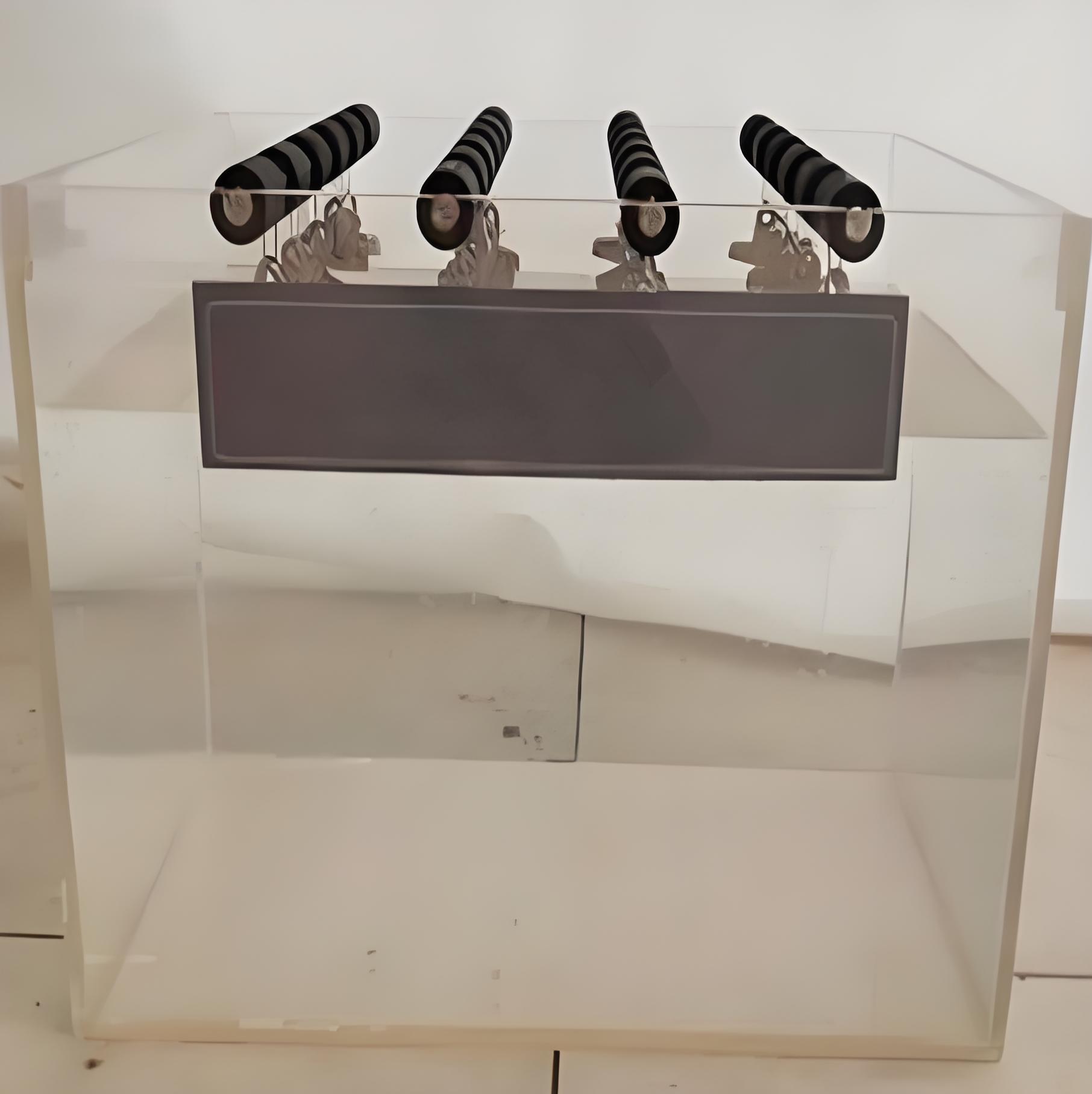
Instrument Structure and Functional Features
The Shoelace Anti-Siphoning Tester typically consists of the following core components:
Transparent Water Tank:
Designed to facilitate direct observation of changes in the colored solution level and the water absorption behavior of the test specimens.
Stainless Steel Stand and Clamps:
Equipped with snap-type fixing clamps to ensure that the specimens remain vertically suspended and securely positioned, allowing for quick and convenient installation.
Standard Graduated Scale:
Used to accurately measure the height of water rise along the test specimen.
Adjustment Device:
Allows precise control of the depth to which the test specimen is immersed in the liquid.
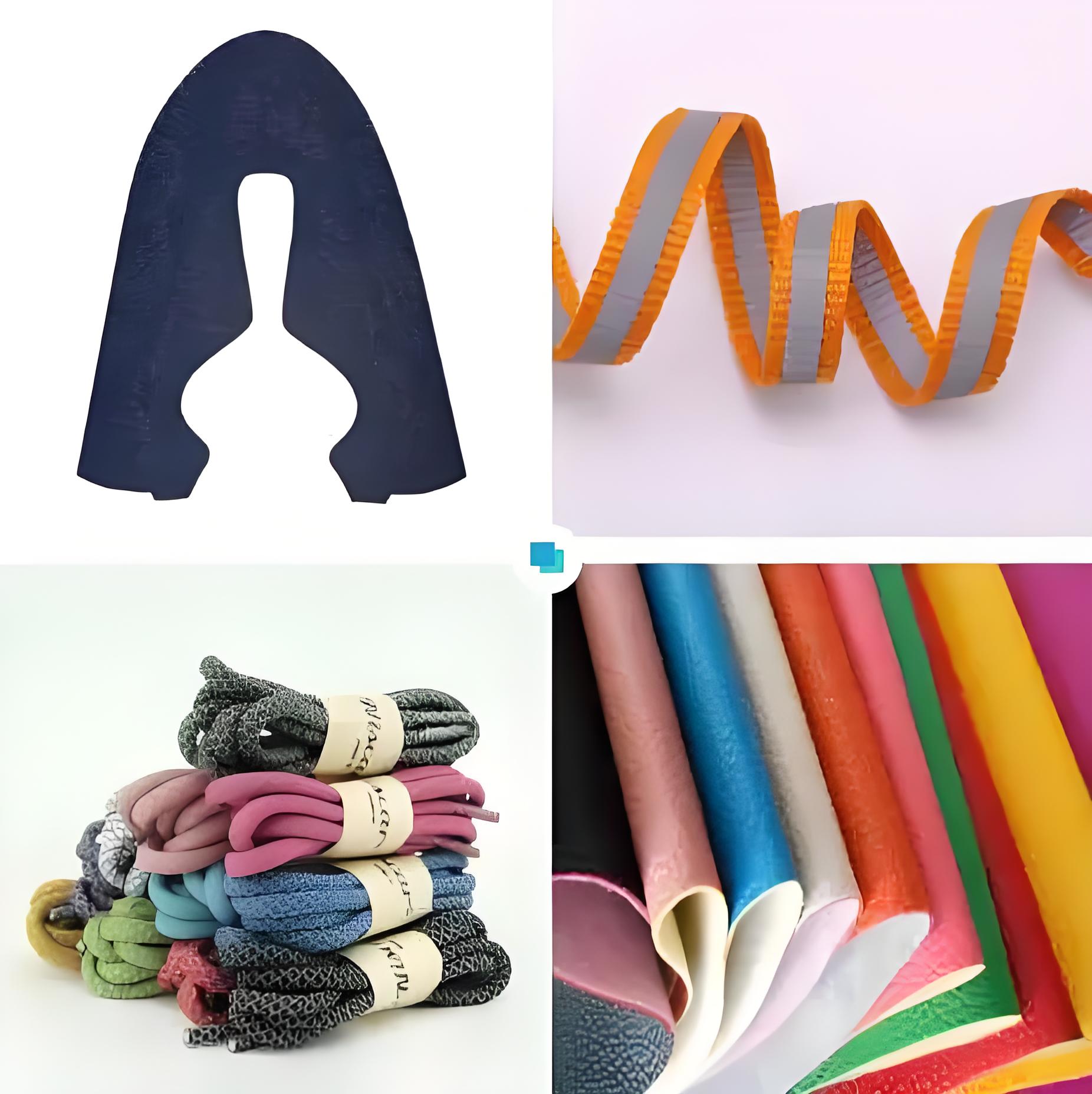
The instrument is suitable for evaluating the water absorption and anti-siphoning performance of various water-resistant leather, mesh fabrics, shoelaces, webbing, and sewing threads. It features simple operation, convenient specimen installation, and intuitive test results, making it suitable for routine quality control and laboratory testing.
Detailed Testing Procedure for Shoelace Anti-Siphoning Performance
A standardized anti-siphoning test is a critical step in evaluating the effectiveness and durability of water-repellent treatments applied to shoelaces. The following is the complete operating procedure for the Shoelace Anti-Siphoning Tester based on commonly used industry testing practices.
1. Test Preparation
Specimen Pretreatment
To ensure that the test results reflect the durability of the shoelace under actual use conditions, the specimens should undergo simulated wear treatment before testing.
Conditioning:
Place the shoelace specimens in a standard laboratory environment for at least 16 hours to minimize the influence of differences in ambient temperature and humidity on the test results.
Abrasion Treatment:
Subject the shoelaces to 200 abrasion cycles in accordance with the applicable shoelace abrasion test method.
Specimen Cutting:
After abrasion treatment, cut a 76 mm-long specimen from the abraded section for testing. For sewing thread testing, first stitch the thread onto a 1.6–1.8 mm-thick, oil-free grain leather substrate, fold the prepared specimen, and then proceed with the test.
Preparation of Test Solution and Equipment
Test Solution:
Fill the water tank of the Anti-Siphoning Tester with clean water and add red ink or another colored dye to make the height of water rise along the specimen clearly visible.
Equipment Inspection:
Ensure that the Anti-Siphoning Tester is placed horizontally and stably. Check that the clamps function properly and that the graduations on the measuring scale are clear and legible.
2. Test Procedure
Specimen Installation
Vertically suspend the prepared 76 mm-long shoelace specimen from the clamp of the Anti-Siphoning Tester. Adjust the specimen height so that 13 mm of the specimen is immersed in the colored test solution. This immersion depth serves as the standardized starting condition for initiating capillary action.
Timing and Initial Observation
Start the timer immediately after the specimen has been installed.
At 0.5 hours (30 minutes), conduct the first observation:
Observe and record the height to which the colored solution has risen along the shoelace.
Evaluation criterion: If the rise exceeds 3 mm, immediately terminate the test and classify the specimen as non-conforming for anti-siphoning performance.
If the rise is no more than 3 mm, continue the test.
Second Observation and Final Evaluation
If the specimen passes the initial observation, keep it suspended under the same test conditions until the test duration reaches 2 hours.
Observe and record the final height to which the colored solution has risen along the shoelace.
Evaluation criterion: If the rise exceeds 10 mm, terminate the test and classify the specimen as non-conforming for anti-siphoning performance.
If the rise is no more than 10 mm, the specimen is classified as conforming for anti-siphoning performance.
3. Result Analysis and Precautions
Data Recording:
During the test, accurately record each observation time and the corresponding height of liquid rise in millimeters to ensure complete data traceability.
Abnormal Conditions:
If the test solution becomes noticeably lighter in color or evaporates excessively quickly, replenish the solution or prepare a fresh solution as necessary. This helps prevent changes in solution concentration from affecting visual evaluation of the liquid rise.
Principle and Application:
Shoelaces with good anti-siphoning performance are typically treated with specialized water-repellent finishes, such as fluorine-free water-repellent agents, which help inhibit capillary action by reducing surface wetting and controlling the interaction between the liquid and fiber surface.
Failure to meet the anti-siphoning requirements may indicate uneven water-repellent treatment, inadequate treatment penetration, or significant deterioration of water-repellent performance after abrasion.
The Importance of the Shoelace Anti-Siphoning Tester
The Shoelace Anti-Siphoning Tester is designed to simulate and quantitatively evaluate the risk of moisture rising along shoelaces, webbing, and sewing threads due to capillary action in humid or wet conditions. It helps verify the effectiveness of water-repellent finishing processes and prevents functional failures in which a material appears water-resistant on the surface while moisture penetrates internally.
Key Functions
1. Preventing Potential Problems During Use
When footwear is worn outdoors or in rainy conditions, siphoning can cause water to migrate along the shoelaces into the inner layers of the shoe or across the boundaries of waterproof membranes. This may result in wet feet even when the outer surface of the footwear has no visible damage. The tester helps identify such design or process defects at an early stage.
2. Verifying Water-Repellent Durability
By conducting the anti-siphoning test after abrasion pretreatment, the tester can determine whether the water-repellent treatment retains its ability to inhibit capillary water rise after mechanical wear. This helps verify protective performance throughout the expected service life of the product.
3. Supporting Material Selection and Process Optimization
The test provides objective data for optimizing water-repellent formulations, such as fluorine-free water-repellent finishes, as well as processing temperatures and post-treatment conditions, reducing reliance on subjective experience.
4. Distinguishing Actual Water Leakage from Siphoning Effects
The tester helps manufacturers determine whether customer complaints about wet footwear after water exposure are caused by damage to the waterproof membrane or by capillary water migration through auxiliary materials such as shoelaces. This information can support more accurate troubleshooting and after-sales decisions.
Conclusion
In summary, the Shoelace Anti-Siphoning Tester is not merely a basic laboratory testing instrument; it also serves as an important link between material science and finished-product quality.Through standardized testing procedures and rigorous evaluation criteria, the tester helps ensure the functional stability, durability, and reliability of footwear materials, providing valuable technical support for product development, quality control, and process optimization.