

What is a yarn twist tester?
In the textile industry, lea yarn refers to yarn that is wound into individual bundles or skeins for testing purposes. It is also known as “lay yarn” or “lea” in some regions. Lea yarn is commonly used for evaluating yarn length, breaking strength, elongation, and other physical properties.The specialized laboratory equipment used for this purpose is called a Lea Yarn Length Tester. It is also known as a Yarn Length Testing Instrument. This instrument is one of the essential testing devices for evaluating the linear density-related technical properties of yarns, fibers, and filament yarns.In addition, some international users use this instrument for preparing yarn strength test specimens. It is widely applied in textile manufacturing enterprises, textile testing laboratories, quality inspection and supervision organizations, and research institutions’ central laboratories for yarn quality evaluation and performance analysis.
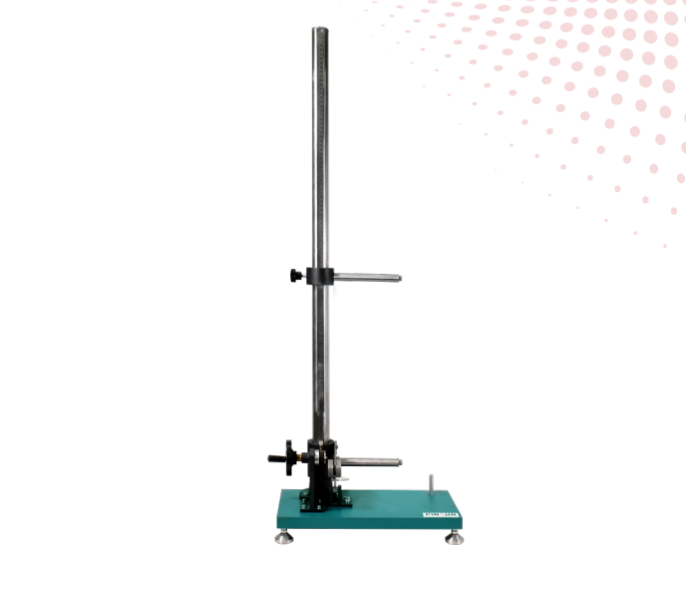
Instrument Definition and Core Applications
The Lea Yarn Length Tester (also known as a Lea Yarn Measuring Machine) is a specialized testing instrument used in the textile industry. It is mainly designed for determining the linear density of yarns and filament fibers (such as Tex, Denier, and yarn count) and for preparing lea yarn specimens for tensile strength testing.
Working Principle:
The yarn is wound onto a yarn reel with a standard circumference under a constant tension. The instrument records the number of winding turns to calculate the yarn length. The linear density is then determined by weighing the yarn specimen and calculating the mass per unit length.
Main Application Fields of the Lea Yarn Length Tester:
Yarn Production Quality Control
In spinning mills, the instrument is used for regular sampling inspections of yarn length to verify whether the yarn count (such as metric count or English cotton count) meets the specified standards. It helps prevent batch quality deviations caused by raw material variations or process-related issues.
Trade Settlement and Quality Verification
During yarn transactions, buyers need to verify whether the actual yarn length of delivered goods is consistent with the labeled value. The Lea Yarn Length Tester provides reliable and internationally recognized testing data to support fair trade and quality verification.
Research and Development Testing
During the development of new fibers or blended yarns, repeated tests are required to evaluate length stability under different processing conditions. The instrument’s excellent repeatability helps improve testing efficiency and shorten the product development cycle.
Main Functions of the Lea Yarn Length Tester
The main functions of the Lea Yarn Length Tester cover several critical aspects, aiming to comprehensively evaluate the physical properties and production quality of yarn.
1. Linear Density Measurement
Linear density determination is one of the core functions of this instrument. It accurately measures the mass per unit length of yarn under standard moisture regain conditions, which is a key indicator for evaluating yarn thickness uniformity. This parameter directly affects the specifications, appearance, and hand feel of subsequent fabrics.
For example, by systematically testing the linear density value of cotton yarn, manufacturers can accurately determine whether the yarn complies with specified yarn count standards (such as 40s or 60s cotton count). The test results provide important references for yarn classification, quality grading, and commercial pricing.
2. Preparation of Strength Test Specimens
The preparation of yarn strength test specimens is another important application of the Lea Yarn Length Tester. In international textile testing laboratories, users often utilize the Lea Yarn Measuring Machine to wind yarn specimens with a precisely controlled length for subsequent evaluation of key mechanical properties, such as breaking strength and elongation.
For example, by accurately preparing a standard 100-meter yarn specimen, the sample can be used in a tensile testing machine for further strength and toughness evaluation, enabling scientific assessment of yarn durability and mechanical performance.
3. 100-Meter Yarn Weight Deviation Control
The 100-meter yarn weight deviation measurement function is also essential for yarn quality evaluation. By testing the variation coefficient and standard deviation of yarn weight per 100 meters, the instrument can effectively assess the consistency and stability of the yarn manufacturing process.
If excessive deviation in 100-meter yarn weight is detected, it may indicate fluctuations in spinning processes. Such instability can lead to fabric defects such as streaks, barre effects, or uneven dyeing patterns during subsequent weaving or knitting processes. It may also increase yarn breakage rates on textile machines, ultimately affecting the overall quality, appearance, and consistency of finished textile products.
Working Process of the Lea Yarn Length Tester
The design of the Lea Yarn Length Tester is based on measuring yarn length under a constant tension condition. The complete testing process is generally divided into three main steps:
(1) Yarn Fixing
The yarn sample is guided through the yarn guide and securely fixed onto the instrument’s clamping device. This ensures that the yarn remains stable without slipping, loosening, or shifting during the measurement process.
(2) Tension Adjustment
A standard tension is applied to the yarn through a weighting system or electronic tension sensor. This eliminates measurement errors caused by yarn relaxation, excessive stretching, or inconsistent tension during testing, ensuring accurate and repeatable results.
(3) Length Measurement and Data Recording
The drive mechanism moves the yarn at a uniform speed. The counter records the number of winding revolutions, or the yarn length is directly calculated through a photoelectric sensor. The final measurement results are displayed on the screen or exported for further analysis.
Some advanced models are equipped with data storage and analysis functions, allowing multiple measurement results to be saved and automatically calculating statistical parameters such as average value, coefficient of variation (CV), and standard deviation. These features enable the instrument to meet the high-precision requirements of professional textile laboratories.
Maintenance and Care of the Lea Yarn Length Tester
1. Daily Cleaning
Regularly clean yarn residues, dust, and other contaminants from components such as the yarn reel and yarn guide to prevent them from affecting winding accuracy and measurement precision. For example, use a soft brush to clean the gaps of the yarn reel and prevent the accumulation of yarn debris.
2. Tensioner Calibration
Regularly check the indication error of the tension control system to ensure accurate tension application during testing. For example, a standard calibration weight can be used to verify the tensioner, and the measurement error should not exceed ±1 cN.
3. Lubrication of Transmission Components
Regularly lubricate transmission components such as motors, bearings, and drive mechanisms to reduce wear, minimize operating noise, and extend the service life of the equipment. For example, lubricate the motor bearings every three months to maintain smooth operation.
4. Inspection of Electrical Components
Check electrical components such as power cables, counters, and connection terminals for looseness, aging, or damage to ensure safe and reliable operation. For example, inspect the counter connection cables monthly to prevent poor contact from causing inaccurate measurement data.
Conclusion
Overall, the Lea Yarn Length Tester plays an essential role in textile and chemical fiber industries due to its high accuracy and stable performance in yarn length measurement and quality evaluation. As a critical instrument in quality inspection processes, it continues to support yarn production control, laboratory testing, and product development.Users interested in this equipment are welcome to contact our professional team for detailed product specifications, technical documentation, application examples, and customized solutions. We are committed to providing suitable testing solutions to meet specific testing requirements and help customers obtain comprehensive product information.