

What is a carpet test?
In the vast world of carpets, we are often attracted by their rich colors, soft texture underfoot, and exquisite patterns. However, the key factor that determines whether a carpet is durable and can maintain its aesthetic appearance for a long period of time is hidden within its microscopic structure — that is, the bonding strength between the carpet pile tufts and the backing material.The Carpet Tuft Pull-Out Tension Tester is a specialized mechanical testing instrument designed to accurately determine the maximum force required to pull out an individual tuft or loop pile from the carpet backing. It provides essential data support for carpet production quality control, new product development, third-party inspection, and engineering acceptance.
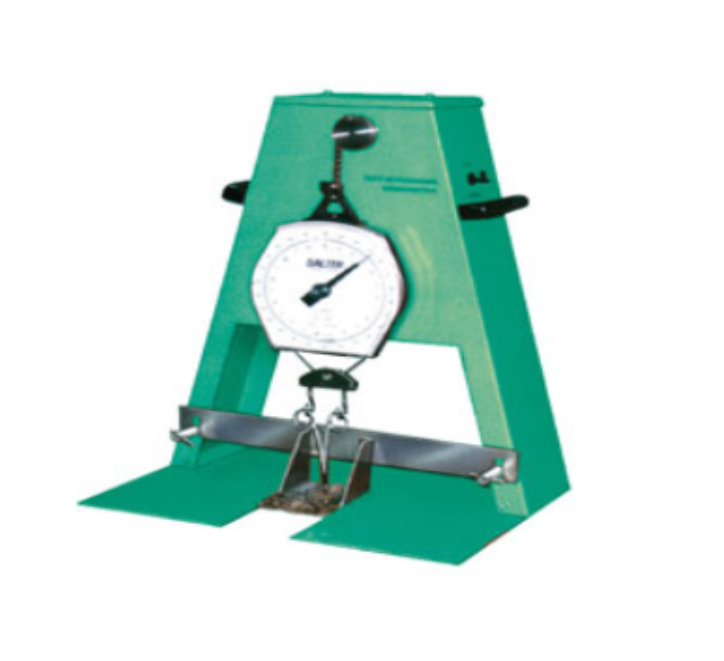
Principle of the Carpet Tuft Pull-Out Tension Tester
1. Mechanical Force Transmission Principle:
During the test, the carpet specimen is clamped securely by the instrument’s fixed platform. A single tuft (or loop pile) is connected to the force measuring sensor (or force measuring balance) through a specially designed clamp. The motor drives the lifting rod to move upward at a constant speed, causing the clamp to apply a vertically upward and constant tensile force to the tuft. The tensile force is transmitted through the clamp to the tuft and finally acts on the bonding interface between the tuft and the carpet backing.
2. Force Value Detection Principle:
As the tensile force gradually increases, the bonding force between the tuft and the carpet backing is progressively overcome. The force measuring sensor continuously collects the tensile force data in real time and converts it into an electrical signal (for mechanical models, the force value is transmitted through the deformation of the dial spring), which is then transferred to the display system. When the tuft is completely pulled out or breaks, the tensile force reaches its peak value. The instrument automatically locks and displays this maximum force value. This force value is defined as the tuft pull-out tension, with the measurement units expressed in Newtons (N) or kilogram-force (kgf).
3. Bonding Strength Correlation Principle:
The magnitude of the tuft pull-out tension directly reflects the bonding strength between the carpet tuft and the backing materials (including the primary backing, adhesive layer, and secondary backing). A higher pull-out tension indicates stronger adhesion between the tuft and the backing, resulting in better resistance to tuft shedding and abrasion. Conversely, if the pull-out tension is too low, the carpet is more likely to experience problems such as pile shedding, loop pulling, and exposure of the backing during use, which affects its service life and user experience.
Operating Procedure of the Carpet Tuft Pull-Out Tension Tester
1. Sample Preparation:
Cut a flat, undamaged, and clean specimen from the carpet to be tested. The specimen size should be suitable for secure fixation, and each specimen should allow testing of at least 10 tufts. If the carpet consists of a mixed structure of cut pile and loop pile, or is made of different fibers or yarns, separate specimens shall be prepared. Each group should contain at least 25 tufts/loops for testing.
2. Conditioning of the Specimen:
Place the specimens in a standard atmospheric environment (temperature: 20±2℃, relative humidity: 65%±3%) for conditioning for at least 24 hours, allowing the moisture content of the specimens to reach equilibrium. This eliminates the influence of temperature and humidity on fiber strength and bonding strength, ensuring stable and reliable test results.
3. Instrument Preparation Before Testing:
Connect the power supply before testing and preheat the instrument for 5–10 minutes. Check whether the clamps are in good condition and whether the lifting system operates smoothly. Attach the clamp without load, press the reset button to calibrate the zero point, and ensure that the force value display is accurate. Then select an appropriate measuring range according to the strength of the specimen.
4. Specimen Installation:
Place the conditioned specimen flatly on the fixed platform with the carpet surface facing upward and aligned with the pressure plate position. Tighten the fixing screws at both ends to ensure that the specimen has no wrinkles or slipping and that the loading area remains flat. Avoid excessive tightening, as it may cause local deformation of the specimen, alter the original condition of the tufts, and affect the test results.
5. Selection and Installation of Clamps:
Select the appropriate clamp according to the carpet type:
For cut pile carpets, use a tuft clamp.
For loop pile carpets, use a metal hook.
Securely connect the upper end of the clamp to the force measuring hook, ensuring that the connection is firm, stable, and free from looseness or tilting.
6. Selection and Clamping of Test Points:
In the test area of the specimen (distance from the edge ≥25 mm, distance between test points ≥25 mm to avoid interference between adjacent tests), select complete and undamaged individual tufts/loops.
For cut pile carpets, gently clamp the end of the tuft with the tuft clamp, ensuring secure gripping without cutting or damaging the tuft.
For loop pile carpets, insert the metal hook through a single loop, ensuring that the hook is positioned at the center of the loop to prevent the loop from slipping off.
7. Starting the Test:
After clamping, press the reset button again to calibrate the zero point and eliminate the influence of the clamp’s own weight on force measurement. Start the lifting system and adjust the pulling speed to the standard value (300 mm/min). The instrument then begins to lift the clamp upward at a constant speed.
8. Force Measurement and Data Recording:
During the lifting process, observe the condition of the tuft while the instrument continuously displays the changes in tensile force in real time. When the tuft is completely pulled out or breaks, the instrument automatically locks the maximum force value. Record the measured data, press the stop button, lower the lifting rod, and remove the clamp and specimen to complete one test.
9. Repeated Testing and Result Calculation:
Repeat the above procedures in different areas of the same specimen until the required number of tests (10–25 tufts/loops) is completed. Eliminate abnormal data (such as premature tuft breakage or invalid data caused by clamp slippage). Then calculate the average value, maximum value, and minimum value. The obtained results represent the carpet tuft pull-out tension test results of the specimen.
Precautions for Using the Carpet Tuft Pull-Out Tension Tester
1. Maintain Stable Environmental Conditions:
During the testing process, the ambient temperature and humidity should be kept stable. Avoid direct sunlight exposure and strong airflow interference to prevent fluctuations in the moisture content of the specimen or thermal deformation of the instrument, which may cause testing errors.
2. Proper Clamping of Tufts:
When clamping the tuft, apply an appropriate gripping force to ensure secure fixation without damaging the tuft fibers. This prevents the tuft from breaking before the actual pull-out force is reached. When using a metal hook to test loop pile carpets, avoid damaging adjacent loops or the carpet backing.
3. Proper Selection of Test Locations:
It is strictly prohibited to select test points at the specimen edges, damaged areas, wrinkled areas, or locations too close to previously tested points. Each test point must be independently loaded to ensure that the test data is representative and reliable.
4. Instrument Cleaning and Maintenance:
After testing, promptly clean fiber debris and dust from the clamps and testing platform. Regularly inspect the operating condition of the motor, transmission components, and force sensor, and periodically calibrate the force measurement accuracy. This helps extend the service life of the instrument while ensuring stable and consistent testing performance.
5. Safety Precautions During Operation:
During testing, it is strictly prohibited to place hands into the moving area of the lifting rod to prevent pinch injuries. If abnormal noises, jamming, or other malfunctions occur, immediately disconnect the power supply and stop operation. The instrument should only be used again after the fault has been identified and eliminated.
What Is the Purpose of the Carpet Tuft Pull-Out Tension Tester
1. The core function of the Carpet Tuft Pull-Out Tension Tester is to accurately measure the maximum force required to pull a single tuft or loop pile out from the carpet backing. This force value, known as the “tuft pull-out force,” is a key physical and mechanical performance indicator for evaluating the intrinsic quality of carpets.
2. The tuft pull-out force directly reflects the carpet’s ability to resist daily wear and physical damage. A higher pull-out force indicates that the tufts are more firmly bonded to the carpet backing, meaning the carpet is less likely to experience problems such as pile shedding, bald spots, and edge pile loss during long-term use, resulting in a longer service life. For example, some high-quality carpets can achieve a pull-out force of up to 40 N, far exceeding national standard requirements, fully demonstrating their excellent durability.
3. The appearance quality of a carpet depends not only on its attractive appearance when newly installed but also on whether it can maintain its original appearance after long-term use. Carpets with insufficient tuft pull-out force are prone to loosened and detached pile fibers under external forces such as vacuum cleaning and foot traffic, resulting in sparse carpet surfaces, blurred patterns, and serious damage to the overall decorative effect. Through this test, products with better appearance stability can be effectively selected.
4. For carpet manufacturers, this instrument is an essential tool in product development and quality control processes. By testing samples produced with different raw materials and manufacturing processes (such as backing adhesive formulations and curing temperatures), manufacturers can quantitatively analyze the influence of various factors on tuft bonding strength. This enables them to determine the optimal production parameters and continuously improve product quality.
5. Both domestic and international markets have clear quality requirements and regulations for carpets. Tuft pull-out force is a mandatory testing item specified in many international and national standards. Using this instrument to complete the corresponding tests is an essential step for products to achieve market access and gain customer trust.
In summary, although the Carpet Tuft Pull-Out Tension Tester is not directly used by consumers, it plays a crucial role throughout the entire carpet industry chain. Through scientific and objective data measurement, it transforms the evaluation of carpet internal quality from a subjective “sensory” level into a quantitative assessment. It serves as a “guiding tool” for manufacturers to optimize production processes, provides a “measurement standard” for quality inspection organizations to evaluate product performance, and ultimately offers a solid guarantee for consumers to select durable and reliable carpet products.It can be said that thanks to the strict quality control provided by this “behind-the-scenes hero,” every carpet under our feet can maintain lasting beauty, comfort, and performance.We sincerely welcome your inquiries or direct contact with us. We will provide more detailed product information and technical support.