

What is Fabric Cooling Sensation Tester?
In the rapidly evolving textile industry, consumer demand has shifted beyond basic durability and aesthetics toward functional performance, especially in terms of comfort under varying environmental conditions. Among these performance indicators, cooling sensation has become a key factor in sportswear, outdoor apparel, bedding textiles, and medical fabrics. The fabric cooling sensation tester is a specialized laboratory instrument designed to objectively measure the instantaneous cooling feeling that a fabric delivers when it comes into contact with human skin. By simulating skin contact conditions and recording heat transfer behavior, this equipment provides a scientific basis for evaluating thermal comfort properties that were once judged only through subjective human experience.
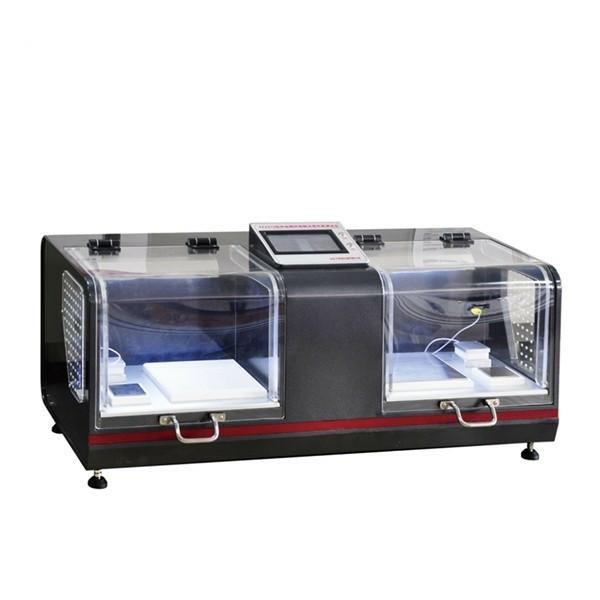
Principle of Heat Transfer Measurement and Thermal Sensation Simulation in Fabric Contact Testing Systems
The working principle of a fabric cooling sensation tester is based on transient heat transfer between a heated surface and a textile sample. When human skin comes into contact with a cooler fabric, heat flows from the skin to the fabric, creating an immediate cooling sensation. The tester replicates this condition using a controlled heating plate that simulates skin temperature, typically maintained at a constant physiological level. During testing, the fabric sample is placed in direct contact with the heated plate, and sensors measure the rate of heat loss over a defined time period. The initial heat flux is the most critical parameter, as it determines the intensity of the cooling sensation felt within the first few seconds of contact. A higher heat transfer rate corresponds to a stronger cooling feeling.
Although thermal comfort testing is primarily focused on heat transfer rather than mechanical energy, the underlying principle of energy exchange is essential to understanding how fabrics interact with human skin. The tester captures this energy transfer process in a controlled environment, allowing engineers to quantify subjective sensations in objective terms. Advanced systems also measure additional parameters such as thermal conductivity, contact resistance, and temperature decay curves. These data points help build a comprehensive profile of how a fabric behaves during the initial phase of skin contact, which is the most important period for perceived cooling comfort.
Structural Design and Functional Components of Fabric Cooling Sensation Testing Equipment
A fabric cooling sensation tester typically consists of a temperature-controlled heating unit, precision sensor array, sample holding mechanism, and digital data acquisition system. The heating unit is designed to simulate human skin temperature with high stability and uniformity, ensuring consistent test conditions across multiple measurements. The sensor system plays a critical role in capturing real-time heat flow data. High-sensitivity thermocouples or infrared sensors are embedded within the heating plate to monitor temperature changes at the interface between the fabric and the simulated skin surface. This allows the system to calculate heat flux with high accuracy.
The sample clamping mechanism ensures that the fabric remains in consistent contact with the heating surface during testing. Pressure control is also important, as different levels of contact force can significantly affect thermal transfer rates. Some advanced testers allow adjustable pressure settings to simulate different wearing conditions. The data acquisition and analysis system processes temperature and heat flow signals and converts them into standardized cooling sensation indices. These results are displayed in real time and stored for comparison across different fabric types. Many modern systems also support software-based analysis, allowing researchers to visualize cooling curves and compare performance trends across material groups.
Humidity control may also be integrated in some advanced models, as moisture content can significantly affect thermal perception. Wet or sweat-absorbing fabrics behave differently from dry fabrics, and accurate testing requires environmental control to replicate real usage conditions.
Applications in Sportswear, Functional Textiles, and Consumer Comfort Evaluation Industries
The fabric cooling sensation tester is widely used in the development and quality control of sportswear and activewear. Athletes generate significant body heat during physical activity, making thermal comfort a critical factor in performance apparel design. Fabrics that provide rapid cooling sensation help regulate body temperature and improve wearer comfort during exercise.
In outdoor apparel, cooling performance is equally important, especially in hot and humid environments. Jackets, shirts, and base layers designed for hiking, climbing, or military use must effectively dissipate heat to prevent overheating. The tester helps manufacturers evaluate whether new materials meet these functional requirements before mass production.
In bedding and home textiles, cooling sensation is a key selling point for products designed for warm climates or seasonal use. Sheets, pillowcases, and mattress covers with cooling properties improve sleep comfort by reducing heat accumulation during rest. The tester provides objective data to support product claims and guide material selection.
Medical textiles also benefit from cooling performance evaluation. Hospital bedding, rehabilitation garments, and protective clothing often require controlled thermal properties to maintain patient comfort. The tester ensures that materials meet strict comfort and safety standards. In addition, textile research institutions and fiber manufacturers use the tester to develop new cooling technologies. By comparing different fiber structures, surface treatments, and finishing processes, engineers can optimize fabric performance for specific applications.
Standardization, Data Interpretation, and Textile Engineering Quality Control Processes
Cooling sensation testing is often governed by standardized methods that define testing temperature, contact pressure, duration, and environmental conditions. These standards ensure that results are consistent and comparable across laboratories and manufacturers. Data interpretation focuses on analyzing the initial heat flux peak, steady-state heat transfer rate, and cooling curve slope. The initial peak is particularly important because it corresponds directly to the immediate sensation experienced by human skin. Fabrics with high initial heat transfer rates are generally perceived as cooler.
Manufacturers also use cooling sensation data for product classification and grading. Fabrics can be ranked based on their thermal comfort performance, allowing designers to select materials that meet specific product requirements. This data-driven approach replaces traditional subjective hand-feel evaluation with scientific measurement. Quality control processes integrate cooling sensation testing into production workflows. Random sampling from production batches ensures consistency in fabric finishing and material composition. Any deviation in cooling performance may indicate issues in fiber blending, coating application, or finishing processes.
Advanced systems also support digital data integration, enabling long-term tracking of material performance trends. This helps manufacturers maintain consistent product quality and improve research and development efficiency.
Future Development Trends in Smart Textile Testing and Thermal Comfort Simulation Technologies
As textile technology continues to advance, fabric cooling sensation testing is also evolving toward higher precision and more realistic simulation models. One major trend is the integration of multi-sensor systems that combine thermal, moisture, and pressure measurement into a single testing platform. Artificial intelligence is also being introduced to analyze cooling sensation data. By processing large datasets from different fabric types, AI systems can predict cooling performance based on material structure and composition. This reduces development time and improves product innovation efficiency.
Another important development direction is the simulation of dynamic human body conditions. Future testers may incorporate variable temperature profiles, sweating simulation, and motion-based contact models to better replicate real wearing scenarios. Smart textiles with active cooling functions are also driving innovation in testing technology. Fabrics embedded with phase-change materials or conductive fibers require more advanced measurement techniques to evaluate their dynamic thermal response.
In the long term, fabric cooling sensation testers will become part of integrated comfort evaluation systems that combine thermal, moisture, tactile, and breathability testing. This holistic approach will provide a complete understanding of textile comfort performance under real-life conditions. Overall, the fabric cooling sensation tester plays a vital role in transforming subjective comfort perception into measurable scientific data. By providing accurate and repeatable evaluation of thermal sensation, it supports the development of next-generation functional textiles that enhance human comfort in diverse environments.