

What is Carpet Dynamic Load Tester?
The Carpet Dynamic Load Tester is a laboratory instrument designed to evaluate the performance and durability of carpets and textile floor coverings under repeated mechanical loading. It simulates real-world conditions where carpets are subjected to continuous pressure from foot traffic, furniture weight, and rolling loads over long periods of use. By applying controlled dynamic force to a carpet sample, the equipment helps manufacturers and quality control laboratories assess how well the material maintains its structural integrity, appearance, and thickness after prolonged stress exposure.
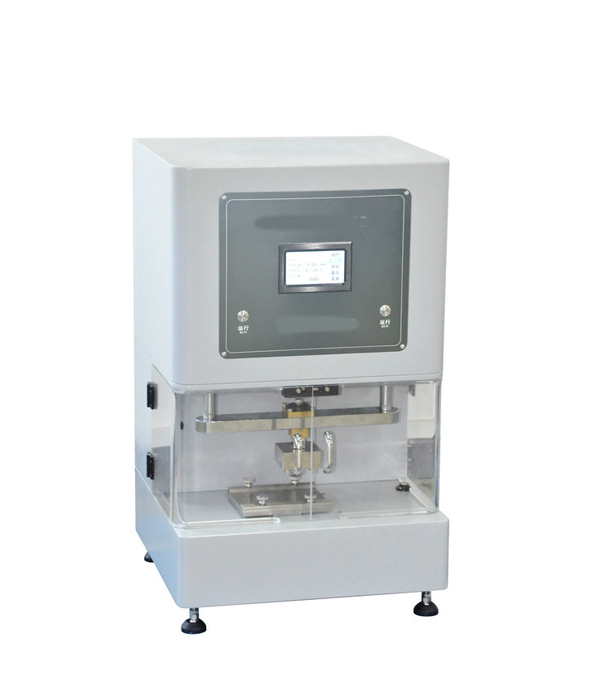
Structural Design and Mechanical Operation of Carpet Dynamic Load Testing Equipment in Laboratory Conditions
The Carpet Dynamic Load Tester typically consists of a loading system, a motion control mechanism, a sample platform, and a measurement unit. The sample is securely fixed on a flat base to ensure consistent testing conditions. A dynamic loading head, often fitted with a standardized foot or roller, moves vertically or cyclically to apply pressure to the carpet surface. The load magnitude, frequency, and number of cycles can be adjusted depending on specific testing requirements and relevant international standards.
During operation, the machine simulates repetitive stress by continuously pressing and releasing the load on the carpet surface. Some models replicate walking patterns by combining vertical pressure with horizontal movement, while others focus on static cyclic compression to simulate furniture placement. High-precision sensors measure thickness reduction, compression depth, and recovery rate. The data collected during testing provides a detailed profile of how the carpet behaves under long-term mechanical stress.
Key Applications of Carpet Dynamic Load Tester in Textile Flooring and Interior Material Quality Control
The Carpet Dynamic Load Tester is widely used in the textile flooring industry to ensure product durability and performance consistency. Carpet manufacturers rely on this equipment to evaluate how different fiber materials, pile constructions, and backing systems respond to long-term pressure. This is especially important for commercial carpets used in hotels, offices, airports, and public buildings where heavy foot traffic is constant.
In residential flooring applications, the tester helps ensure that carpets maintain comfort and appearance even after years of use. It is used to compare different product grades and determine which designs offer better resilience and resistance to flattening. The instrument is also used in research and development to test new fiber blends, backing materials, and manufacturing techniques aimed at improving durability and reducing maintenance requirements.
Beyond carpets, the tester is sometimes applied to other soft flooring materials such as rugs, artificial turf, and textile mats. In all these applications, dynamic load testing provides essential data for predicting product lifespan and performance under real-world usage conditions.
Importance of Simulating Real-World Foot Traffic and Load Conditions in Carpet Performance Testing
One of the most important aspects of the Carpet Dynamic Load Tester is its ability to simulate real-world usage conditions. Carpets in actual environments are not subjected to single, static forces but rather repeated and varying loads over time. Walking, running, and furniture movement all contribute to gradual material deformation. The tester replicates these conditions in a controlled laboratory setting, allowing manufacturers to predict how a carpet will behave over months or years of use.
This simulation is critical for understanding compression behavior and recovery characteristics. A high-quality carpet should be able to withstand repeated pressure while maintaining its original thickness and appearance. Poor resistance to dynamic loading can result in permanent indentations, matting, and loss of aesthetic appeal. By reproducing these stresses in a controlled way, the instrument provides valuable insight into long-term product performance.
The ability to replicate real-world conditions also helps manufacturers design carpets that are better suited for specific environments. For example, carpets intended for commercial spaces require higher durability than those used in residential settings. Dynamic load testing helps differentiate product categories based on performance under simulated usage conditions.
Role of Carpet Dynamic Load Testing in Product Development and Quality Assurance Processes
In product development, the Carpet Dynamic Load Tester is used to evaluate new material combinations and structural designs. Engineers analyze how changes in fiber type, pile density, and backing construction affect compression resistance and recovery behavior. This allows manufacturers to optimize carpet design for both comfort and durability.
During quality assurance, the tester ensures that production batches meet established performance standards. Even small variations in manufacturing processes can affect carpet density and resilience. Regular testing helps identify inconsistencies early and ensures that finished products maintain uniform quality. This is particularly important for large-scale suppliers who must guarantee consistent performance across different production lots.
The instrument also supports innovation in sustainable flooring materials. As the industry moves toward environmentally friendly products, recycled fibers and eco-based materials are increasingly used in carpet manufacturing. Dynamic load testing helps verify that these sustainable alternatives still meet durability expectations and perform reliably under long-term use.
Operational Considerations and Maintenance Practices for Reliable Testing Results
Proper operation and maintenance of the Carpet Dynamic Load Tester are essential to ensure accurate and repeatable results. The loading system must be calibrated regularly to maintain consistent force application. Any variation in load pressure can significantly affect test outcomes and reduce data reliability. The motion system should also be checked for alignment and smooth operation to ensure uniform contact with the sample surface.
The sample platform must remain clean and level to prevent uneven loading. Dust, fibers, or residue from previous tests can interfere with measurement accuracy. Sensors used for measuring thickness and deformation should be calibrated periodically to ensure precise data collection.
Environmental conditions such as temperature and humidity can also influence carpet behavior, especially for natural fiber materials that are sensitive to moisture. Many testing laboratories maintain controlled environments to reduce variability and ensure consistent test conditions. Proper operator training is also important, as consistent sample preparation and mounting techniques help improve repeatability.
Future Development Trends in Automated Flooring Performance Testing and Smart Material Evaluation Systems
The future of Carpet Dynamic Load Testing is moving toward greater automation, digital integration, and intelligent data analysis. Modern testing systems are increasingly equipped with digital sensors, automated control systems, and real-time monitoring capabilities. This allows for more efficient testing processes and more detailed analysis of material behavior under load. Artificial intelligence and predictive modeling are also becoming important in flooring performance evaluation. By analyzing large sets of test data, AI systems can predict carpet lifespan and performance under different usage scenarios. This helps manufacturers design products more efficiently and reduce development time. Another emerging trend is the integration of dynamic load testing with broader material evaluation systems. Combined testing platforms can now assess abrasion resistance, compression behavior, and surface texture in a single workflow. This integrated approach provides a more comprehensive understanding of carpet performance. As building standards and consumer expectations continue to rise, Carpet Dynamic Load Testers will remain essential tools for ensuring product durability, comfort, and long-term reliability in both commercial and residential flooring applications.