

What is Mask Synthetic Blood Penetration Tester?
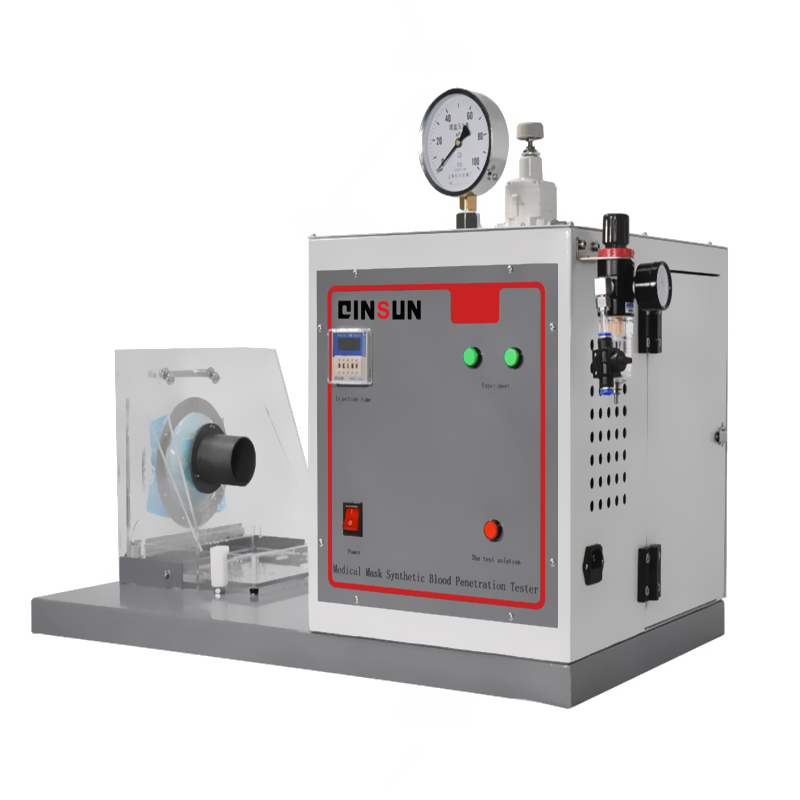
A Mask Synthetic Blood Penetration Tester is a specialized laboratory instrument designed to evaluate the resistance of medical face masks and other protective facial coverings to penetration by synthetic blood under controlled conditions. The equipment simulates situations in which blood or other potentially infectious body fluids may be projected toward healthcare workers during medical procedures, emergency treatment, surgery, or patient care activities. By reproducing these exposure scenarios in a standardized testing environment, the tester helps determine whether a mask can provide an effective barrier against fluid penetration. This assessment is a critical part of medical mask performance evaluation because fluid resistance directly influences the protective capability of the product in healthcare settings where exposure to biological hazards is a significant concern.
The Growing Need for Reliable Protective Equipment in Modern Healthcare Environments
Healthcare professionals regularly encounter situations that involve exposure to blood, bodily fluids, and infectious materials. During surgical procedures, trauma treatment, dental operations, and emergency interventions, fluid splashes can occur unexpectedly and at varying pressures. Medical masks serve as one of the first lines of defense against these hazards, but their effectiveness depends on their ability to resist fluid penetration while maintaining comfort and breathability. As infection control requirements become increasingly stringent, manufacturers must demonstrate that their products meet recognized performance standards. The Mask Synthetic Blood Penetration Tester provides an objective and repeatable method for verifying protective performance, ensuring that healthcare workers receive equipment capable of supporting workplace safety and patient care.
How the Mask Synthetic Blood Penetration Tester Simulates Real-World Exposure Conditions
The testing process is designed to replicate the force and velocity of blood splashes that may occur during medical procedures. During the test, a specified volume of synthetic blood is projected toward the mask specimen at a controlled velocity. The synthetic blood formulation is carefully developed to mimic the surface tension and viscosity characteristics of human blood while providing a safe and consistent testing medium. The mask sample is mounted on a fixture that represents the human facial structure, and the synthetic blood is directed at the mask surface under predefined conditions. After exposure, the inner side of the mask is examined to determine whether penetration has occurred. This simulation provides valuable insight into the mask's ability to act as a protective barrier under realistic working conditions.
Key Components and Features That Ensure Accurate Testing Results
Modern Mask Synthetic Blood Penetration Testers incorporate advanced engineering features that improve testing accuracy and repeatability. Precision pressure systems control the velocity of the synthetic blood stream, ensuring compliance with testing standards and reducing variability between tests. High-quality specimen holders secure the mask in a consistent position throughout the procedure. Automated control systems manage test parameters and timing, minimizing operator influence on results. Some advanced models include digital monitoring functions, pressure verification systems, and data recording capabilities that enhance laboratory efficiency and traceability. These features help laboratories generate reliable results that can be used for product certification, quality control, and research purposes.
Common Testing Standards Used in Medical Mask Evaluation Programs
Medical masks intended for professional healthcare use are typically evaluated according to recognized international standards. Synthetic blood penetration testing forms an important part of these evaluation programs because it measures a critical aspect of protective performance. Testing standards specify parameters such as fluid volume, impact velocity, specimen preparation, environmental conditions, and acceptance criteria. Compliance with these standards helps manufacturers demonstrate that their products meet regulatory requirements and industry expectations. Standardized testing procedures also allow meaningful comparisons between products, enabling healthcare organizations to make informed purchasing decisions based on verified performance data rather than marketing claims alone.
The Role of Synthetic Blood Penetration Testing in Product Development and Innovation
Manufacturers rely on synthetic blood penetration testing throughout the product development process. During the design stage, engineers evaluate different material combinations, layer structures, and manufacturing techniques to achieve the desired balance between protection, comfort, and breathability. Testing helps identify weaknesses in mask construction and provides objective data for design optimization. As new filtration materials and nonwoven technologies emerge, penetration testing remains an essential tool for verifying that innovations maintain or improve protective performance. By incorporating testing into research and development activities, manufacturers can accelerate product improvement while ensuring compliance with healthcare safety requirements.
Applications Beyond Traditional Medical Face Mask Manufacturing
Although the primary application of synthetic blood penetration testing is the evaluation of medical face masks, the technology also supports the development of other protective products. Surgical masks, procedure masks, respirator covers, protective clothing materials, face shields, and specialized healthcare barriers may all benefit from fluid resistance testing. Laboratories involved in material research use penetration testing to investigate the protective properties of innovative fabrics and composite structures. Government agencies, certification bodies, academic institutions, and independent testing organizations also utilize this equipment to support regulatory assessments and scientific studies related to infection prevention and occupational safety.
Advantages of Using a Dedicated Synthetic Blood Penetration Testing System
A dedicated Mask Synthetic Blood Penetration Tester offers several advantages over improvised testing methods. The equipment provides highly controlled test conditions, ensuring that every specimen is exposed to the same fluid volume, velocity, and impact angle. This consistency improves result reliability and supports repeatable performance evaluation across multiple testing cycles. Automated systems reduce operator error and increase laboratory productivity. Standardized testing procedures facilitate compliance with regulatory requirements and simplify product certification processes. By providing objective performance data, the tester helps manufacturers strengthen quality assurance programs and maintain confidence in product performance.
The Importance of Quality Assurance and Regulatory Compliance in Protective Equipment Manufacturing
The production of medical protective equipment is subject to strict quality and regulatory requirements because product failures can have serious consequences for healthcare workers and patients. Synthetic blood penetration testing serves as an important quality control tool that verifies the effectiveness of protective barriers before products reach the market. Manufacturers often perform routine testing on production samples to monitor consistency and detect potential issues related to raw materials or manufacturing processes. Regulatory authorities and certification organizations may require penetration testing as part of product approval programs. Reliable testing data helps manufacturers demonstrate compliance, reduce liability risks, and maintain trust among healthcare professionals and purchasing organizations.
Technological Developments Improving Testing Efficiency and Laboratory Productivity
Advancements in laboratory instrumentation continue to improve the capabilities of Mask Synthetic Blood Penetration Testers. Modern systems feature digital interfaces, programmable testing parameters, automated pressure regulation, and integrated data management functions. Some instruments offer electronic reporting systems that simplify documentation and support laboratory accreditation requirements. Enhanced sensor technology improves measurement accuracy, while automated calibration features reduce maintenance complexity. These innovations help laboratories increase testing throughput while maintaining high standards of precision and reliability. As healthcare product requirements become more demanding, testing equipment manufacturers continue to develop solutions that support efficient and accurate performance evaluation.
Future Trends in Medical Protective Equipment Testing and Performance Assessment
The future of synthetic blood penetration testing is closely linked to ongoing developments in healthcare protection and infection control. New mask materials, advanced filtration technologies, and sustainable manufacturing approaches will create additional demands for comprehensive performance evaluation. Testing systems are expected to become more automated, data-driven, and integrated with digital quality management platforms. Artificial intelligence may assist laboratories in analyzing test results and identifying performance trends. Increased global attention to pandemic preparedness and healthcare worker safety will likely drive greater investment in testing infrastructure and product certification programs. As a result, synthetic blood penetration testing will continue to play a central role in ensuring the effectiveness of protective equipment.
Conclusion: A Critical Tool for Verifying the Protective Performance of Medical Masks
The Mask Synthetic Blood Penetration Tester is an essential instrument for evaluating the fluid resistance performance of medical face masks and related protective products. By simulating realistic blood splash scenarios under controlled laboratory conditions, the equipment provides reliable data on a mask’s ability to prevent fluid penetration and support infection control efforts. Its applications extend from product development and quality assurance to regulatory compliance and scientific research. With the continued growth of healthcare safety requirements and the ongoing evolution of protective equipment technologies, synthetic blood penetration testing remains a vital component of modern medical product evaluation. Through accurate, standardized, and repeatable testing, the instrument helps ensure that healthcare professionals have access to protective equipment capable of performing effectively in demanding clinical environments.