

What is Fabric UV resistance tester?
As textiles are increasingly used in outdoor environments, their ability to withstand prolonged exposure to sunlight has become a critical performance requirement. Ultraviolet radiation is one of the most damaging components of sunlight and can gradually deteriorate fabric properties over time. Continuous UV exposure may cause fading, discoloration, strength loss, fiber degradation, reduced elasticity, and overall deterioration of textile products. Fabrics used in outdoor apparel, sportswear, awnings, umbrellas, automotive interiors, protective clothing, and outdoor furniture are particularly vulnerable to ultraviolet damage. To ensure long-term product durability and maintain performance standards, manufacturers rely on Fabric UV Resistance Testers to evaluate how materials respond to accelerated UV exposure under controlled laboratory conditions. These instruments provide valuable insights into fabric longevity and help manufacturers develop products capable of performing reliably throughout their intended service life.
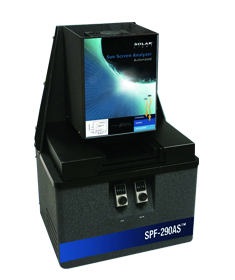
What a Fabric UV Resistance Tester Is and How It Functions in Laboratory Testing
A Fabric UV Resistance Tester is a specialized testing instrument designed to simulate the effects of ultraviolet radiation on textile materials. The equipment exposes fabric specimens to controlled UV light sources that replicate the ultraviolet wavelengths found in natural sunlight. During testing, fabrics are subjected to specific combinations of UV radiation, temperature, humidity, and exposure duration depending on the testing objectives and applicable standards. The accelerated exposure conditions allow researchers and quality control professionals to observe material degradation within a much shorter period than would be required under natural outdoor conditions. After testing, various fabric properties such as color stability, tensile strength, appearance, elasticity, and surface integrity can be evaluated to determine the material’s resistance to ultraviolet aging. This process enables manufacturers to predict long-term outdoor performance and identify potential weaknesses before products reach consumers.
The Scientific Principles Behind Ultraviolet-Induced Fabric Degradation
Ultraviolet radiation contains sufficient energy to break chemical bonds within textile fibers and dyes. When fabrics absorb UV energy, photochemical reactions occur that gradually alter the molecular structure of the material. These reactions may cause polymer chains to weaken, pigments to fade, and protective finishes to deteriorate. Natural fibers such as cotton, wool, and silk can experience changes in strength and appearance, while synthetic fibers such as polyester, nylon, and polypropylene may undergo embrittlement or surface degradation under prolonged exposure. Environmental factors including heat, oxygen, and moisture often accelerate these degradation processes. Fabric UV Resistance Testers reproduce these conditions in a controlled manner, allowing manufacturers to study the effects of ultraviolet radiation and better understand how materials will behave during long-term outdoor use.
Key Components That Ensure Accurate and Repeatable UV Resistance Evaluation
Modern Fabric UV Resistance Testers incorporate several critical components that work together to create reliable testing conditions. The ultraviolet light source is the core element of the system and is designed to generate stable radiation with wavelengths similar to natural sunlight. The specimen holder positions fabric samples at a specified distance from the light source to ensure uniform exposure. Temperature control systems maintain consistent environmental conditions throughout the testing process, while humidity control systems may be included to simulate realistic outdoor environments. Advanced monitoring sensors continuously measure irradiance levels, temperature, and other critical parameters to ensure testing accuracy. Programmable control systems allow users to establish customized testing cycles and automatically record operating data. These integrated technologies help produce highly repeatable results that can be compared across laboratories and testing programs.
Industries That Depend on Fabric UV Resistance Testing for Product Quality Assurance
Fabric UV Resistance Testers are widely used across numerous industries where textile products are exposed to sunlight during normal use. Outdoor apparel manufacturers utilize UV testing to evaluate the durability of jackets, sportswear, swimwear, and hiking equipment. Producers of patio furniture and outdoor furnishings assess upholstery fabrics to ensure long-term color retention and structural integrity. Automotive manufacturers test seat fabrics, interior trim materials, and sunshade textiles that experience continuous exposure through vehicle windows. The marine industry evaluates fabrics used in boat covers, sails, and seating systems that operate in particularly harsh sunlight conditions. Architectural textile manufacturers test awnings, canopies, shade structures, and outdoor decorative fabrics to verify their resistance to environmental aging. The widespread use of UV resistance testing reflects the growing importance of durability and performance in modern textile applications.
Evaluating Critical Fabric Properties After Ultraviolet Exposure Testing
The effectiveness of a fabric's UV resistance is determined by comparing its characteristics before and after exposure testing. One of the most commonly evaluated properties is colorfastness, which measures the fabric’s ability to maintain its original appearance despite prolonged UV exposure. Tensile strength testing helps determine whether the fabric has experienced structural weakening due to ultraviolet degradation. Surface appearance assessments identify issues such as cracking, chalking, fiber breakage, or texture changes. Elasticity measurements may be conducted on stretch fabrics to evaluate the retention of flexibility and recovery performance. In some cases, researchers also examine microscopic changes in fiber structure to gain deeper insights into degradation mechanisms. By analyzing these various performance indicators, manufacturers can make informed decisions regarding material selection, product design, and quality improvement initiatives.
The Role of UV Resistance Testing in Developing High-Performance Outdoor Textiles
As consumer expectations for outdoor products continue to increase, manufacturers are investing heavily in the development of advanced textile materials with enhanced durability. Fabric UV Resistance Testers play a central role in this innovation process by providing objective data on material performance under accelerated aging conditions. Researchers use these instruments to compare fiber types, dye formulations, protective coatings, and finishing treatments designed to improve UV stability. Testing results help identify the most effective solutions for reducing fading, maintaining mechanical strength, and extending product lifespan. Through continuous evaluation and refinement, manufacturers can develop textiles that perform reliably in demanding outdoor environments while meeting customer expectations for appearance, comfort, and durability.
Compliance with International Standards and Customer Performance Requirements
Many textile products intended for outdoor use must comply with specific industry standards, regulatory requirements, or customer specifications related to UV resistance. Fabric UV Resistance Testers enable manufacturers and testing laboratories to perform evaluations according to recognized testing methods that define exposure conditions, sample preparation procedures, and performance criteria. Standardized testing ensures consistency and comparability of results across different organizations and geographic markets. Compliance testing supports product certification programs, quality assurance systems, and contractual performance requirements. By demonstrating that fabrics meet established UV resistance criteria, manufacturers can strengthen customer confidence and facilitate market acceptance of their products in competitive global industries.
Technological Innovations Improving the Accuracy and Efficiency of UV Resistance Testing
Advancements in laboratory technology continue to enhance the capabilities of modern Fabric UV Resistance Testers. Improved ultraviolet light sources provide more stable irradiance levels and longer operational lifespans, reducing maintenance requirements and improving testing consistency. Digital control systems allow precise adjustment of testing parameters and support automated operation. Advanced sensors continuously monitor environmental conditions and automatically compensate for variations that could affect test results. Integrated software platforms simplify data collection, analysis, and reporting while improving traceability and documentation accuracy. Remote monitoring capabilities enable laboratory personnel to supervise testing programs more efficiently. These innovations contribute to greater testing precision, higher productivity, and improved confidence in durability assessments.
Future Trends Driving the Evolution of Fabric UV Resistance Testing Technology
The future of fabric UV resistance testing will be shaped by ongoing developments in textile engineering, sustainability initiatives, and performance-driven product design. As manufacturers increasingly adopt recycled fibers, bio-based materials, and environmentally friendly finishing technologies, comprehensive UV durability evaluation will remain essential for verifying long-term performance. Testing equipment is expected to incorporate greater automation, artificial intelligence-assisted data analysis, and enhanced environmental simulation capabilities. Researchers may develop testing methods that more accurately replicate complex outdoor exposure conditions involving combinations of ultraviolet radiation, temperature fluctuations, humidity, and pollution. These advancements will help manufacturers predict product performance more accurately and accelerate the development of next-generation textile solutions.
Conclusion: A Critical Tool for Ensuring Long-Term Fabric Durability in Outdoor Applications
The Fabric UV Resistance Tester is an indispensable instrument for evaluating the ability of textile materials to withstand the damaging effects of ultraviolet radiation. By simulating years of outdoor exposure within a controlled laboratory environment, the equipment enables manufacturers to assess durability, predict service life, and improve product quality before materials reach the marketplace. Its applications extend across apparel, automotive, furniture, marine, architectural, and industrial textile sectors, where long-term performance and appearance retention are essential. As outdoor textile applications continue to expand and customer expectations become increasingly demanding, UV resistance testing will remain a fundamental part of product development and quality assurance. Through accurate and reliable evaluation of fabric aging behavior, Fabric UV Resistance Testers help manufacturers deliver durable, high-performance textile products capable of meeting the challenges of prolonged environmental exposure.