

What is Fabric horizontal burning tester?
A Fabric Horizontal Burning Tester is a specialized laboratory instrument used to evaluate the flammability characteristics of textile materials when exposed to a controlled ignition source. The equipment measures how quickly a fabric burns, how far the flame spreads, and whether the material continues burning after the ignition source is removed. Flammability testing has become increasingly important as textiles are widely used in clothing, furniture, transportation interiors, industrial products, protective equipment, and various consumer goods. Since fabrics can present fire hazards under certain conditions, manufacturers must ensure that their products comply with safety regulations and performance standards before entering the market. The Fabric Horizontal Burning Tester provides a reliable and standardized method for assessing the burning behavior of textile materials, helping manufacturers improve product safety and reduce fire-related risks.
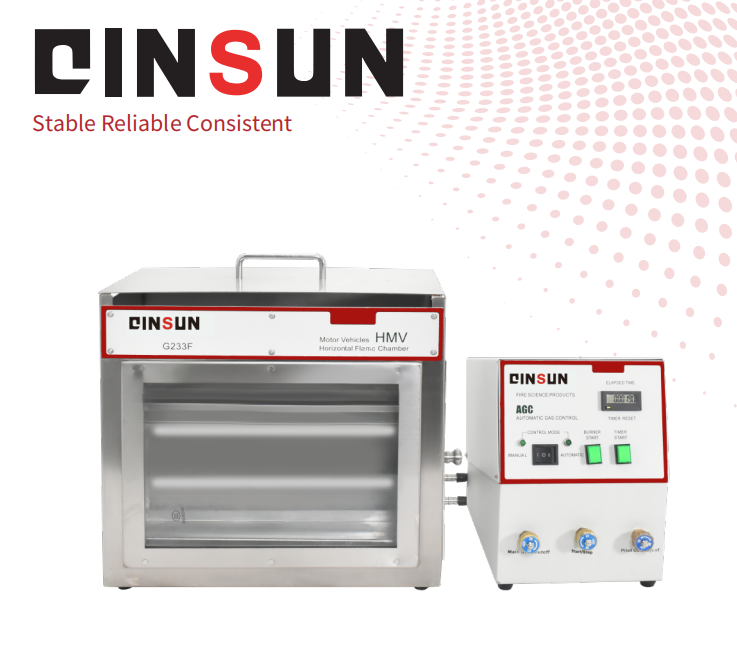
How the Fabric Horizontal Burning Tester Simulates Realistic Fire Exposure Conditions
The Fabric Horizontal Burning Tester operates by positioning a fabric specimen horizontally within a controlled test chamber and exposing it to a specified flame source for a predetermined period. After ignition, the flame source is removed, and the burning characteristics of the fabric are carefully observed and measured. Parameters such as flame spread rate, after-flame time, after-glow time, and damaged length may be recorded depending on the testing standard being followed. The horizontal orientation allows researchers and quality control personnel to evaluate how fire propagates across the fabric surface under controlled conditions. By maintaining consistent testing parameters, the equipment produces repeatable and comparable results that can be used to assess material performance, verify compliance with standards, and support product development activities.
Key Components That Ensure Accurate and Repeatable Flammability Measurements
A modern Fabric Horizontal Burning Tester consists of several essential components designed to ensure testing accuracy and reliability. The combustion chamber provides a controlled environment that minimizes external influences such as drafts and air turbulence. A precision burner generates a stable flame with specified dimensions and intensity according to applicable standards. The specimen holder securely positions the fabric sample in the correct orientation throughout the test. Timing devices accurately record ignition periods and flame propagation times, while measurement scales assist in determining burn distances and damaged areas. Advanced models may include digital control systems, automated timing functions, and data recording capabilities that improve testing efficiency and reduce operator variability. Together, these components create a consistent testing environment that supports dependable flammability evaluations.
The Wide Range of Textile Products That Require Horizontal Burning Evaluation
Fabric flammability testing is relevant to numerous textile applications where fire safety is an important consideration. Apparel manufacturers use horizontal burning tests to evaluate fabrics intended for everyday clothing, workwear, uniforms, and specialty garments. Furniture manufacturers assess upholstery fabrics and decorative textiles to ensure compliance with safety requirements. Transportation industries use flammability testing for materials installed in automobiles, trains, aircraft, and marine vessels, where passenger safety is a critical concern. Industrial textile producers evaluate materials used in protective covers, insulation products, filtration systems, and technical fabrics. Educational institutions, research laboratories, and testing organizations also utilize Fabric Horizontal Burning Testers to study combustion behavior and develop improved fire-resistant materials. The broad application of these tests highlights their importance across a variety of industries where textile safety is a priority.
Why Flammability Testing Has Become Increasingly Important in Modern Manufacturing
Consumer awareness of product safety has grown significantly over recent decades, leading to stricter regulations and higher expectations regarding fire performance. Governments and regulatory organizations worldwide have introduced flammability requirements for many categories of textile products to reduce the risk of fire-related injuries and property damage. Manufacturers must demonstrate compliance with these requirements before products can be legally sold in many markets. Fabric Horizontal Burning Testers provide an efficient and standardized means of generating the data required for certification and quality assurance. Beyond regulatory compliance, flammability testing helps manufacturers identify potential hazards during product development, improve material formulations, and enhance overall product performance. The ability to evaluate fire behavior before products reach consumers contributes significantly to public safety and corporate responsibility.
Important Test Parameters Used to Evaluate Fabric Burning Characteristics
The results generated by a Fabric Horizontal Burning Tester provide valuable information about how a textile material behaves when exposed to fire. Burn rate is one of the most commonly measured parameters and indicates the speed at which flames travel across the specimen surface. After-flame time measures how long the fabric continues burning after the ignition source is removed. After-glow time evaluates the duration of smoldering combustion that may remain after visible flames disappear. Damaged length or char length helps determine the extent of material destruction caused by burning. These measurements allow manufacturers and testing laboratories to compare different materials, evaluate treatment effectiveness, and determine whether products meet applicable performance criteria. The combination of multiple performance indicators provides a comprehensive understanding of textile flammability behavior.
Supporting the Development of Fire-Resistant and Flame-Retardant Textile Materials
One of the most important applications of the Fabric Horizontal Burning Tester is supporting the development of safer textile products. Manufacturers continuously seek new methods to improve fire resistance while maintaining comfort, appearance, durability, and cost-effectiveness. Researchers use horizontal burning tests to compare raw materials, evaluate flame-retardant treatments, and optimize fabric constructions. The testing process helps identify which combinations of fibers, coatings, and finishing technologies provide the best balance between fire performance and other product requirements. As industries such as transportation, construction, defense, and industrial safety demand increasingly advanced textile solutions, flammability testing plays a crucial role in guiding innovation and supporting the development of next-generation fire-resistant materials.
Compliance with International Standards and Industry-Specific Testing Requirements
Fabric Horizontal Burning Testers are commonly used to perform evaluations according to internationally recognized testing standards and industry-specific specifications. Different standards may define specimen dimensions, ignition procedures, exposure times, environmental conditions, and performance criteria depending on the intended application of the material. Compliance with these standards allows manufacturers to demonstrate that their products satisfy regulatory requirements and customer expectations. Standardized testing procedures also facilitate comparison of results among different laboratories and organizations, promoting consistency throughout the industry. The ability to perform tests according to recognized standards makes the Fabric Horizontal Burning Tester an essential tool for certification programs, quality assurance systems, and product qualification activities.
Technological Advancements Improving Efficiency and Precision in Flammability Testing
As laboratory technologies continue to evolve, modern Fabric Horizontal Burning Testers are becoming more sophisticated and user-friendly. Digital control systems improve operational accuracy and simplify test setup procedures. Automated timing functions reduce human error and increase result consistency. High-resolution sensors and advanced monitoring systems provide more precise measurements of burning behavior. Integrated software platforms enable automatic data collection, storage, analysis, and report generation, improving laboratory efficiency and traceability. Some advanced systems also incorporate enhanced safety features that protect operators while maintaining testing accuracy. These technological improvements allow laboratories to process larger testing volumes while achieving higher levels of precision and reliability.
Future Trends Shaping the Role of Fabric Horizontal Burning Testers in Textile Safety Assessment
The future of textile flammability testing is expected to be influenced by ongoing developments in materials science, sustainability initiatives, and evolving safety regulations. As manufacturers increasingly adopt innovative fibers, recycled materials, and environmentally friendly flame-retardant technologies, comprehensive flammability evaluation will become even more important. Testing equipment will likely incorporate greater automation, intelligent data analysis capabilities, and enhanced connectivity with laboratory management systems. Researchers may also develop more advanced testing methods that better simulate real-world fire scenarios while maintaining standardized evaluation procedures. As global demand for safer textile products continues to grow, Fabric Horizontal Burning Testers will remain essential instruments for ensuring compliance, supporting innovation, and improving public safety.
Conclusion: An Essential Tool for Evaluating Textile Fire Performance and Safety
The Fabric Horizontal Burning Tester is a critical instrument for assessing the flammability characteristics of textile materials under controlled laboratory conditions. By providing standardized and repeatable measurements of burning behavior, it helps manufacturers, researchers, and testing organizations evaluate fire performance, meet regulatory requirements, and develop safer products. Its applications span numerous industries, including apparel, furniture, transportation, industrial textiles, and protective equipment. As safety standards become more demanding and textile technologies continue to advance, the importance of reliable flammability testing will only increase. Through accurate assessment of fabric burning characteristics, the Fabric Horizontal Burning Tester contributes significantly to product quality, regulatory compliance, and the protection of people and property from fire-related hazards.