

Martindale Abrasion Tester for Fabric & Textile Durability: A Case Study from Lithuania's Utenos Trikotažas
Lithuania has long maintained a strong reputation within the European textile sector, particularly in the production of knitwear, functional garments, and private-label apparel for international brands. One of the country's most respected textile manufacturers is Utenos Trikotažas, a company located in the northeastern region of Lithuania. Known for producing sustainable knitwear and high-quality textile products for European markets, the company faces increasing demands from customers who expect garments to maintain their appearance and performance after prolonged use.
Several years ago, Utenos Trikotažas encountered a growing challenge related to fabric durability. While the company had already implemented comprehensive quality control procedures, customer expectations regarding wear resistance had become increasingly stringent. Retailers supplying premium clothing collections wanted assurance that fabrics could withstand repeated friction during daily use without significant pilling, surface damage, or fiber degradation.
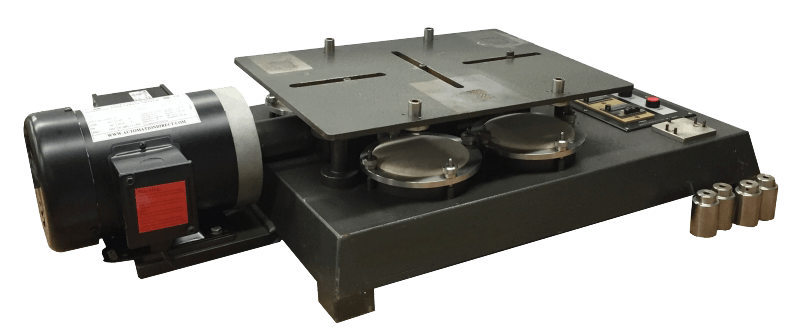
To address these concerns, the company expanded its laboratory capabilities by incorporating a Martindale Abrasion Tester for Fabric & Textile Durability into its material evaluation process. Although abrasion testing had previously been outsourced to external laboratories, bringing the testing capability in-house allowed engineers and quality specialists to obtain faster results and make more informed decisions during product development.
Understanding the Role of the Martindale Abrasion Tester in Textile Evaluation
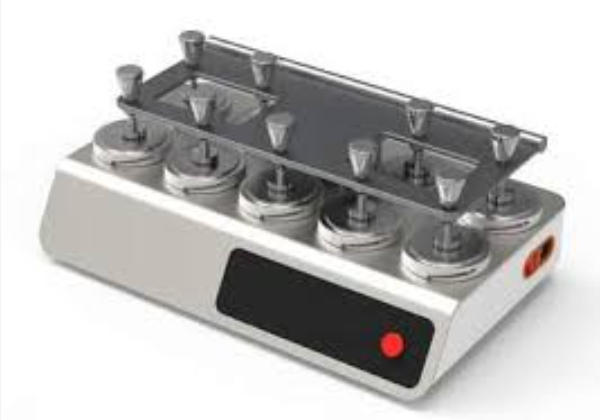
The Martindale Abrasion Tester is one of the most widely recognized instruments used to assess the abrasion resistance and durability of textile materials. The principle behind the equipment is relatively straightforward. Fabric specimens are subjected to controlled rubbing motions against standard abrasive materials under specified pressure conditions. This movement replicates the friction that fabrics experience during normal use.
As the test progresses, the instrument evaluates how well the fabric resists wear, surface deterioration, fiber breakage, and appearance changes. Depending on the testing objective, operators may measure the number of abrasion cycles required before visible damage occurs or assess changes in mass, thickness, or surface characteristics after a predetermined number of cycles.
For manufacturers such as Utenos Trikotažas, this testing method provides valuable insight into how fabrics are likely to perform throughout their service life. Instead of waiting months or years for real-world wear patterns to emerge, engineers can obtain meaningful durability data within a controlled laboratory environment.
Why Fabric Durability Became a Strategic Priority for the Company
The European apparel market has experienced significant changes in recent years. Consumers increasingly expect garments to offer not only comfort and style but also long-term durability. Fast fashion criticism has encouraged many brands to focus on sustainability, promoting products that remain functional and attractive for longer periods.
As a supplier serving various European fashion labels, Utenos Trikotažas recognized that durability had become a competitive advantage rather than simply a technical requirement. Buyers were requesting detailed test reports covering abrasion resistance, pilling behavior, dimensional stability, colorfastness, and other performance characteristics before approving fabric selections.
Particularly for knitwear products, abrasion resistance was a critical concern. Fabrics used in sweaters, casual wear, sports apparel, and children's clothing frequently encounter friction from body movement, accessories, furniture surfaces, and repeated laundering. Poor abrasion performance could lead to customer dissatisfaction, product returns, and reputational damage.
The implementation of Martindale testing therefore became an important component of the company's broader strategy to improve product quality and strengthen customer confidence.
Establishing an Internal Textile Testing Laboratory
Before acquiring the Martindale Abrasion Tester, many durability evaluations required coordination with independent testing laboratories located in other European countries. While these services provided reliable results, they often extended product development timelines and increased testing costs.
The company decided to establish a more comprehensive internal laboratory capable of supporting fabric development projects from concept to production approval. The Martindale Abrasion Tester became one of the central instruments within this facility.
Laboratory technicians received training on international testing procedures and standardized operating methods. Testing protocols were aligned with customer requirements and widely recognized textile standards. Fabric samples from various production batches could now be evaluated immediately after manufacturing, allowing quality issues to be identified much earlier in the development process.
This change significantly reduced response times when customers requested performance verification for new fabric constructions or material blends.
How the Testing Process Was Integrated into Product Development
The introduction of Martindale testing transformed several aspects of the company's product development workflow. Instead of relying primarily on historical material performance data, engineers began incorporating abrasion testing into the early stages of fabric design.
Whenever a new yarn composition, knitting structure, finishing treatment, or dyeing process was proposed, laboratory personnel conducted abrasion resistance evaluations before large-scale production commenced. Multiple fabric variants could be compared objectively under identical testing conditions.
In one project involving sustainable knitwear, the company experimented with several blends containing organic cotton and recycled fibers. While each option met environmental objectives, significant differences emerged during abrasion testing. Some blends exhibited excellent softness but lower wear resistance, while others maintained superior durability without compromising comfort.
The Martindale Abrasion Tester provided quantitative data that helped engineers balance sustainability goals with long-term product performance requirements.
Measurable Improvements in Product Quality and Customer Satisfaction
Within the first year of implementation, the company observed several notable improvements. Fabric batches demonstrating marginal abrasion resistance could be identified before shipment, reducing the likelihood of customer complaints related to premature wear.
Design teams gained greater confidence when introducing innovative materials because durability performance could be verified through laboratory testing. Product development cycles became more efficient, as engineers no longer needed to wait for external laboratory reports before making material selection decisions.
Several international customers also expressed appreciation for the company's enhanced testing capabilities. Detailed abrasion resistance reports became a valuable addition to technical documentation provided during fabric qualification processes.
Although abrasion testing alone could not guarantee product success, it contributed to a broader culture of quality assurance that strengthened the company's reputation among apparel brands seeking reliable manufacturing partners.
The Technical Advantages of the Martindale Method
One reason the Martindale Abrasion Tester remains widely used throughout the textile industry is its ability to simulate multidirectional wear patterns. Unlike certain testing methods that apply friction in a single direction, the Martindale motion creates a complex rubbing path that more closely resembles real-world fabric usage.
This characteristic makes the test particularly suitable for apparel textiles, upholstery fabrics, workwear materials, and technical textiles. The method provides highly repeatable results when performed according to standardized procedures, allowing manufacturers to compare performance across different materials and production batches.
For Utenos Trikotažas, the consistency of the Martindale method was especially valuable. Because the company serves multiple customers with varying technical specifications, having a universally recognized testing approach simplified communication and facilitated product approval processes.
The Growing Importance of Durability in Sustainable Textile Manufacturing
Sustainability has become one of the defining trends within the global textile industry. Consumers, regulators, and retailers increasingly expect manufacturers to reduce environmental impacts while extending product lifespans.
In this context, durability testing plays a critical role. A garment that remains functional and attractive for many years generally has a lower environmental footprint than one requiring frequent replacement. Abrasion resistance therefore contributes directly to sustainability objectives by supporting longer product life cycles.
At Utenos Trikotažas, durability testing became closely linked with sustainability initiatives. Engineers recognized that environmentally friendly materials must also deliver sufficient performance to satisfy customer expectations. The Martindale Abrasion Tester helped ensure that sustainability goals did not come at the expense of product longevity.
This perspective reflects a broader industry shift toward evaluating both environmental responsibility and technical performance as complementary objectives rather than competing priorities.
Future Trends Shaping Abrasion Testing Technology
As textile technology continues to evolve, abrasion testing equipment is also becoming more sophisticated. Future Martindale systems are expected to incorporate enhanced automation, digital monitoring, and advanced data analysis capabilities.
Modern laboratories increasingly seek integrated testing platforms that automatically collect performance data, generate reports, and store historical records for quality management purposes. Real-time monitoring systems may provide more detailed information regarding wear progression throughout the testing cycle rather than simply evaluating final results.
Artificial intelligence and predictive analytics could also influence the future of textile durability assessment. By combining abrasion test data with material composition information and field performance records, manufacturers may eventually predict long-term fabric behavior with greater accuracy.
In addition, the growing popularity of smart textiles, functional apparel, and recycled fiber materials will create new testing requirements. Abrasion resistance evaluation may expand beyond traditional appearance assessment to include monitoring of conductive fibers, embedded sensors, protective coatings, and other advanced textile features.
Why Martindale Testing Will Remain Essential for Textile Manufacturers
Despite ongoing technological advancements, the fundamental need to evaluate fabric durability is unlikely to diminish. Consumers continue to expect products that maintain their quality throughout extended periods of use, while brands increasingly view durability as a key element of sustainability and customer satisfaction.
The experience of Utenos Trikotažas illustrates how a relatively specialized laboratory instrument can generate substantial value when integrated effectively into product development and quality control processes. By providing objective, repeatable, and internationally recognized durability data, the Martindale Abrasion Tester helps manufacturers make informed decisions regarding materials, production methods, and product performance.
As textile markets become more competitive and quality expectations continue to rise, abrasion testing will remain a vital component of modern textile engineering. Companies that invest in comprehensive durability evaluation capabilities will be better positioned to develop reliable products, support sustainability initiatives, and meet the evolving demands of customers worldwide.
Conclusion
The adoption of a Martindale Abrasion Tester by Lithuania's Utenos Trikotažas demonstrates how advanced textile testing equipment can strengthen product quality, improve development efficiency, and support long-term business growth. Through systematic abrasion resistance evaluation, the company gained deeper insight into fabric performance and enhanced its ability to deliver durable textile products to international markets.
As sustainability, innovation, and consumer expectations continue to shape the textile industry, the importance of reliable durability testing will only increase. The Martindale Abrasion Tester remains one of the most effective tools available for understanding fabric wear behavior, making it an indispensable asset for textile manufacturers committed to producing high-quality products that stand the test of time.