

What is Seatbelt Fabric Pilling Tester?
Seatbelts are among the most important safety components in any vehicle. Their primary function is to restrain occupants during sudden braking, collisions, or other emergency situations, significantly reducing the risk of injury. While strength and load-bearing performance are the most commonly discussed characteristics of seatbelt webbing, surface durability is also a critical factor that directly influences product quality, comfort, appearance, and long-term reliability. Throughout the lifespan of a vehicle, seatbelt fabrics are subjected to constant friction caused by repeated pulling, retraction, contact with clothing, interaction with seat structures, and everyday use by passengers. Over time, these mechanical actions can lead to pilling, a phenomenon in which small fiber balls or fuzz form on the fabric surface. To evaluate and control this issue, manufacturers use a specialized laboratory instrument known as a Seatbelt Fabric Pilling Tester. This equipment helps determine how well seatbelt materials resist surface wear and maintain their appearance and performance during extended service.
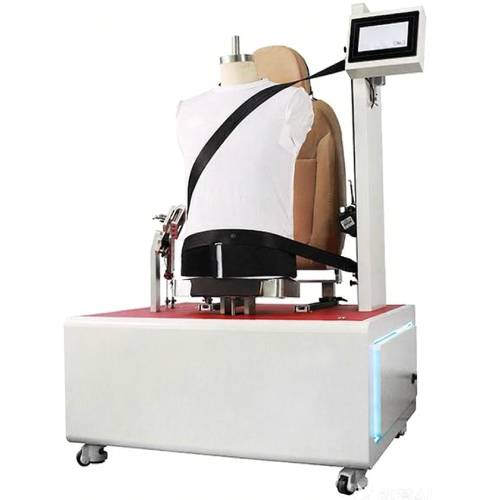
Defining a Seatbelt Fabric Pilling Tester and Its Primary Testing Purpose
A Seatbelt Fabric Pilling Tester is a textile testing instrument designed to evaluate the tendency of seatbelt webbing materials to develop pills, fuzz, or surface deterioration when exposed to repeated friction and abrasion. The tester simulates the rubbing and wear conditions that seatbelt fabrics experience during actual vehicle use. By reproducing these mechanical actions under controlled laboratory conditions, manufacturers can assess the durability of fabric surfaces and compare the performance of different materials, weaving structures, and finishing treatments. The primary objective is not only to maintain an attractive appearance but also to ensure that the fabric retains its structural integrity throughout years of operation. Excessive pilling may indicate weak fiber cohesion, poor abrasion resistance, or inadequate manufacturing quality, all of which can affect customer perception and potentially influence long-term product performance.
How Pilling Develops on Seatbelt Fabrics During Daily Vehicle Operation
Pilling occurs when loose fibers on a textile surface become entangled due to friction and movement. In the case of seatbelt webbing, this process can be accelerated by repeated pulling of the belt during fastening and release, continuous movement against clothing materials, and contact with vehicle interior components. As fibers protrude from the fabric surface, they begin to intertwine and form small balls or clusters known as pills. Environmental factors such as temperature changes, humidity, dust accumulation, and ultraviolet exposure may also influence the rate of surface degradation. Although pilling does not necessarily indicate immediate structural failure, excessive surface wear can reduce aesthetic quality and raise concerns regarding material durability. Automotive manufacturers therefore consider pilling resistance an important quality parameter during seatbelt development and production.
The Working Principle Behind Modern Seatbelt Fabric Pilling Testers
The operating principle of a Seatbelt Fabric Pilling Tester is based on controlled friction and repeated mechanical interaction between the test specimen and a designated abrasive surface or testing medium. During testing, seatbelt fabric samples are mounted in holders and subjected to a predetermined number of rubbing cycles under specified pressure conditions. The instrument creates continuous motion that mimics the wear patterns experienced during normal use. Depending on the testing method employed, the fabric may rub against another fabric, a standardized abrasive material, or a specially designed testing surface. After completion of the test cycle, the sample is visually evaluated and compared with standard grading references to determine the degree of pilling and surface damage. This controlled approach enables manufacturers to obtain consistent and repeatable results that support quality control and product development activities.
Key Components That Ensure Accurate and Repeatable Testing Results
A Seatbelt Fabric Pilling Tester consists of several important components that work together to produce reliable test outcomes. The specimen holders securely position fabric samples throughout the testing process and maintain consistent contact conditions. The drive mechanism generates controlled movement according to the selected testing method and cycle requirements. Pressure-loading systems ensure that the specimen experiences a uniform force during abrasion. Timing and cycle-counting devices accurately regulate test duration and monitor the total number of friction cycles performed. Modern systems often incorporate digital controllers, touch-screen interfaces, and programmable testing functions that simplify operation and improve efficiency. The overall design of the instrument focuses on minimizing variability and ensuring that each sample is evaluated under identical conditions, allowing meaningful comparisons between different seatbelt materials.
Why Pilling Resistance Is an Important Quality Indicator for Seatbelt Manufacturers
Although seatbelt performance is primarily associated with tensile strength and occupant protection, surface quality remains a significant consideration for manufacturers and consumers alike. A seatbelt with severe pilling may appear worn, aged, or poorly manufactured even if its mechanical strength remains intact. Since seatbelts are highly visible components within a vehicle interior, their appearance contributes to overall customer perceptions of quality. Excessive surface fuzzing can also affect handling comfort and potentially influence retraction performance if wear becomes severe. By evaluating pilling resistance during product development and production, manufacturers can ensure that seatbelt webbing maintains an acceptable appearance and functional condition throughout its expected service life. This contributes to improved customer satisfaction and reinforces confidence in product quality.
Materials Commonly Evaluated Using Seatbelt Fabric Pilling Testers
Seatbelt webbing is typically manufactured from high-strength synthetic fibers designed to provide exceptional durability and safety performance. Polyester remains one of the most widely used materials due to its excellent strength, abrasion resistance, dimensional stability, and environmental durability. Some specialized applications may incorporate nylon or advanced synthetic fibers to achieve specific performance objectives. Different weaving patterns, yarn structures, dyeing methods, and finishing treatments can significantly influence pilling behavior. Manufacturers use Seatbelt Fabric Pilling Testers to compare these material variations and identify configurations that offer optimal resistance to surface wear. Testing may be performed during raw material evaluation, product development, process optimization, and final quality inspection to ensure consistent performance across production batches.
Applications Beyond Standard Passenger Vehicle Seatbelts
While passenger vehicle seatbelts represent the most common application, pilling testing is also relevant for a wide variety of restraint systems and automotive textile products. Commercial vehicles, buses, trucks, and specialty transportation equipment often utilize heavy-duty restraint systems that experience intensive daily use. Child safety seats and specialized harness systems require durable webbing capable of maintaining both appearance and functionality over extended periods. Aviation restraint systems, industrial safety harnesses, and certain military applications may also involve webbing materials subjected to similar testing procedures. In each case, surface durability contributes to overall product quality and user confidence. The versatility of Seatbelt Fabric Pilling Testers allows manufacturers across multiple industries to evaluate abrasion resistance and surface wear characteristics effectively.
The Role of Pilling Testing in Product Development and Quality Assurance
Product development teams rely on pilling testing to evaluate the effectiveness of new materials, weaving technologies, and finishing processes before commercial production begins. During research and development, engineers may compare multiple fabric constructions to identify designs that provide superior resistance to surface degradation. Production facilities use pilling testing as part of routine quality-control programs to verify consistency between manufacturing batches. Regular testing helps identify process variations that could affect product performance and enables corrective actions before defective materials reach customers. By integrating pilling evaluation into quality management systems, manufacturers can maintain high standards of product reliability while reducing the risk of customer complaints related to appearance or durability concerns.
Industry Standards and Testing Requirements Influencing Fabric Evaluation
Automotive textile manufacturers operate within a framework of industry standards and customer specifications that establish performance requirements for seatbelt materials. These standards often include evaluations of abrasion resistance, surface appearance retention, and durability characteristics. Pilling testing procedures are designed to provide objective and repeatable measurements that support compliance with these requirements. Vehicle manufacturers frequently establish their own internal specifications to ensure consistent quality across supplier networks. Testing laboratories use standardized methods to evaluate seatbelt fabrics under controlled conditions, allowing meaningful comparisons between products and production batches. Compliance with these requirements helps manufacturers demonstrate their commitment to quality, durability, and customer satisfaction.
Future Trends in Seatbelt Fabric Testing and Automotive Textile Development
The automotive industry continues to evolve, and seatbelt materials are advancing alongside broader developments in vehicle design and manufacturing. Modern consumers increasingly expect interior components to maintain their appearance and functionality throughout extended vehicle lifespans. As a result, textile manufacturers are developing new fiber technologies, advanced weaving techniques, and innovative finishing treatments that improve resistance to wear and surface degradation. Seatbelt Fabric Pilling Testers are also becoming more sophisticated, incorporating digital controls, automated evaluation systems, and enhanced data analysis capabilities. Future testing technologies may include image-processing software and artificial intelligence tools that provide more objective assessment of pilling severity. These advancements will support the development of increasingly durable automotive textiles while helping manufacturers meet rising quality expectations.
Conclusion: A Valuable Tool for Evaluating the Surface Durability of Seatbelt Webbing
A Seatbelt Fabric Pilling Tester is an essential instrument for assessing the resistance of seatbelt fabrics to surface wear, fuzz formation, and pilling. By simulating the friction and abrasion encountered during normal vehicle operation, the tester provides manufacturers with valuable information about material durability and long-term appearance retention. The data generated through pilling evaluation supports product development, material selection, quality assurance, and compliance with industry requirements. Although seatbelt safety performance remains the primary concern, maintaining surface quality is also important for customer satisfaction and product longevity. As automotive textile technology continues to advance, Seatbelt Fabric Pilling Testers will remain an important tool for ensuring that seatbelt webbing meets the high standards expected in modern transportation systems.