

What is Mattress Durability Fatigue Testing Machine?
A Mattress Durability Fatigue Testing Machine is a specialized testing instrument used to evaluate the long-term performance, structural durability, and comfort retention of mattresses under repeated loading conditions. It is widely applied in mattress manufacturing factories, furniture testing laboratories, quality inspection agencies, and research institutions to ensure that bedding products meet required durability and safety standards before entering the market.
Mattresses are subject to continuous and repetitive stress during everyday use. Human body weight, movement during sleep, and long-term compression all contribute to material fatigue over time. Without proper testing, mattresses may lose elasticity, develop permanent deformation, or fail to provide adequate support after only a short period of use. The fatigue testing machine is designed to simulate years of real-life usage within a controlled laboratory environment.
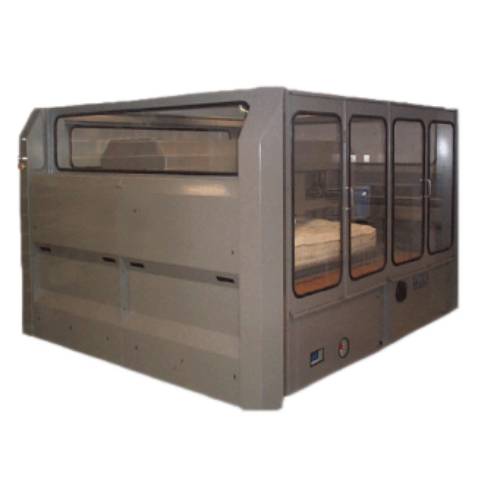
Working Principles and Mechanical Simulation of Human Body Pressure Cycles
The Mattress Durability Fatigue Testing Machine operates by repeatedly applying controlled force to a mattress surface using a mechanical loading system that simulates the pressure exerted by a human body during sleep. The testing process typically involves cyclic compression, where a weighted roller or mechanical actuator moves across the mattress surface to imitate natural body movement and long-term usage patterns. During operation, the machine applies a predefined load and repeats the compression cycle thousands or even hundreds of thousands of times depending on testing standards. This allows engineers to simulate several years of real-world mattress usage within a relatively short testing period.
The system measures key performance indicators such as indentation depth, height loss, resilience recovery, and structural deformation. These parameters help determine whether the mattress retains its original shape and support characteristics after prolonged use. Some advanced machines also simulate multi-zone pressure distribution to replicate different sleeping positions, including lying on the back, side, or stomach. This improves the accuracy of comfort and support evaluation under realistic human conditions. By analyzing fatigue behavior over long-term cycles, manufacturers can identify weak structural points and optimize mattress design for improved durability and comfort retention.
Structural Design and Core Components of Mattress Fatigue Testing Systems
The structure of a Mattress Durability Fatigue Testing Machine is designed to ensure stable operation, precise force control, and repeatable testing performance. The main frame is typically constructed from high-strength steel or industrial-grade aluminum to provide rigidity and reduce vibration during testing. The loading system is the core component of the machine. It usually consists of a motor-driven roller, pneumatic actuator, or servo-controlled pressing unit that applies consistent force to the mattress surface. The load is carefully calibrated to match standardized human weight simulation requirements.
The control system is equipped with a digital interface or computer-based software that allows operators to set test parameters such as load weight, compression speed, cycle frequency, and total number of cycles. The system automatically executes the test program and records performance data throughout the process. Measurement sensors are integrated into the system to monitor mattress deformation, height changes, and rebound characteristics. These sensors provide real-time data that helps evaluate material fatigue behavior and structural stability.
Safety features such as overload protection, emergency stop functions, and automatic shutdown systems are included to ensure safe operation during long-duration testing cycles. The equipment is designed to run continuously for extended periods without performance instability.
Key Testing Standards and Quality Evaluation Requirements in Mattress Industry
The Mattress Durability Fatigue Testing Machine is commonly used in accordance with international testing standards that define durability, comfort, and structural performance requirements for bedding products. These standards ensure that mattresses meet consistent quality benchmarks across different manufacturers and markets. One of the main testing methods is rolling fatigue testing, where a weighted roller simulates human movement across the mattress surface. This test evaluates long-term structural integrity and resistance to deformation under repeated use.
Compression testing is another important method used to assess mattress firmness and support stability. By applying repeated vertical force, engineers can measure how the mattress responds to continuous loading and whether it maintains its original height and resilience. Edge support testing is also commonly performed to evaluate the structural strength of mattress borders. Since users often sit or sleep near the edge of a mattress, this area must maintain sufficient support and resistance to collapse.
Some testing standards also include durability evaluations under environmental conditions such as temperature variation and humidity exposure. These tests help determine how different materials respond to long-term environmental stress and aging effects. Manufacturers often follow both international standards and internal quality control requirements to ensure product consistency and market competitiveness.
Wide Applications of Mattress Durability Testing Machines in Bedding Industry
The Mattress Durability Fatigue Testing Machine is widely used throughout the bedding and furniture industry. Mattress manufacturers rely on this equipment during product development to evaluate new materials, structural designs, and comfort technologies before mass production. During quality control processes, manufacturers use the machine to test sample products from production batches. This ensures that each mattress meets durability and performance requirements before being released to the market.
Research and development departments use fatigue testing machines to study material behavior such as foam compression recovery, spring fatigue resistance, latex elasticity, and hybrid material interactions. These studies help improve mattress comfort and extend product lifespan. Testing laboratories and certification agencies also use the equipment to verify product compliance with international quality standards. The data generated from testing is often used for product certification and market approval.
In addition, hospitality industries such as hotels, resorts, and healthcare facilities rely on durability testing data to select mattresses that offer long-lasting comfort and support under heavy daily usage conditions.
Advantages of Using Mattress Durability Fatigue Testing Technology for Product Improvement
The Mattress Durability Fatigue Testing Machine provides several important advantages for manufacturers and researchers. One of the most significant benefits is the ability to simulate long-term usage within a short testing period. This helps manufacturers quickly evaluate product lifespan and make improvements before launching products to the market. The machine also improves product quality by identifying structural weaknesses early in the development process. By analyzing fatigue behavior, engineers can adjust material composition, internal structure, and design parameters to enhance durability and comfort.
Another important advantage is consistency in testing results. Automated control systems ensure that each test follows the same conditions, reducing human error and improving data reliability. This allows manufacturers to compare different product designs objectively.