

What is Fabric Friction Charge Tester?
A Fabric Friction Charge Tester is a specialized testing instrument used to evaluate the electrostatic properties of textile materials by measuring the electrical charge generated when fabrics come into contact and separate through friction. During everyday use, fabrics frequently rub against human skin, other garments, furniture surfaces, or industrial equipment, causing the transfer of electrical charges through a phenomenon known as triboelectric charging. Excessive static electricity may result in discomfort, dust attraction, electronic interference, reduced product performance, or even ignition risks in sensitive environments. The Fabric Friction Charge Tester is designed to simulate these friction conditions under controlled laboratory settings and determine how much electrostatic charge a fabric generates and retains. This information helps manufacturers improve product safety, comfort, and compliance with textile performance requirements.
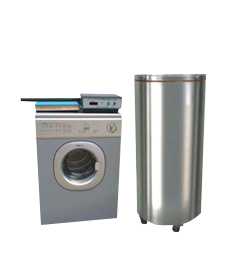
How the Fabric Friction Charge Tester Simulates Real Fabric Contact and Static Generation Conditions
The operating principle of a Fabric Friction Charge Tester is based on controlled friction and electrostatic measurement techniques. During testing, a fabric specimen is mounted securely inside the instrument while a friction material or rubbing mechanism repeatedly contacts and separates from the sample according to predefined parameters. As friction occurs, electrical charges accumulate on the textile surface due to electron transfer between the two materials. After the rubbing cycle is completed, sensitive electrostatic measurement devices detect the generated charge level, surface voltage, or charge decay characteristics. Environmental factors such as temperature and humidity are often controlled because atmospheric conditions significantly influence electrostatic behavior. By reproducing consistent testing conditions, the instrument allows reliable comparison among different textile materials and finishing processes.
The Main Components and Structural Features That Ensure Accurate Electrostatic Testing
A Fabric Friction Charge Tester is composed of several precision components that work together to produce stable and repeatable results. The friction assembly generates controlled contact between the test specimen and the rubbing material while maintaining consistent pressure and movement. The specimen holder secures the fabric and minimizes unwanted displacement during testing. Electrostatic sensing devices detect generated charges with high sensitivity and convert the signals into measurable data. Modern systems often include digital displays, programmable controllers, and automatic calculation functions for easier operation and improved testing efficiency. Some advanced models also incorporate enclosed chambers with environmental conditioning systems to maintain stable humidity and temperature throughout the testing process. These structural features reduce measurement variability and improve result reliability.
Why Measuring Fabric Friction Charge Has Become Increasingly Important Across Textile Industries
Electrostatic performance has become an increasingly important quality indicator in modern textile production because fabric behavior directly affects user experience and operational safety. In apparel applications, excessive static buildup may cause garments to cling to the body, attract dust, or create discomfort during wear. In cleanroom environments, static charges can attract airborne particles and compromise cleanliness requirements. Industrial protective clothing often requires antistatic performance to reduce ignition risks in explosive atmospheres. Home textiles, carpets, upholstery materials, and automotive interiors are also evaluated for electrostatic behavior to enhance comfort and reduce maintenance issues. By measuring friction-generated charge during product development and quality control, manufacturers can optimize fiber selection, fabric structure, and finishing treatments.
Typical Test Methods and Evaluation Parameters Used in Fabric Friction Charge Analysis
Fabric Friction Charge Testing generally follows standardized procedures that define sample preparation, environmental conditions, friction cycles, and evaluation methods. Before testing, specimens are often conditioned under controlled temperature and humidity to ensure consistency. During operation, the instrument applies specified rubbing actions for a defined duration or number of cycles. The resulting electrostatic response may be expressed as generated voltage, charge quantity, charge density, or charge decay time depending on the selected standard. Some evaluations focus on peak charge generation, while others emphasize how quickly accumulated charges dissipate after friction stops. Repeat testing is commonly performed to improve statistical confidence and reduce the influence of material variation. These standardized procedures allow manufacturers and laboratories to compare results objectively.
Applications of Fabric Friction Charge Testing in Clothing, Technical Textiles, and Industrial Materials
Fabric Friction Charge Testers are widely used across textile research, manufacturing, and product certification activities. Clothing manufacturers employ the instrument to evaluate garment comfort and minimize static-related consumer complaints. Producers of sportswear and functional textiles use testing to optimize fiber combinations and improve wear performance. Automotive suppliers evaluate seat fabrics and interior materials to reduce dust attraction and enhance passenger comfort. Electronic manufacturing facilities rely on antistatic textiles to prevent electrostatic discharge damage during production processes. Technical textiles used in medical, filtration, and industrial applications are also tested to ensure reliable electrostatic characteristics under operational conditions. Research institutions frequently use these instruments to study relationships between fiber composition, fabric construction, and electrostatic behavior.
Factors That Influence Fabric Electrostatic Performance During Friction Testing
Fabric electrostatic behavior is influenced by multiple variables that affect charge generation and retention. Fiber composition plays a major role because different materials exhibit different tendencies to gain or lose electrons during contact. Synthetic fibers often display stronger static accumulation compared with natural fibers under certain conditions. Fabric density, weave structure, thickness, and surface roughness also influence friction interactions and charge transfer efficiency. Environmental humidity is particularly important because moisture in the air can increase electrical conductivity and accelerate charge dissipation. Friction speed, contact pressure, and the characteristics of the rubbing material further affect testing outcomes. Understanding these variables allows engineers and textile developers to interpret results more effectively and improve product design.
Advantages of Using a Fabric Friction Charge Tester in Product Development and Quality Control
The use of a Fabric Friction Charge Tester provides significant advantages throughout textile development and manufacturing processes. Controlled laboratory evaluation enables early identification of electrostatic issues before products reach the market. Objective measurement supports material selection decisions and helps optimize chemical finishing treatments intended to improve antistatic performance. Consistent testing procedures reduce quality variation and strengthen confidence in product reliability. The instrument also supports compliance with customer specifications and industry requirements while providing valuable data for research and innovation. By integrating electrostatic testing into quality control programs, manufacturers can reduce product complaints, improve user satisfaction, and enhance overall competitiveness.
Future Trends in Fabric Electrostatic Testing and Intelligent Textile Evaluation Technologies
As textile technologies continue to advance, Fabric Friction Charge Testing is evolving toward greater precision, automation, and data integration. Modern instruments increasingly feature automated sample handling, digital reporting systems, and improved environmental control capabilities. The development of smart textiles, wearable electronics, and multifunctional fabrics has created higher demands for accurate electrostatic evaluation. Future systems are expected to integrate sensor networks and intelligent analysis tools that provide more comprehensive understanding of fabric behavior under realistic use conditions. Combined with advanced material development and simulation techniques, electrostatic testing will continue to support innovation in textile performance and safety.