

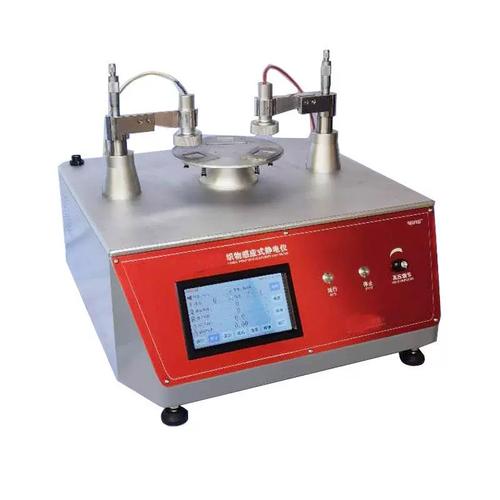
What is G342 Fabric induction static electrical meter?
The G342 Fabric Induction Static Electrical Meter is a laboratory testing instrument designed to measure the electrostatic properties of fabrics and textile materials. It is mainly used to evaluate how easily a fabric generates and retains static electricity when exposed to friction, contact, or separation during normal use. Static electricity is a common issue in the textile industry, especially for synthetic fibers such as polyester, nylon, and blended materials. Excessive static buildup can affect product comfort, safety, cleanliness, and even industrial production efficiency.
Why Static Electricity Matters in Fabrics
Static electricity occurs when two materials come into contact and then separate, causing electrons to transfer from one surface to another. In textile products, this often happens during wearing, rubbing, folding, or machine processing. Fabrics with poor conductivity tend to accumulate electrical charges, especially in dry environments. Excessive static electricity can create several practical problems. In clothing, it may cause discomfort, clinging, or small electric shocks. In industrial environments, static discharge can attract dust, damage sensitive electronic components, or even create fire and explosion hazards in locations containing flammable gases or powders. For this reason, many industries require fabrics to meet specific electrostatic safety standards.
The G342 Fabric Induction Static Electrical Meter allows manufacturers to evaluate these risks before products enter the market. By accurately measuring electrostatic behavior, companies can improve material selection, optimize finishing processes, and ensure compliance with customer requirements and international standards.
Working Principle of the G342 Fabric Induction Static Electrical Meter
The instrument works by detecting the electrostatic voltage generated on the surface of a fabric sample after friction or induction. During testing, the fabric is exposed to controlled conditions that simulate real-life static generation. The electrostatic charge produced on the sample is then measured using a high-sensitivity sensor system. Most G342 models use a non-contact measurement method, which helps avoid interference with the electrical charge during testing. The instrument can detect both positive and negative charges and display the voltage value digitally. Some advanced systems also provide data storage, curve analysis, and automatic calculation functions.
Environmental conditions such as humidity and temperature greatly influence static electricity behavior. Therefore, tests are usually performed in standard laboratory conditions to ensure accurate and repeatable results. The meter is designed to maintain high measurement precision while reducing external interference.
Main Components of the Instrument
The G342 Fabric Induction Static Electrical Meter typically consists of several important parts that work together during testing. The testing platform holds the fabric sample securely in place to ensure stable measurements. A friction or induction mechanism is used to generate electrostatic charges under controlled conditions. The electrostatic sensor is the core component of the instrument. It detects the electrical potential on the fabric surface and converts it into measurable data. The control system manages testing parameters and displays results on a digital screen. Many modern models also include software interfaces for data recording and report generation. Some instruments are equipped with environmental monitoring systems to track laboratory temperature and humidity during testing. This is important because electrostatic performance can vary significantly depending on surrounding conditions.
Applications in the Textile Industry
The G342 Fabric Induction Static Electrical Meter has a wide range of applications throughout the textile industry. Apparel manufacturers use it to evaluate the comfort and wearability of fabrics intended for daily clothing, sportswear, and winter garments. Fabrics with lower static buildup are generally more comfortable and attractive to consumers. In the field of industrial textiles, static control is often a safety requirement. Protective clothing used in electronics factories, cleanrooms, oil and gas facilities, and chemical plants must minimize electrostatic discharge to reduce operational risks. The instrument helps verify whether these materials meet antistatic standards.
Carpet manufacturers also use static testing equipment because carpets can generate noticeable electrostatic discharge during walking. Upholstery fabrics, automotive interiors, and bedding products are additional examples where electrostatic properties influence product quality and customer satisfaction. Research institutions and universities rely on the G342 meter for material development projects. Engineers can compare the electrostatic behavior of different fibers, coatings, and finishing treatments to improve product performance.
Advantages of Using the G342 Meter
One major advantage of the G342 Fabric Induction Static Electrical Meter is its high testing accuracy. The instrument can detect small electrostatic changes that may not be visible during ordinary inspection methods. This allows manufacturers to identify problems early in the production process. Another important benefit is repeatability. Standardized testing procedures help laboratories obtain consistent results under controlled conditions. This improves quality control and supports product certification requirements.
The instrument is also relatively easy to operate. Modern versions often include touchscreen interfaces, automated testing procedures, and digital data management systems. Operators can complete tests efficiently while minimizing human error. Durability and long service life are additional advantages. Laboratory testing equipment is expected to operate continuously for many years, and the G342 model is generally designed with stable electronic components and reliable mechanical structures.
Typical Testing Procedure
Before testing begins, the fabric sample is conditioned under standard laboratory temperature and humidity conditions for a specified period. Proper conditioning ensures stable and reliable measurement results. The operator places the sample on the testing platform and sets the required testing parameters. Depending on the standard being followed, the fabric may be rubbed with another material or exposed to induction charging. After charge generation, the electrostatic voltage is measured by the sensor system.
The measured value is displayed on the screen and may also be stored electronically for future analysis. In some cases, multiple tests are performed on the same material to calculate average values and improve accuracy. After testing is complete, operators compare the results with industry standards or customer specifications. Fabrics that exceed acceptable electrostatic limits may require additional antistatic treatment or material modification.
Importance of Environmental Control
Environmental conditions have a major influence on static electricity behavior. Low humidity environments usually increase static generation because dry air reduces electrical conductivity on material surfaces. Higher humidity levels often help dissipate charges more quickly. For this reason, laboratories conducting electrostatic testing must carefully control temperature and humidity. Many international standards specify exact environmental conditions for textile electrostatic testing. Failure to maintain these conditions can lead to inconsistent or inaccurate results. The G342 Fabric Induction Static Electrical Meter is often used in climate-controlled laboratories to ensure compliance with these testing requirements. Stable environmental conditions improve measurement reliability and allow meaningful comparisons between different materials.
Industry Standards and Compliance
Electrostatic testing is closely connected with international textile testing standards. Different countries and industries may apply different testing methods depending on product requirements. The G342 meter is often designed to support common textile electrostatic standards used in quality control laboratories. Compliance with these standards is especially important for protective clothing, military textiles, cleanroom garments, and electronic manufacturing applications. Certification bodies may require documented electrostatic testing results before approving products for commercial use.
Manufacturers that invest in professional testing equipment can improve product reliability and strengthen customer confidence. Reliable electrostatic performance data also helps companies compete in international markets where technical compliance is essential.
Future Development Trends
As textile technology continues to evolve, the demand for advanced electrostatic testing equipment is increasing. Smart textiles, conductive fibers, wearable electronics, and functional fabrics all require more precise electrostatic analysis. Future versions of the G342 Fabric Induction Static Electrical Meter may include higher sensitivity sensors, faster data processing, and improved automation features. Integration with laboratory information management systems is also becoming more common, allowing automatic report generation and remote data access.
Artificial intelligence and data analysis technologies may further improve testing efficiency by identifying material trends and predicting electrostatic performance. Portable and compact testing systems could also become more popular for on-site quality inspections. At the same time, sustainability trends are influencing textile production worldwide. Manufacturers are developing eco-friendly antistatic treatments and recyclable conductive materials. Accurate electrostatic testing equipment will remain important for verifying the effectiveness of these new solutions.