

What is Fabric Anti-Electromagnetic Radiation Performance Tester?
With the rapid proliferation of electronic devices in daily life, exposure to electromagnetic radiation (EMR) has become a growing concern. From smartphones and laptops to Wi-Fi routers and household appliances, humans are constantly surrounded by electromagnetic fields. In response to this, the development of protective textiles that shield against electromagnetic radiation has gained significant attention. To evaluate the effectiveness of such fabrics, specialized instruments like the Fabric Anti-Electromagnetic Radiation Performance Tester have been developed. This article explores the purpose, design, methodology, applications, and importance of this testing device.
Understanding Electromagnetic Radiation and Fabric Protection
Electromagnetic radiation refers to waves of electric and magnetic fields that propagate through space. While many sources of EMR, such as radio waves or visible light, are harmless at typical exposure levels, prolonged or intense exposure to certain frequencies has raised health and safety concerns. Protective fabrics are designed to reduce EMR penetration by reflecting or absorbing electromagnetic waves. Such fabrics are often used in medical garments, protective workwear, curtains, and everyday apparel aimed at minimizing exposure.
The effectiveness of anti-EMR fabrics depends on factors including material composition, weave density, conductive coatings, and layer thickness. Fibers like silver, copper, and carbon are commonly incorporated due to their high conductivity. However, the performance of these fabrics cannot be accurately assessed without standardized measurement methods. The Fabric Anti-Electromagnetic Radiation Performance Tester provides a reliable solution to quantify a material’s shielding ability.
Overview of the Tester
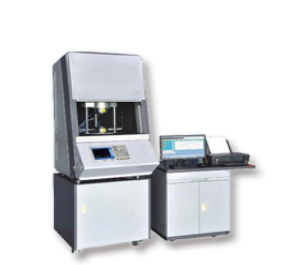
The Fabric Anti-Electromagnetic Radiation Performance Tester is a precision instrument designed to measure the shielding effectiveness of textile materials against electromagnetic waves. It assesses the fabric’s ability to attenuate electromagnetic radiation across a range of frequencies, providing critical data for designers, manufacturers, and quality control teams. The instrument typically consists of a test chamber, electromagnetic wave generator, sensors, and data acquisition systems. It allows for controlled testing of material samples under repeatable conditions, ensuring reliable results.
The tester simulates real-world exposure scenarios, generating electromagnetic waves that interact with the fabric sample. Sensors measure the intensity of radiation before and after passing through the material, allowing calculation of shielding effectiveness in decibels. The results quantify the fabric’s capability to block or reduce electromagnetic radiation, enabling objective comparison between different material formulations.
Design and Components
The Fabric Anti-Electromagnetic Radiation Performance Tester is designed to ensure high accuracy, repeatability, and adaptability. The test chamber is constructed to minimize external interference and reflections that could affect measurements. The electromagnetic wave generator produces signals over a defined frequency range, covering low-frequency emissions from household appliances as well as high-frequency signals from telecommunications devices. Sensors and antennas are placed strategically within the chamber to detect incoming and transmitted waves. High-resolution data acquisition systems capture real-time measurements, while software tools process the data to calculate shielding effectiveness, transmission loss, and attenuation rates. The tester often includes a user interface for configuring test parameters, monitoring measurements, and generating comprehensive reports.
The design also accommodates various fabric sizes and thicknesses. Sample holders and mounting mechanisms ensure that the material is positioned consistently for each test, eliminating variability caused by folding, stretching, or uneven surfaces. Advanced models may also allow testing of layered materials or composites to assess combined shielding performance.
Testing Methodology
Testing with the Fabric Anti-Electromagnetic Radiation Performance Tester begins with sample preparation according to standardized dimensions and conditioning requirements. The material is mounted within the test chamber, and the electromagnetic wave generator is activated to produce a controlled signal at selected frequencies. Sensors measure the strength of the electromagnetic wave before and after passing through the fabric.
The attenuation of the signal is calculated in decibels, reflecting the fabric’s shielding effectiveness. Tests can be performed over a range of frequencies to evaluate performance against various sources of EMR, from household electronics to mobile communication devices. Multiple measurements ensure statistical reliability, while software tools allow for visualization of shielding performance across the spectrum.
Environmental conditions such as temperature and humidity can affect fabric properties and testing results. High-precision instruments like the STD-QM control or account for these factors, ensuring that results are consistent and reproducible. Manufacturers and researchers can then use the data to compare fabrics, optimize material formulations, and ensure compliance with relevant industry standards.
Applications Across Industries
The Fabric Anti-Electromagnetic Radiation Performance Tester is used in a wide range of industries where protective textiles are essential. In healthcare, fabrics that shield medical staff and patients from electromagnetic interference are critical for maintaining equipment accuracy and safety. Medical garments, bedding, and curtains are often tested to ensure they meet strict performance standards.
Textile manufacturers use the tester to support product development, quality control, and certification processes. By quantifying shielding performance, companies can verify material consistency, optimize fiber composition, and achieve compliance with national and international standards for electromagnetic protection.
Data Analysis and Interpretation
Data collected from the Fabric Anti-Electromagnetic Radiation Performance Tester provides insight into the protective capability of fabrics. The shielding effectiveness is expressed in decibels, indicating the reduction in electromagnetic wave intensity after passing through the material. Higher values represent better protection.
Analysis may include frequency-dependent performance, highlighting how a fabric attenuates signals differently across low, medium, and high frequencies. Comparative studies help identify the most effective materials and configurations. Statistical analysis ensures repeatability and reliability, supporting product certification and marketing claims. Visualization tools allow researchers to present performance data clearly, facilitating decision-making in material selection and design.
Advantages of Using the Tester
The Fabric Anti-Electromagnetic Radiation Performance Tester provides significant advantages over traditional evaluation methods. By delivering objective, quantitative data, it eliminates the inconsistencies associated with subjective assessment. It supports precise comparison of material formulations, including the impact of conductive coatings, fiber blends, or fabric thickness.
The tester’s ability to simulate real-world exposure and measure performance across multiple frequencies ensures that materials are evaluated under realistic conditions. Integration with software tools enhances efficiency, allowing automated data acquisition, analysis, and reporting. This reduces testing time, minimizes human error, and supports quality control processes throughout production.
Future Development and Trends
As electromagnetic exposure becomes an increasing concern, demand for protective fabrics and reliable testing instruments is expected to grow. Future developments in Fabric Anti-Electromagnetic Radiation Performance Testers may include higher frequency ranges to cover emerging technologies such as 5G, improved sensor accuracy, and more compact testing chambers for rapid evaluation.
Integration with computational modeling and digital twin technology may allow predictive performance analysis, reducing the need for extensive physical testing. Additionally, the use of eco-friendly fibers and conductive materials in anti-EMR textiles will require advanced testing to ensure consistent shielding performance while maintaining sustainability goals. As the market for protective fabrics expands, standardized testing using instruments like the STD-QM will remain critical to product safety, compliance, and consumer trust.