

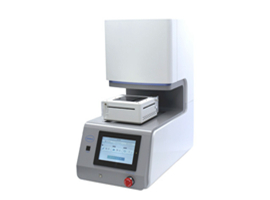
What is Contact Coolness Tester STD-QM?
The tactile perception of coolness or temperature is an important factor in evaluating materials, especially those designed for direct human contact. From consumer electronics to textiles, the sensation of coolness can affect user comfort, satisfaction, and overall product performance. To quantify and standardize this sensory attribute, specialized instruments like the Contact Coolness Tester STD-QM have been developed. This article provides a comprehensive overview of the STD-QM, including its purpose, design, testing methodology, applications, and significance in modern material testing.
Understanding Contact Coolness
Contact coolness refers to the sensation experienced when a material comes into contact with the human skin. Unlike thermal conductivity alone, coolness perception is influenced by factors such as surface texture, heat transfer rate, and environmental conditions. A material may feel cool to the touch even if its actual temperature is close to ambient levels, due to rapid heat dissipation from the skin. Accurately measuring this sensation is essential for industries where consumer comfort is critical, such as textiles, footwear, automotive interiors, and consumer electronics.
Traditional methods of evaluating tactile coolness often relied on subjective human perception, which can vary greatly among individuals. Variability in environmental conditions, skin sensitivity, and personal preference can lead to inconsistent results. The development of standardized testing instruments like the STD-QM allows manufacturers to quantify coolness objectively, ensuring consistent quality and better-informed design decisions.
Overview of the STD-QM Tester
The Contact Coolness Tester STD-QM is designed to measure the coolness sensation of materials in a controlled and reproducible manner. It consists of a test platform, sensors, temperature control units, and data acquisition systems. The instrument simulates human touch by applying a specific force to the material sample while monitoring the heat flow between the skin or sensor interface and the material surface. The data collected enables the calculation of a quantitative coolness index, reflecting the perceived temperature sensation.
The STD-QM combines mechanical precision and thermal measurement accuracy to replicate real-world conditions. The test platform can accommodate a wide range of sample sizes and thicknesses, making it suitable for fabrics, polymers, leather, metals, and composite materials. The instrument also allows adjustment of contact pressure, contact area, and duration of touch, providing flexibility to simulate different use scenarios.
Design and Features
The design of the STD-QM focuses on replicating the conditions under which a human would perceive coolness. A precision force application mechanism ensures consistent contact pressure, while a temperature-controlled sensor or probe captures the heat flux between the material and the interface. High-resolution thermocouples and infrared sensors monitor temperature changes with rapid response time.
Advanced data acquisition and analysis software are integrated with the STD-QM to record temperature variations, calculate thermal conductivity, and generate a coolness index. The user interface allows for real-time visualization of temperature profiles and automatic reporting of results. Additionally, the instrument is built to minimize external influences such as ambient temperature fluctuations, humidity, and vibrations, ensuring high repeatability and reliability of measurements.
Testing Methodology
Testing with the STD-QM begins by preparing the material sample according to standard size and conditioning requirements. The sample is mounted on the test platform, and the sensor probe or artificial skin interface is brought into contact under a controlled load. The instrument monitors the rate of heat transfer from the sensor to the material and calculates parameters related to thermal sensation.
The coolness index is derived from the dynamic heat flux data, providing a numerical representation of how cool or warm a material feels upon contact. Tests can be conducted under different environmental conditions or with varying material treatments, such as coatings, finishes, or moisture content. Multiple cycles of testing help to ensure statistical reliability and identify variations in material behavior. The methodology allows manufacturers to compare different materials objectively and optimize designs for comfort and user satisfaction.
Applications Across Industries
The Contact Coolness Tester STD-QM has applications across a variety of industries where tactile perception affects product quality. In the textile and apparel industry, it is used to evaluate fabrics, athletic wear, and bedding materials, ensuring that products provide a pleasant cool sensation during use. Footwear designers use the instrument to test insoles and uppers, enhancing comfort for extended wear.
In consumer electronics, the perception of coolness on touch surfaces such as smartphones, laptops, and wearable devices can influence user experience. Automotive manufacturers use the STD-QM to evaluate interior materials, including dashboards, seats, and steering wheels, contributing to cabin comfort and ergonomic design. The instrument also finds application in healthcare products, packaging materials, and sports equipment, wherever the sensation of temperature upon contact is an important factor.
By providing objective data on coolness perception, the STD-QM supports product differentiation, quality control, and research into new materials with improved thermal properties. It also enables benchmarking against competitor products and compliance with industry standards that prioritize user comfort.
Data Analysis and Interpretation
Data from the STD-QM test provides insight into the thermal and tactile properties of materials. Temperature versus time curves reveal the rate at which heat is absorbed or dissipated, which directly correlates to perceived coolness. The coolness index can be used to rank materials, identify high-performing options, and evaluate the impact of treatments such as coatings, laminates, or moisture management finishes.
Statistical analysis helps to account for variations between tests and ensures repeatability. Manufacturers can use the results to refine material formulations, optimize surface textures, and enhance overall user comfort. Visualization tools allow for clear communication of performance differences to design teams and stakeholders, supporting evidence-based decisions in product development.
Advantages of Using the STD-QM
The STD-QM provides several advantages over traditional subjective testing. By offering objective, quantitative measurements, it reduces variability associated with human perception. Its high precision and repeatability allow for consistent evaluation across multiple batches of material, improving quality control and reducing production inconsistencies.
The flexibility of the instrument enables simulation of different use conditions, including variations in contact pressure, duration, and environmental factors. This adaptability ensures that testing is relevant to real-world applications and provides actionable insights. The integration of software tools for analysis, reporting, and data visualization further streamlines testing workflows, saving time and resources for manufacturers.
Future Development and Trends
As consumer expectations for comfort and tactile experience continue to rise, the demand for precise and reliable coolness testing grows. Future developments in the STD-QM and similar instruments may include enhanced automation, higher resolution sensors, and integration with wearable devices that mimic human skin more accurately. The combination of experimental testing with computational modeling may allow for predictive analysis, reducing the need for extensive physical trials.
Sustainability trends also influence material selection, making it important to evaluate environmentally friendly fabrics, coatings, and polymers. The STD-QM can assist in assessing how sustainable materials perform in terms of user comfort, supporting the development of products that are both eco-friendly and enjoyable to use. As industries increasingly prioritize user-centric design, contact coolness testing will remain a critical aspect of product development and material research.