

What is Luminous Afterglow Performance Tester?
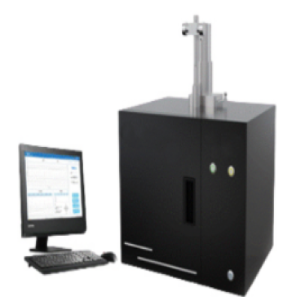
A Luminous Afterglow Performance Tester is a specialized instrument used to measure the afterglow characteristics of luminescent materials after they have been exposed to a light source. It is widely applied in material science, safety product manufacturing, textile engineering, and coating industries to evaluate how long and how brightly a material continues to emit light after the excitation source is removed. This type of testing equipment is essential for products that rely on glow-in-the-dark properties or emergency visibility functions. These include safety signs, emergency exit markings, road signs, fire safety labels, reflective coatings, and certain functional textiles. By accurately measuring afterglow performance, manufacturers can ensure that their products meet safety standards and remain visible in low-light or dark environments.
Purpose and Importance of Afterglow Testing
The main purpose of a luminous afterglow performance tester is to evaluate the duration and intensity of light emitted by phosphorescent or luminescent materials after exposure to a light source. Afterglow performance is a critical quality factor for materials used in safety and emergency applications.
In real-world scenarios, such as power outages or fire emergencies, visibility becomes extremely important. Materials with strong afterglow properties can provide guidance and improve safety by remaining visible without external lighting. Therefore, accurate measurement of afterglow behavior is necessary to ensure that these materials perform reliably under emergency conditions.
The tester helps manufacturers understand how different formulations, coatings, or production processes affect luminous performance. It also supports product development by enabling comparison between different material samples and optimizing glow efficiency and duration.
Working Principle of the Equipment
A luminous afterglow performance tester operates by first exposing a sample material to a controlled light source for a specific period of time. This process, known as excitation, activates the luminescent compounds within the material.
After the excitation phase, the light source is turned off, and the equipment immediately begins measuring the light emitted by the sample in complete darkness. Highly sensitive optical sensors detect the intensity of the afterglow over time, recording how the brightness gradually decreases.
The data collected is used to generate decay curves that represent the relationship between time and luminous intensity. These curves help researchers and quality control engineers analyze the performance characteristics of the material in a precise and scientific way.
Modern systems are often equipped with automated control software that manages exposure time, measurement intervals, and data recording. This ensures consistent and repeatable test conditions across multiple samples.
Structure and Key Components
A luminous afterglow performance tester typically consists of several key components that work together to ensure accurate measurement.
The light source system provides stable and uniform illumination during the excitation phase. It is designed to deliver consistent energy to the sample so that results are comparable across different tests.
The dark chamber is a critical part of the system, ensuring that all measurements are taken in a completely controlled environment free from external light interference. This allows for highly accurate detection of low-level light emissions.
The optical detection system uses highly sensitive sensors or photomultiplier tubes to capture the faint glow emitted by the sample after excitation. These sensors are capable of detecting very low light levels with high precision.
The control and data analysis system allows users to set testing parameters, monitor real-time results, and analyze afterglow decay curves. Many advanced models include touchscreen interfaces and software for automatic reporting and export of test data.
Applications in Different Industries
Luminous afterglow performance testers are widely used across multiple industries where visibility and safety are important.
In the safety signage industry, they are used to test emergency exit signs, fire evacuation indicators, and directional markings. These products must remain visible for a certain period after a power failure, making afterglow performance a critical requirement.
In the textile industry, the tester is used to evaluate glow-in-the-dark fabrics used in sportswear, fashion products, and safety clothing. It helps manufacturers ensure consistent luminous performance and durability after repeated washing or environmental exposure.
In the coatings and paint industry, luminous pigments and coatings are tested to determine their brightness and duration of glow. This is important for road markings, decorative applications, and industrial safety labeling.
The tester is also used in research laboratories to study new luminescent materials and improve the efficiency of phosphorescent compounds. This supports innovation in material science and functional product development.
Importance in Safety and Quality Control
The performance of luminous materials directly affects safety in low-visibility environments. Poor-quality materials may lose their glow too quickly, reducing their effectiveness in emergencies.
By using a luminous afterglow performance tester, manufacturers can ensure that their products meet regulatory standards and performance requirements. This helps reduce safety risks and improves reliability in critical applications.
Quality control teams rely on test data to verify product consistency across production batches. This ensures that every product delivered to the market meets the same level of performance.
The tester also helps identify material degradation over time. For example, repeated exposure to light, heat, or environmental conditions may reduce afterglow performance. Testing allows manufacturers to evaluate long-term durability.
Testing Standards and Measurement Methods
Luminous afterglow performance testing is often conducted in accordance with international standards such as ISO and ASTM guidelines. These standards define the procedures for excitation conditions, measurement timing, and evaluation criteria.
Standardized testing ensures that results are consistent and comparable across different laboratories and manufacturers. It also provides a benchmark for product certification and compliance.
Measurements typically focus on key parameters such as initial brightness, decay rate, and afterglow duration. These indicators help determine whether a material is suitable for practical applications.
Advantages of Using the Tester
One of the main advantages of a luminous afterglow performance tester is its ability to provide precise and objective measurement of light-emitting materials. Human observation alone cannot accurately quantify afterglow behavior, making instrumental testing essential.
Another advantage is its repeatability. Because testing conditions are strictly controlled, results can be reproduced reliably, which is important for quality assurance and research purposes.
The equipment also improves product development efficiency by allowing rapid comparison of different material formulations. This helps manufacturers optimize performance and reduce development time.
Future Development Trends
As demand for advanced safety materials and functional luminescent products continues to grow, luminous afterglow performance testers are also evolving.
Future systems are expected to feature higher sensitivity sensors, faster data processing, and improved automation. Integration with digital analysis platforms will allow more detailed evaluation of material performance.
There is also a growing trend toward multi-functional testing systems that combine afterglow measurement with other optical and environmental tests. This provides a more comprehensive understanding of material behavior under real-world conditions.
With continued advancements in smart materials and safety technology, the importance of accurate luminous performance testing will continue to increase.
Conclusion
A Luminous Afterglow Performance Tester is an essential instrument for evaluating the glow characteristics of luminescent materials. It provides accurate, repeatable, and scientific measurement of afterglow intensity and duration, ensuring that products meet safety and performance requirements.