

What is the Random Tumble Pilling Tester?
The Random Tumble Pilling Tester is a professional and precision laboratory testing instrument primarily used to scientifically evaluate the anti-pilling performance of various textile fabrics, including woven fabrics, knitted fabrics, and nonwoven materials. It simulates complex real-life wearing and usage conditions such as washing and friction.The device reproduces fabric fuzzing and pilling phenomena that occur during actual use through precisely controlled tumbling, friction, and rubbing actions over a specified period of time. It provides objective and quantifiable data for fabric quality control, product development, and performance rating.This article presents a systematic and comprehensive introduction to the instrument, focusing on its working principle, operating procedure, test result analysis, and evaluation methods. The aim is to help readers gain a deeper understanding of its operating mechanism and application value, offering practical reference and guidance for professionals in the textile industry, quality inspection personnel, and related researchers.
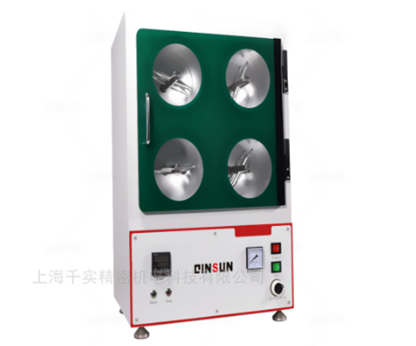
Applications of the Random Tumble Pilling Tester
The Random Tumble Pilling Tester is a specialized instrument used to evaluate the anti-pilling performance of textile fabrics under simulated daily wear conditions. Its core applications include the following:
1. Evaluating Fabric Anti-Pilling Performance
The device simulates the formation of fuzz and pills caused by mechanical actions such as washing, friction, and folding during garment use. It quantitatively assesses the degree of pilling on fabrics.
2. Supporting Quality Control and Product Grading
It helps textile manufacturers select raw materials or processes with superior anti-pilling performance (e.g., finishing treatments or fiber blending ratios). It also provides a basis for fabric quality grading for apparel brands, thereby reducing customer complaints.
3. Guiding R&D and Process Optimization
The tester is used to compare the effects of different fibers (such as cotton, polyester, and wool) or finishing processes (such as anti-pilling treatments), enabling optimization of fiber structures and surface treatment technologies.
Applicable Standards for the Random Tumble Pilling Tester
International and Regional Standards
ASTM D3512 (American Society for Testing and Materials):
This standard applies to various woven and knitted fabrics. It uses the random tumble method to simulate wear-induced friction and evaluates pilling grades on a scale of 1 to 5 (Grade 5 indicates no pilling).
ISO 12945-3 (International Organization for Standardization):
Full title: Textiles — Determination of fabric propensity to surface pilling, fuzzing or matting — Part 3: Random tumble pilling method. This standard specifies the random tumble method for determining the pilling tendency of fabrics.
AATCC 124 (American Association of Textile Chemists and Colorists):
Although this standard includes multiple test methods, its random tumble-related procedures are similar to ISO 12945-2. with an emphasis on ensuring inter-laboratory reproducibility of results.
Chinese National Standards
GB/T 4802.3:
A Chinese national standard equivalent to ISO 12945-2. It applies to woven and knitted fabrics and specifies detailed parameters and rating methods for the random tumble pilling test.
GB/T 4802.4:
Some equipment documentation references this standard; however, it should be noted that it corresponds to the ICI pilling method (circular locus method) rather than the random tumble method. Care should be taken to distinguish between the two in practical use.
Calibration and Technical Specifications
JJF (Textile) 082-2019:
A Chinese metrological specification for the calibration of the Random Tumble Pilling Tester. It defines key instrument parameters, including rotational speed (1200 ± 30 r/min), timing error (±5 s), and drum dimensions.
Working Principle of the Random Tumble Pilling Tester
The random tumble pilling tester is an instrument used to evaluate the pilling performance of materials under specified conditions. It is mainly applicable to textiles, paper, and fiber materials. By simulating the random tumbling that materials undergo during actual use or handling, it assesses their resistance to fuzzing and pilling. The basic working principle of this instrument is as follows:
Sample Preparation:
First, the test specimens are cut or prepared according to the dimensions and shapes specified in the relevant standards to ensure fairness and comparability of the test.
Random Tumbling:
The prepared samples are placed into a designated chamber, where a mechanical device (such as an automatic tumbling mechanism) subjects them to random tumbling. This process simulates the random friction, impact, or vibration that materials may experience during actual use or transportation.
Evaluation of Fuzzing and Pilling:
After tumbling, the samples are examined for fuzzing and pilling performance, mainly evaluated from the following aspects:
Degree of Fuzzing: Observing the formation of surface fuzz and assessing changes in surface roughness.
Number and Size of Pills: Counting the number of pills formed on the surface and measuring their size to determine the severity of pilling.
Correlation with Abrasion Resistance: Analyzing the durability of resistance to fuzzing and pilling after repeated friction based on the number of tumbling cycles.
Data Processing:
Based on the observed results and recorded data, statistical analysis is conducted to determine whether the material’s resistance to fuzzing and pilling meets the relevant standards or expected requirements.
Operating Procedure of the Random Tumble Pilling Tester
The operating procedure of the Random Tumble Pilling Tester is mainly based on international standards and Chinese national standards, and is used to evaluate the resistance of fabrics to fuzzing and pilling under simulated wearing conditions. The key steps of the standard procedure are as follows:
Pre-Test Preparation
Environmental Conditions:
The specimens shall be conditioned for at least 4 hours in an environment with a temperature of 21 ± 2°C and a relative humidity of 65% ± 2% before testing.
Sample Cutting:
Cut three square specimens, each measuring 105 mm × 105 mm, from the fabric;
The cutting direction should be at an angle of approximately 45° to the warp or weft direction;
Avoid sampling within 1/10 of the fabric edge.
Sample Preparation:
Mark one corner on the face side of each specimen for identification;
Apply adhesive evenly along all four edges (width ≤ 3 mm), and allow to dry for more than 2 hours before use;
Mount the specimen onto the holder (or mounting frame) and ensure it is flat and secure.
Instrument Setup
Standard Configuration:
Rotational speed: 1200 r/min ± 30 r/min;
Place one unused cork liner or polychloroprene liner in each test chamber (depending on the applicable standard version);
Each chamber contains 3 specimens and 25 mg (approximately 6 mm length) of gray cotton fibers to simulate friction;
Compressed air pressure: 0.014–0.021 MPa, used to assist random tumbling of the specimens.
Test Operation
Place the test chambers containing the specimens and cotton fibers into the instrument;
Close the safety door and start the instrument;
The instrument operates according to the preset time (typically 5. 15. or 30 minutes);
At the end of the test, the instrument emits a beep signal.
Result Evaluation
Remove the specimens and lay them flat for observation;
Compare the samples with standard pilling rating photographs;
According to GB/T 4802.4-2020. evaluate three aspects: pilling, fuzzing, and felting;
The rating is typically based on a scale from 1 to 5. where Grade 5 indicates the best resistance to pilling.
Precautions
Use new liners and fresh cotton fibers for each test to ensure result consistency;
The instrument should be regularly calibrated in accordance with JJF (Textile) 082-2019;
For models such as RF3194N, parameters like time and pressure can be set via a 7-inch touchscreen interface.
Maintenance Methods for the Random Tumble Pilling Tester
Routine Maintenance
Cleaning and Replacement of Liners
After each use, the liners inside the test chambers (made of polychloroprene or cork) must be cleaned according to the standard requirements. If cork liners are used, each side should be replaced with a new liner after approximately 1 hour of use, and no pre-conditioning or pre-abrasion is required for new liners.
Inspection of Impeller and Drive System
Regularly check whether the stainless steel impeller is loose, worn, or entangled with fibers. Ensure that it can rotate freely and that the rotational speed remains stable at 1200 r/min. At the same time, verify that the drive system operates smoothly without abnormal noise or vibration.
Airflow System Maintenance
If the equipment is equipped with a compressed air assistance system, ensure that the air pressure is maintained within the range of 14–21 kPa (2–3 psi) to prevent specimens from sticking or jamming. In addition, the air nozzles should be cleaned regularly to avoid blockage.
Cleaning of Test Chambers
After each test, remove any residual fibers and dust from the chambers. Keep the inner walls smooth and free of burrs to avoid affecting test results.
Calibration and Verification
Regularly use standard fabrics to verify performance, ensuring the repeatability and accuracy of test results. According to the Calibration Specification for Random Tumble Pilling Testers, it is recommended to carry out metrological calibration annually or in accordance with laboratory quality system requirements.
Long-Term Maintenance Recommendations
Lubrication of Moving Parts
Following the manufacturer’s instructions, periodically apply appropriate lubricating oil to bearings, transmission mechanisms, and other moving components.
Inspection of Timer and Alarm Functions
Ensure that the timing control is accurate and that the end-of-test alarm functions properly.
Storage Environment
Keep the equipment in a dry and dust-free environment. Avoid high temperature and high humidity conditions, which may cause aging of electronic components or liners.
Importance of the Random Tumble Pilling Tester
The Random Tumble Pilling Tester plays a crucial role in textile quality control and research and development. Its importance is mainly reflected in the following aspects:
Simulation of Real Wearing Conditions:
The instrument places fabric samples together with abrasive media such as cotton lint into a rotating chamber, simulating the random tumbling and friction that garments undergo during daily wearing, washing, or folding. This makes the testing scenario closer to actual use conditions.
Wide Applicability to Various Fabrics:
It is suitable for a wide range of textile materials, including woven fabrics, knitted fabrics, and nonwoven fabrics. It is particularly effective for evaluating the pilling resistance of woven and knitted textiles.
Standardized Rating System:
Test results are evaluated using a 1–5 grading scale (Grade 5 indicates no pilling, while Grade 1 indicates severe pilling), allowing for quantitative comparison of different fabrics or processes. It can also serve as a basis for commercial acceptance; for example, Grade 3.5 is generally considered a “commercially acceptable” level.
Support for International Standards Compliance:
The tester operates in accordance with multiple internationally recognized standards, including ASTM D3512 (USA), GB/T 4802.3 or GB/T 4802.4 (China), ISO 12945-2 (International), and JIS L1076 (Japan). This helps manufacturers meet export requirements and enhances their competitiveness in the global market.
Guidance for Process Optimization and Quality Control:
It can be used to compare the effects of different fibers (such as cotton, polyester, and wool), blend ratios, or finishing processes (such as anti-pilling treatments). This enables companies to optimize formulations and production processes while reducing customer complaints.
Ensuring Laboratory Consistency:
Some standards (such as AATCC 124) emphasize the advantage of this method in achieving inter-laboratory consistency, thereby improving the reliability of test results.
In summary, the Random Tumble Pilling Tester plays an essential role in textile quality testing and performance evaluation. It not only provides critical technical support for the scientific assessment of fabric pilling resistance—ensuring accuracy and repeatability of results—but also serves as an important bridge connecting product innovation, manufacturing quality control, and international market access requirements.With the help of this efficient and reliable testing instrument, companies can better optimize product design, enhance quality management, and successfully meet regulatory and standard requirements across different markets.We sincerely invite industry professionals, researchers, and business representatives: if you have any questions or would like to learn more about the instrument’s features, operating procedures, or application solutions, please feel free to contact us through messages or inquiries. We are committed to providing professional and comprehensive support and assistance.