

What is a Perspiration Tester?
A Perspiration Tester is a precision testing instrument specifically designed to evaluate the color stability of textiles under simulated liquid environments such as perspiration, seawater, saliva, and distilled water.The device accurately replicates real-life usage conditions, including human sweating, seawater immersion, and everyday contact with saliva or water. It scientifically determines the degree of color fading, staining, and dye migration of textile materials when exposed to these specific liquids.It is widely used in quality control and product development across textile, apparel, leather, and related industries. As a key testing instrument, it ensures that product color fastness meets industry standards and international regulations, playing an important role in improving product durability and market competitiveness.
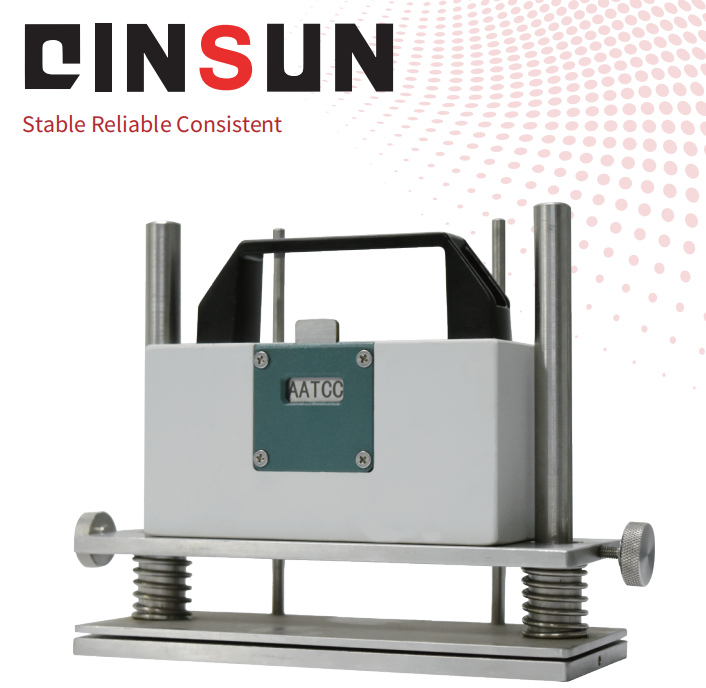
What is a Perspiration Tester used for?
A Perspiration Tester is a key testing instrument used to evaluate the color fastness performance of various textile materials under specific liquid environments. Its core function is to simulate and assess whether dyed textiles will experience color fading, staining onto other fabrics, or dye migration after exposure to liquids such as artificial perspiration, seawater, saliva, or distilled water.
Through these rigorous tests, it enables a scientific evaluation of the color durability and quality stability of textile products during real-life use, washing, or specific conditions such as sports, swimming, and infant use. It provides essential data for quality control, compliance verification, and performance improvement.
Color Fastness to Perspiration
Simulates acidic and alkaline human sweat to evaluate the color retention of dyed textiles during close-to-skin wear, including the effects of moisture and friction.
Color Fastness to Seawater
Simulates seawater conditions to test textiles (such as swimwear and marine garments) for color stability and resistance to fading under repeated exposure to seawater, sunlight, and drying.
Color Fastness to Saliva
Especially important for infant clothing, bibs, and skin-contact textiles. It evaluates whether dye migration or fading occurs when exposed to saliva, ensuring compliance with safety standards and reducing potential health risks.
Color Fastness to Water / Chlorinated Water
Suitable for products frequently exposed to tap water or chlorinated pool water, such as swimwear, towels, and home textiles. It assesses color durability and resistance to chlorine bleaching under wet conditions.
Yellowing (Phenolic Yellowing) Test
Some advanced models can evaluate the yellowing tendency of white or light-colored fabrics (especially those containing phenolic antioxidants) caused by exposure to nitrogen oxides during storage and transportation, helping monitor product stability and appearance retention.
What standards does a Perspiration Tester comply with?
A Perspiration Tester is mainly used to evaluate the color fastness of textiles under simulated conditions such as perspiration, seawater, and water. It complies with a wide range of international, national, and industry standards, as listed below:
International Standards
ISO 105-E04 — Color fastness to perspiration (acidic and alkaline)
ISO 105-E01 / E02 — Color fastness to water and seawater
AATCC 15 — Color fastness to perspiration (American standard)
AATCC 106 / 107 — Color fastness to water and seawater
Chinese Standards
GB/T 3922-2013 — Textiles — Test method for color fastness to perspiration (equivalent to ISO 105-E04)
GB/T 5713 — Color fastness to water
GB/T 5714 — Color fastness to seawater
Other Relevant Standards
DIN 54020 / 54006 / 54007 / 54072 — German standards covering perspiration, water, seawater, and PVC immersion tests
EN ISO 105 Series — European standards equivalent to ISO 105
GMW14141 — Automotive industry standard for evaluating dye migration of textile materials (using distilled or deionized water)
These standards ensure that test results are reliable, comparable, and compliant with global quality requirements, making the Perspiration Tester essential for textile testing, certification, and international trade.
How to use a Perspiration Tester?
A Perspiration Tester is a professional instrument used to evaluate the color fastness of textiles to perspiration. Its operation must strictly follow international and national standards such as ISO 105-E04. AATCC 15. and GB/T 3922 to ensure accurate and comparable test results.
The complete procedure includes sample preparation, solution preparation, immersion, pressure fixing, constant temperature treatment, and result evaluation.
1. Sample Preparation
Cut a standard specimen of 10 cm × 4 cm from the textile to be tested.
Prepare the required adjacent fabric (such as multi-fiber or single-fiber fabric) according to the standard.
Combine the specimen and adjacent fabric by stitching or close contact to form a composite test specimen.
2. Preparation of Simulated Perspiration Solution
Prepare either acidic or alkaline artificial perspiration solution depending on the test requirement.
Typical components include sodium chloride, urea, lactic acid, and phosphate buffer to simulate real human sweat.
In some cases, distilled water or seawater may also be used.
Refer to ISO 105-E04 or AATCC 15 for exact formulation and preparation procedures.
3. Sample Immersion
Fully immerse the composite specimen in the prepared solution to ensure complete and uniform wetting.
The standard soaking time is typically 30 minutes.
After immersion, remove the specimen and gently squeeze out excess liquid, avoiding excessive force that may deform or damage the sample.
4. Pressure Fixing
Place the wet specimen flat between standard plates (typically 115 mm × 60 mm × 1.5 mm, made of acrylic resin, glass, or similar materials).
Insert the plate assembly into the stainless steel test frame (usually capable of holding up to 20 specimens).
Apply pressure according to the selected standard:
GB/T 3922: 12.5 kPa
AATCC 15: 12 kPa
5. Constant Temperature Treatment
Transfer the loaded test frame into a temperature-controlled oven.
Maintain the temperature at 37°C ± 2°C and keep the specimens in this environment for 4 hours, simulating prolonged contact with perspiration during actual wear.
6. Drying and Evaluation
After treatment, remove the specimens and adjacent fabrics.
Dry them in circulating air at a temperature not exceeding 60°C.
Once completely dry, evaluate under standard lighting conditions:
Assess color change using the gray scale for color change
Assess staining using the gray scale for staining
Perform visual comparison and assign appropriate grades based on the standards.
This standardized procedure ensures reliable, repeatable, and internationally comparable test results for textile color fastness to perspiration.
How to maintain a Perspiration Tester?
Proper maintenance of a Perspiration Tester is essential to ensure accurate test results and extend the service life of the equipment. The key maintenance points are as follows:
1. Routine Cleaning and Care
After each use:
Drain any residual liquid from the device. Wipe the exterior, plates, and sample racks with a soft cloth to remove sweat solution or water residues.
Plates and specimen containers:
Clean the standard resin plates (115 × 60 × 1.5 mm) and specimen holders (typically 20 positions) to prevent staining or corrosion. Ensure they are completely dried after cleaning to avoid mold growth or residue buildup.
Stainless steel sample rack:
Regularly inspect for rust or contamination. Clean with a neutral detergent and dry thoroughly.
2. Environmental and Storage Requirements
Operating environment:
Place the instrument in a dry, well-ventilated area free from corrosive gases. Avoid direct sunlight and strong vibrations.
Long-term storage:
Completely drain internal moisture, disconnect the power supply, apply anti-rust treatment to metal components, and cover the instrument with a dust cover for proper protection.
3. Performance Verification and Calibration
Regular calibration:
According to standards such as GB/T 3922 and ISO 105-E04. use 500 cN / 1000 cN standard weights to verify that the applied pressure reaches 12.5 kPa.
Temperature control check:
Ensure the oven temperature remains stable at 37 ± 2°C. If necessary, verify and calibrate using a standard thermometer.
4. Preventive Maintenance Recommendations
Monthly performance verification:
Conduct simulated tests using standard fabrics and artificial perspiration solutions to verify repeatability and accuracy.
Maintenance records:
Keep detailed logs after each cleaning, calibration, or verification, including date, operator, and results, to ensure traceability of equipment condition.
Consistent and standardized maintenance not only improves testing reliability but also helps ensure compliance with international testing standards and long-term operational stability of the Perspiration Tester.
Why is a Perspiration Tester so important?
A Perspiration Tester is essential because it plays a critical role in textile quality control and consumer safety. Its importance is reflected in the following key aspects:
1. Evaluating Sweat Resistance of Textiles
Human sweat contains salts, urea, and lactic acid, which can cause dyes to fade or transfer.
A Perspiration Tester simulates both acidic and alkaline sweat conditions to assess the color stability of fabrics, ensuring they do not easily fade or stain other garments during actual wear.
2. Ensuring Consumer Health and Comfort
Sweat testing helps determine whether textiles release harmful substances (such as certain heavy metals or allergenic dyes).
This is especially important for garments in direct contact with skin, including underwear, sportswear, and infant clothing. Poor-quality products may cause skin irritation or allergic reactions.
3. Meeting International Standards and Regulations
The instrument operates in accordance with recognized standards such as ISO 105-E01/E02/E04. AATCC 15/106/107. and GB/T 3922.
Compliance with these standards is often mandatory for exporting textiles to markets in Europe, the United States, Japan, and other regions, making it a fundamental requirement for global trade.
4. Improving Product Reliability and Brand Reputation
By identifying color fastness issues early in the production process, manufacturers can optimize dyeing and finishing processes, reduce customer complaints and returns, and enhance brand credibility.
5. Supporting Innovation in Functional Textiles
With the development of smart wearables and moisture-wicking fabrics, perspiration testing is no longer limited to color fastness.
It is also used to evaluate breathability, moisture absorption, and material stability when exposed to sweat, providing valuable data for advanced textile development.
In summary, the Perspiration Tester is not only a key quality control tool in traditional textile industries but also a vital instrument in the development of modern functional fabrics.It ensures compliance with strict quality standards, enhances product durability, supports innovation, and safeguards consumer health and comfort. As such, it has become an indispensable piece of equipment in both industrial production and laboratory research.We welcome further inquiries and discussions to explore more about its technical specifications, applications, and practical use cases.