

FAQs About Fogging Tester
The Fogging Tester is a specialized precision device designed to evaluate the evaporation, diffusion, and subsequent condensation characteristics of volatile components in interior materials of automobiles, aircraft, and other vehicles under simulated high-temperature conditions.The core working principle and ultimate objective of the device are to accelerate the release of potential volatile organic compounds (VOCs) from the tested materials under precisely controlled high-temperature conditions. This allows for a systematic assessment of whether these released substances condense into fog or oily films on cold surfaces, such as windshields and side windows.The formation of such condensation can significantly impair visibility within the cockpit or passenger cabin and may also contaminate interior surfaces, posing potential risks to driving safety, as well as occupant comfort and health. Therefore, fogging testing is essential for material selection, product quality control, and verification of compliance with safety standards.
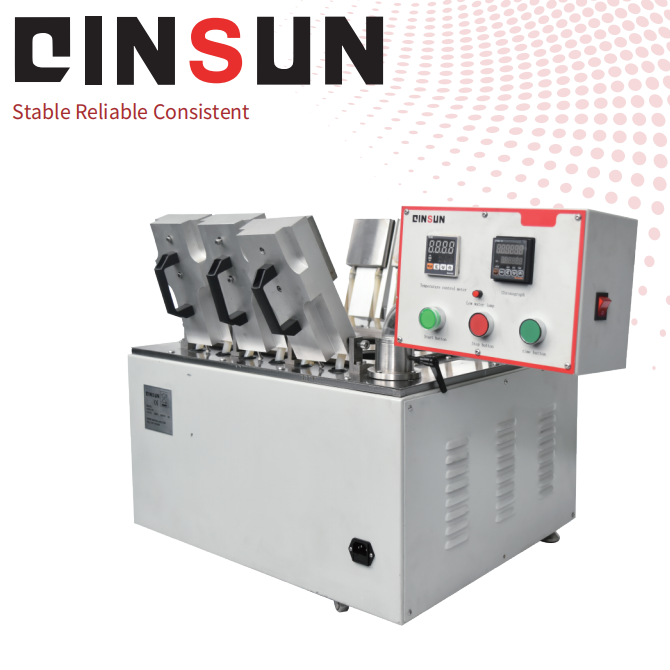
What is the purpose of a fogging tester?
The Fogging Tester is primarily used to evaluate the evaporation and condensation characteristics of volatile components in interior materials of automobiles, aircraft, and other vehicles under high-temperature conditions. Its core applications include:
Assessing Fogging Performance of Interior Materials:
Simulates high-temperature in-vehicle environments (e.g., sunlight exposure) to test whether volatile substances released from plastics, leather, textiles, adhesives, polyurethane, and other materials condense on windshields or side windows, potentially affecting driver visibility.
Ensuring Driving Safety and Health:
Condensation from volatile substances may obstruct the driver’s view, while some volatiles can be harmful to human health. The tester helps identify low-emission, low-toxicity materials.
Supporting Multiple Testing Methods:
Gloss Method (Standard): Calculates fogging value by measuring changes in the gloss of the glass plate before and after condensation.
Weight Method (Standard, requires additional balance): Determines the mass of volatile substances by measuring the weight difference of aluminum foil before and after condensation.
Haze Method (Optional): Measures the reduction in light transmission through the glass plate, reflecting the decline in optical performance.
Which standards does the fogging tester comply with?
The Fogging Tester is primarily used to evaluate the condensation behavior of volatile components in interior materials of automobiles, aircraft, and other vehicles under high-temperature conditions. The test results are required to comply with multiple international and industry standards. This type of equipment generally conforms to the following standards:
DIN 75201 (Germany): Determines the fogging characteristics of automotive interior trim materials.
ISO 6452 (International): Measures fogging and condensation performance of automotive interior components made of rubber, plastics, and artificial leather.
SAE J1756 (USA): Specifies testing methods for fogging characteristics of automotive interior materials.
QB/T 2728 (China): Light industry standard for evaluating the fogging performance of leather materials.
PV 3015 / PV 3920 (Germany, Volkswagen): Internal standards for assessing condensable components in non-metallic interior materials.
BS EN 14288 (Europe): Measures fogging characteristics of leather materials.
Other enterprise- or country-specific standards: e.g., NES M0161 (UK), TSM 0503G (Toyota), GM 9305P (General Motors), D45 1727 (Mercedes-Benz).
These standards collectively cover the three core testing methods: Gloss Method, Weight Method, and Haze Method, among which:
Gloss Method and Weight Method are standard on most equipment.
Haze Method usually requires an additional haze meter.
Therefore, the design and operation of Fogging Testers (such as products from Hong Kong Standard Group) strictly adhere to these standards to ensure the accuracy and compliance of test data.
Which industries are suitable for using a Fogging Tester?
Automotive Industry:
Used to test the volatile components of automotive interior materials, such as plastics, leather, textiles, adhesives, polyurethane, nonwoven fabrics, and thermoplastic elastomers, under high-temperature conditions.
Evaluates the impact of these volatiles on windshield visibility and in-cabin air quality.
Complies with international and industry standards, including DIN 75201. ISO 6452. SAE J1756. and QB/T 2728.
Aerospace Industry:
Tests the high-temperature volatilization performance of aircraft interior materials.
Ensures cabin safety and visibility.
Material R&D and Quality Control:
Applicable to manufacturers of plastics, rubber, leather, textiles, and other materials.
Provides standardized testing of volatile organic compound (VOC) emissions and fogging performance.
Third-Party Testing Laboratories:
Offers testing solutions that comply with international standards for automotive and interior material certification services.
How to operate a Fogging Tester?
Proper operation of the Fogging Tester must strictly follow standardized procedures to ensure accurate and reliable test results. The main steps are as follows:
Sample Preparation
Cut samples according to the relevant standards (e.g., leather samples typically 80 mm in diameter).
Dry the samples in a controlled temperature and humidity environment (e.g., 23 ± 2℃) for at least 2 days to prevent interference from moisture.
Power-On and Preheating
Turn on both the high-temperature and low-temperature baths.
Set the target temperatures (e.g., high temperature 100℃, low temperature 21℃).
Wait until the temperatures stabilize within ±0.1℃ of the set points.
Cleaning and Assembly
Thoroughly clean the fogging cup, glass plate, or aluminum foil, and ensure they are completely dry.
Place the sample in the fogging cup.
Assemble the cup from top to bottom with the sealing ring, glass plate/aluminum foil, filter paper, and cooling plate.
Start the Test
Place the assembled fogging cup into the high-temperature bath.
Activate the cooling system (cooling water temperature typically 21℃).
Heat according to the standard duration (e.g., 16 hours) while maintaining stable temperature conditions.
Cooling and Measurement
After the test, remove the glass plate or aluminum foil.
Place the condensation-facing side upward in a dryer and dry for 3.5–4 hours.
Measure optical or weight changes before and after condensation using a gloss meter, haze meter, or electronic balance as appropriate.
Data Processing
Compare pre- and post-condensation data.
Calculate the fogging value, including gloss reduction rate, haze increase, or weight difference.
Use these results to evaluate the fogging performance of the material.
How should a fogging tester be maintained after use?
Proper maintenance after using the Fogging Tester is essential to ensure equipment accuracy and extend its service life. Based on the device characteristics, the key maintenance points are as follows:
Daily Maintenance (After Each Use)
Clean the Fogging Cup and Glass Plate/Aluminum Foil:
After testing, promptly remove the fogging cup, glass plate, or aluminum foil.
Thoroughly clean with water or a specialized cleaning solution to remove residual volatiles.
Wipe with a soft cloth or air-dry to avoid contamination of the next test.
Cool the Equipment:
Allow the high-temperature and low-temperature baths to naturally cool to room temperature before cleaning or storage, preventing thermal stress damage to components.
Inspect Spray or Airflow Systems (if applicable):
Check nozzles for blockages.
If necessary, flush with compressed air or clean with water.
Drain Condensate:
Open the drain valve of any condensate collection device to remove residual liquid, preventing corrosion or microbial growth.
Wipe External Surfaces:
Use a soft, lint-free cloth to clean the equipment exterior, removing dust, salt residues, or oil stains to maintain a clean appearance.
Periodic Maintenance (Recommended Monthly or Based on Usage Frequency)
Calibrate Temperature Control System:
Verify the accuracy of the high-temperature bath (±0.1℃) and low-temperature bath.
Calibrate against a standard thermometer if necessary.
Inspect Seals:
Check fluororubber sealing rings and cover plate seals for aging or deformation.
Replace as needed to maintain airtightness.
Clean Heat Transfer Medium:
If using heat transfer oil (e.g., DIDP, DOP), inspect for degradation or contamination.
Filter or replace as required.
Function Test:
Run an idle program to ensure proper operation of heating, cooling, timing, and alarm systems.
Long-Term Storage Maintenance
Thorough Cleaning and Drying:
Completely dry all components after cleaning, especially glass plates and aluminum foil, which are prone to oxidation.
Power Off and Store Properly:
Disconnect power, cover the device with a dust-proof cover, and store in a dry, ventilated, and shaded environment.
Periodic Power-On:
For long-term inactivity, power the device on for 1–2 hours every 1–2 months to prevent moisture-induced electronic failure.
Why is the atomization tester so important?
The Fogging Tester plays a critical role in controlling volatile substances released from automotive interior materials, directly impacting driving safety and passenger health. Its key functions are summarized as follows:
Ensuring Driving Safety:
Automotive interior materials such as plastics, leather, and adhesives release volatile organic compounds (VOCs) under high-temperature conditions.
These substances can condense on windshields or windows, forming fog that significantly reduces driver visibility and increases accident risk.
The Fogging Tester quantifies the fogging tendency of materials, ensuring compliance with safety standards.
Protecting Human Health:
Some volatile substances, including benzene derivatives and phthalates, are toxic and may harm the respiratory system, nervous system, or even pose carcinogenic risks with prolonged exposure.
Fogging testing helps select low-emission, low-toxicity materials, contributing to improved in-cabin air quality.
Meeting Regulatory and Standard Requirements:
Major global automotive standards, including DIN 75201. ISO 6452. SAE J1756. and QB/T 2728. mandate fogging performance testing for interior materials.
The Fogging Tester is an essential tool for product compliance and market access.
Enhancing Product Quality and Brand Reputation:
Rigorous testing prevents customer complaints, product recalls, or legal disputes due to interior material issues.
It strengthens consumer confidence in vehicle quality.
Overall, the Fogging Tester is a vital testing instrument whose importance and application value merit careful attention and thorough understanding. We sincerely invite you to visit our official website to explore detailed product features, comprehensive technical specifications, and real-world application cases, providing insight into how this advanced equipment can play a pivotal role in your R&D and production processes, effectively improving operational efficiency and product quality.