

What is color stability of dental composite?
A Dental Material Color Stability Tester is a specialized instrument used to evaluate the color stability of dental restorative materials (such as crowns, veneers, dentures, denture base polymers, etc.) under simulated oral environments or artificially accelerated aging conditions.The purpose of developing this instrument is to provide a standardized and repeatable method for evaluating the color stability of dental restorative materials—including crowns, veneers, dentures, composite resins, zirconia, and other materials—to ensure their long-term aesthetic performance and clinical reliability in the oral environment.Its core function is to quantitatively measure color differences caused by factors such as light exposure, temperature, humidity, and staining media through standardized testing, thereby determining the long-term aesthetic durability and performance of dental materials.
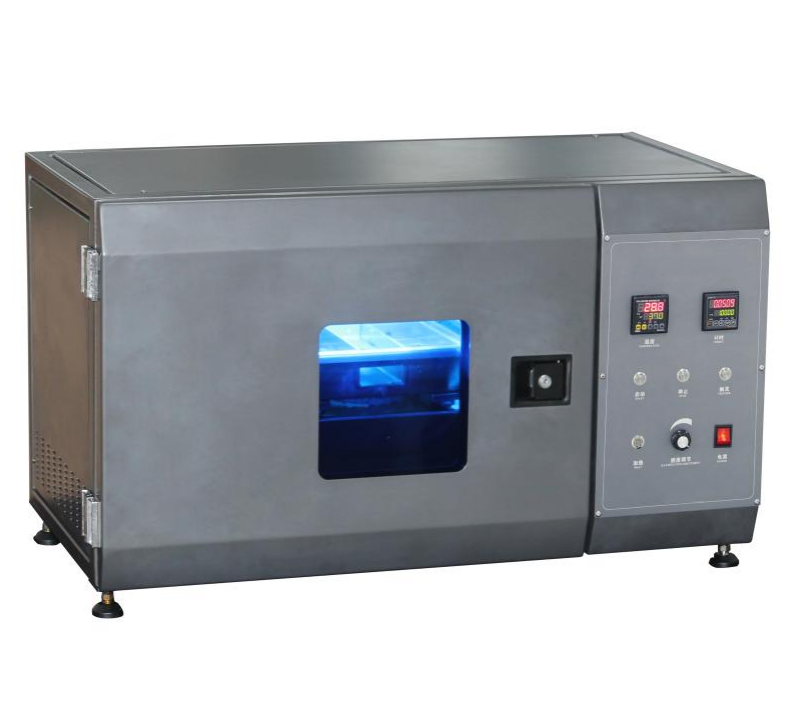
Why the Dental Material Color Stability Tester Has Become the Industry’s Mainstream Choice
The Dental Material Color Stability Tester has become a mainstream solution in the industry mainly because of its unique advantages in simulating oral environments, quantifying color-change resistance, and supporting quality control and clinical decision-making.
1. Accurate Simulation of the Real Oral Environment
Uses a xenon lamp light source (illuminance up to 150.000 lx ±10%, color temperature range 5000K–10000K) to simulate natural daylight and indoor lighting conditions.
Equipped with a constant-temperature water bath system (37°C ±1°C) to precisely replicate oral temperature.
Includes humidity control and immersion testing functions to simulate saliva exposure and the humid environment created by daily food and beverage consumption.
2. Standardized and Repeatable Testing Process
Complies with national and industry standards such as YY/T 0631-2008 and YY0270.1-2011.
Automatically records the initial color values and performs periodic re-measurement, calculating the color difference ΔE to ensure objective and quantifiable results.
Supports batch testing (e.g., up to 200 samples simultaneously), significantly improving testing efficiency.
3. Multi-Dimensional Application Value
For manufacturers: Enables screening of stain-resistant materials, optimization of product formulations, and compliance with regulatory certification requirements.
For dentists and dental technicians: Helps select restorative materials with longer-lasting aesthetic performance (such as dentures and veneers), reducing clinical repair or replacement rates.
For research institutions: Supports durability research on emerging materials such as bioactive resins and advanced ceramics.
4. Advanced Technical Parameters and User-Friendly Operation
Features a PLC control system with a 7-inch touchscreen interface, supporting Chinese and English language switching for intuitive parameter setting.
The testing chamber is made of 304 mirror-polished stainless steel, offering strong corrosion resistance and easy cleaning.
Equipped with air-cooled xenon lamps and a circulating air system, ensuring stable long-term operation of the instrument.
In summary, this type of tester evaluates the color stability of dental materials in a scientific, efficient, and standardized manner, making it an essential tool for material development, quality control, and clinical application.
How to Operate a Dental Material Color Stability Tester
The Dental Material Color Stability Tester is mainly used to assess color changes of dental materials under conditions such as light exposure and water bath environments. The operation procedure is as follows:
1. Sample Preparation
Prepare the dental denture base polymer or other test material into standard specimens (usually disc-shaped or tooth-shaped).
Ensure the sample surface is clean and free of scratches or damage, which may otherwise affect test results.
2. Equipment Parameter Settings
Set the water bath temperature to 37 ±1°C to simulate the oral environment.
Adjust the xenon lamp irradiance to (2.5–17) × 10⁴ lx, meeting the requirements of YY/T 0631-2008.
Maintain a distance of 10 mm ±5 mm between the sample and the water surface to ensure uniform immersion and illumination.
The timing range can be set from 0 to 999.999 hours, depending on the experimental requirements.
3. Light Exposure and Water Bath Treatment
Place the specimens into the tester where they are subjected to simultaneous xenon lamp irradiation and 37°C water bath treatment.
The instrument typically uses a 1500 W xenon lamp, with a power supply requirement of AC220V ±10%, 50Hz, 3000W.
4. Color Evaluation
After irradiation, remove the specimens.
Three observers with normal color vision perform visual comparison under the following conditions:
Background: diffuse white background with approximately 90% reflectance
Surrounding area: diffuse gray background with reflectance of (30 ±5)%
Viewing distance: 200–300 mm
Observation time: no longer than 2 seconds
Lighting conditions: north-facing diffuse daylight without direct sunlight, or 1000–2000 lx xenon lamp / D65 standard light source
If the three observers reach different conclusions, the majority opinion prevails.
5. Recording and Evaluation
Record each observer’s judgment regarding whether obvious discoloration is present.
Determine whether the material meets the color stability requirements according to the relevant standard.
Routine Maintenance Procedures
The Dental Material Color Stability Tester is a professional device used to evaluate the color stability of dental materials under light and temperature conditions. Based on its working principles and maintenance practices for environmental testing instruments, the key maintenance points include the following:
1. Cleaning the Instrument Surface and Optical Components
Use a soft, lint-free cloth to gently wipe the instrument housing and measurement window.
Do not use cleaning agents containing organic solvents (such as ethanol or acetone) to avoid damaging optical lenses or coatings.
2. Sample Chamber and Sample Holder Maintenance
Remove specimens promptly after each test to prevent residue from corroding the sample holder or water bath system.
Regularly inspect the sample holder for looseness or rust; if necessary, clean it with distilled water and dry thoroughly.
3. Environmental Control
Place the instrument in a stable environment with constant temperature (typically 20–25°C) and humidity, avoiding direct strong light.
Avoid installation near vibration sources or strong electromagnetic fields, which may affect measurement accuracy.
4. Light Source (Xenon Lamp) Management
The xenon lamp is a critical component; prolonged use can cause irradiance attenuation.
Record lamp usage time and replace it periodically according to manufacturer recommendations (usually every 500–1000 hours).
Wear protective gloves when replacing the xenon lamp to prevent fingerprints from contaminating the quartz tube.
5. Calibration and Verification
Perform color calibration at least once per month, using a standard white calibration plate (e.g., CIE standard white tile).
Before calibration, allow the instrument to preheat for at least 30 minutes and perform calibration in a stable temperature and humidity environment.
Core Advantages
The core advantage of the Dental Material Color Stability Tester lies in its ability to accurately, efficiently, and systematically evaluate the stain resistance and color change behavior of restorative materials under simulated oral conditions, which is reflected in the following aspects:
High-Throughput Testing Capability
Some models (such as the RS-01 dental block staining tester) can accommodate up to 200 specimens in a single test, significantly improving batch testing efficiency, especially in R&D and manufacturing quality control scenarios.
Accurate Simulation of the Oral Environment
Water bath temperature control at 37 ±1°C, closely matching actual oral temperature.
Equipped with a xenon lamp irradiation system (2.5–170.000 lx) to simulate the long-term effects of natural or indoor light on materials.
Supports multiple staining media (such as coffee, tea, cola, and fruit juice) to reproduce common clinical staining conditions.
Flexible Testing Modes
Provides both “time-based operation mode” and “rotation-based operation mode,” allowing parameters to be customized according to experimental protocols.
Broad Compatibility
Fixtures accommodate a wide size range (e.g., 0–13 mm).
Custom fixtures can be designed for special specimen sizes.
Suitable for various restorations such as crowns, veneers, 3D-printed dentures, and clear aligners.
Compliance with International and Industry Standards
The instrument is designed according to standards such as T/COCIA 7-2020 and YY/T 0631-2008. ensuring that test results are comparable, reliable, and authoritative.
Data Recording and Traceability
Some models can store up to 2000 sets of test data, facilitating result analysis and quality traceability.
In a broader sense, the Dental Material Color Stability Tester is reshaping the doctor–patient relationship. It is no longer merely a testing device, but also a visual bridge of trust between dentists and patients.In traditional practice, when patients questioned discoloration of veneers or restorations, dentists could only provide subjective explanations. With the tester, quantifiable ΔE values, aging curves, and comparative charts transform aesthetic disputes into objective evidence.Patients can clearly observe how everyday habits—such as frequent coffee consumption—may affect the color stability of restorative materials. This transparency enables patients to better understand professional recommendations.By making data transparent, patients shift from passive recipients of treatment to informed decision-makers. Dentists can use test reports to demonstrate the long-term value of treatment options, improving patient confidence and reducing aesthetic disputes.
Beyond technological advancement, this represents a digital evolution of medical humanism. From the perspective of digital health equity, such equipment allows community dental clinics to provide color-selection accuracy comparable to top-tier hospitals, thereby narrowing the gap in aesthetic dental care resources.