

What is a Ozone Aging Test Chamber?
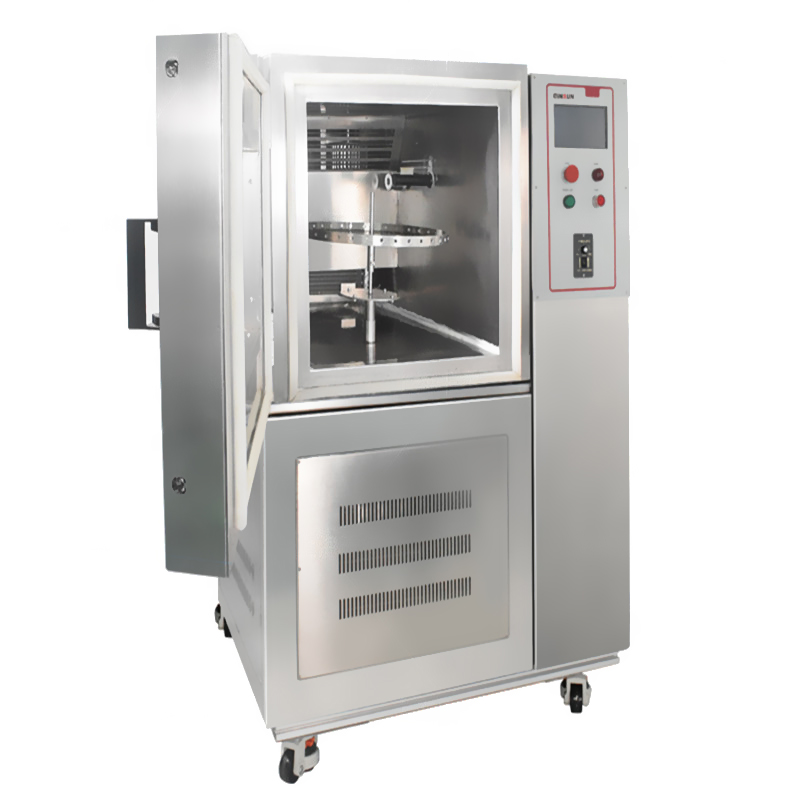
The Ozone Aging Test Chamber, commonly referred to as an “Ozone Aging Tester,” is a precision laboratory instrument designed to simulate and evaluate the durability of materials in an ozone-rich environment. It is primarily used for various rubber products, including vulcanized rubber and thermoplastic rubber, such as the insulation and sheathing of cables. Under static tensile deformation, samples are placed in a strictly sealed, completely dark, and temperature-controlled chamber with a constant ozone concentration. A series of aging tests is conducted according to preset durations to assess the material’s ozone resistance and predict its service life under real-world conditions.
Working Principle
The ozone aging test chamber achieves simulation testing by precisely controlling critical parameters. Its core principle involves generating ozone using an ozone generator, which converts oxygen into ozone through either corona discharge or ultraviolet irradiation. The chamber combines this with a temperature and humidity control system and an air circulation system to create a uniform and stable test environment.
Additionally, the chamber may include static or dynamic stretching devices to simulate the actual stress conditions of the material, making the test results more relevant. This system is widely used to evaluate the ozone resistance of materials such as rubber, plastics, coatings, wires, and cables.
Usage Instructions
Equipment Installation and Setup
Installation Environment:
Place the chamber in a well-ventilated area, away from direct sunlight and strong vibrations.
Maintain ambient temperature between 15–30°C, and relative humidity ≤85% for proper operation.
Power Requirements:
Connect the chamber to a stable power supply; voltage fluctuations should not exceed ±10% of the rated voltage.
Use a dedicated outlet and avoid sharing with high-power equipment.
Initial Testing:
Before first use, perform an empty-run test to verify that the ozone generator, temperature/humidity control system, and circulation fans operate correctly.
Only begin formal testing once all systems function normally.
Sample Preparation and Placement
Sample Preparation:
Prepare samples according to testing standards (e.g., GB/T 7762. ISO 1431), ensuring proper size, shape, and cleanliness.
Remove oils, dust, or other contaminants.
Sample Placement:
Place samples evenly on the chamber racks without overlapping or obstruction to ensure uniform ozone exposure.
Maintain a safe distance from chamber walls to prevent local overheating.
Test Parameter Settings
Ozone Concentration:
Set the ozone concentration according to test requirements, typically 25–200 pphm (1 pphm = 1.0×10⁻⁶ volume fraction).
Adjust concentration using the ozone generator and monitor it in real time with the built-in sensor.
Temperature and Humidity:
Set chamber temperature, generally 40±2°C.
Adjust humidity as required, noting that high humidity may affect ozone stability.
Test Duration:
Set aging time based on material ozone resistance, usually between 24–168 hours.
Samples can be periodically observed during the test to track changes.
Starting the Test
Confirm all parameters, then start the chamber.
The system will automatically maintain ozone concentration, temperature, and humidity while timing the test.
Observe samples through the viewing window or monitoring system, but avoid frequent door openings to maintain environmental stability.
Test Completion and Sample Evaluation
Ending the Test:
Turn off the ozone generator and activate the exhaust system to remove residual ozone.
Only remove samples once ozone concentration drops to a safe level (typically <0.1 ppm).
Sample Evaluation:
Inspect the samples visually for cracks, discoloration, or other signs of aging.
Conduct performance tests, such as tensile strength and elongation measurements.
Record all data and analyze the degree of aging.
Maintenance and Care
Maintain sufficient space between the chamber and walls or other equipment for maintenance.
Avoid rapid temperature fluctuations in the installation area.
Keep the chamber dry when not in use; drain water and wipe the interior and casing.
Install the chamber in a well-ventilated area; installing an exhaust fan is recommended.
Avoid dusty locations.
Keep the chamber away from chemicals, flammable, or explosive materials.
Ensure the wastewater discharge system is properly installed.
After each test, remove samples and clean the chamber interior.
Cover the exterior with a plastic cover to prevent dust accumulation.
Ozone Safety
The chamber generates high-concentration ozone to test non-metallic and organic materials, such as coatings, rubber, plastics, paints, and pigments.
High ozone concentration can be hazardous if not properly managed. The chamber is equipped with two exhaust valves at the back (normally closed). Connect them to the outside and activate the ozone exhaust function. A fan forces high-concentration ozone outside.
Ozone decomposes rapidly into oxygen at room temperature, so there is no long-term inhalation risk after proper ventilation.
Health Note:
Prolonged exposure to ozone can cause coughing, respiratory difficulty, reduced lung function, chest discomfort, fatigue, skin aging, nausea, headaches, rapid pulse, memory loss, and vision problems.
In daily life, exposure to ozone is negligible because it naturally decomposes into oxygen in approximately 30 minutes.
If the chamber is properly sealed, there is minimal risk of ozone leakage during operation. Users can leave the room if concerned and return once the test duration ends and ozone dissipates.
The ozone aging test chamber is a crucial tool for evaluating material resistance to ozone. Correct operation and maintenance are essential for reliable test results. Operators must strictly follow safety protocols, maintain the equipment regularly, and carefully manage environmental conditions and sample handling. Through scientific testing and rigorous data analysis, the chamber provides accurate insights into material aging under ozone exposure, supporting product development and quality control.