

What is a Fat End Type of Thread EndSuction Machine?
In the textile and garment manufacturing industry, large amounts of loose threads, fiber fragments, lint, and other fine solid debris are generated during cutting and sewing processes. These residues not only affect workplace cleanliness and operational safety but can also impact product appearance, equipment operation, and automation in subsequent processes. To efficiently remove these fine textile residues, improve production efficiency, and ensure the safety and comfort of equipment and personnel, companies widely use a specialized cleaning device—the End Suction Thread-End Suction Machine. This equipment removes loose threads and fiber dust through suction, offering convenient operation, space-saving design, and a significant improvement in cleanliness.
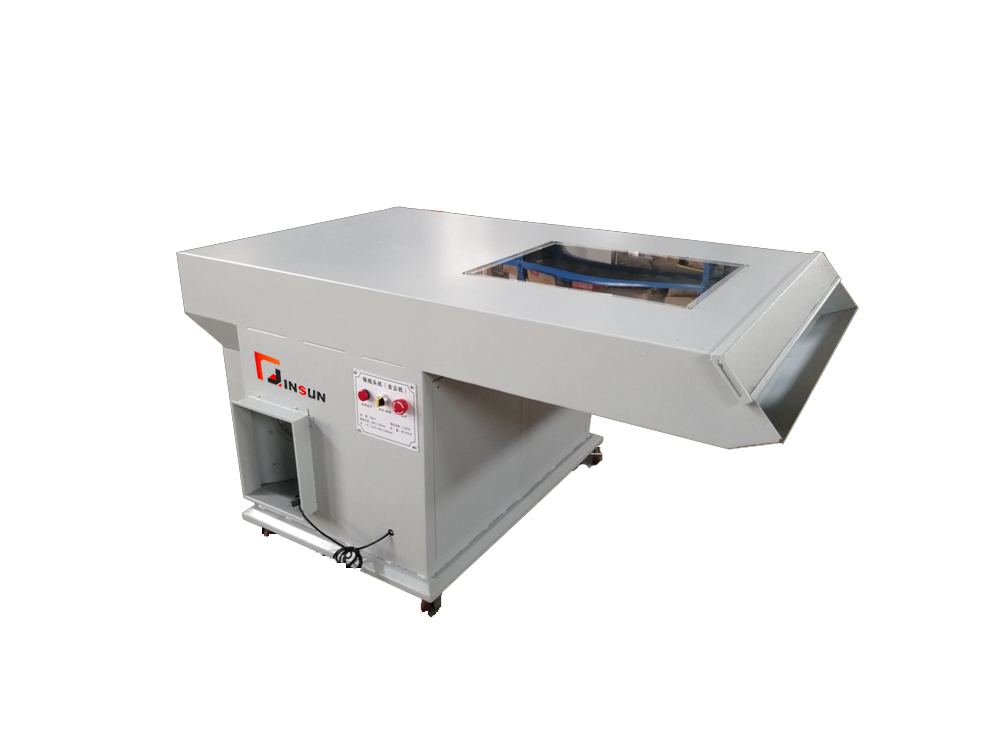
This article provides a comprehensive overview of the end suction thread-end suction machine, including its basic principles, structural design, working mechanism, technical specifications, applications, selection and maintenance considerations, and potential future developments.
What Is an End Suction Thread-End Suction Machine
An end suction thread-end suction machine is a lightweight cleaning device used in textile and garment production sites. Its primary function is to remove fine solid particles, such as loose threads and fiber dust generated during fabric cutting and sewing. While similar in principle to conventional vacuum cleaners, this equipment is specifically designed for textile environments.
The end suction structure allows the suction inlet to be positioned close to the work surface, efficiently capturing electrostatically adhered fibers and fine threads, thereby improving removal efficiency. Depending on the design, the machine can be desktop, vertical, or equipped with a built-in dust collection system.
These machines are designed to occupy minimal space, be ergonomically user-friendly, and have flexible suction inlets and movable bodies for easy operation in both standing and seated positions. Many are equipped with caster wheels for easy mobility, further improving production line cleaning efficiency. Compared to traditional vacuums, end suction machines are optimized for textile cleaning with stronger suction, specialized inlet shapes, and efficient dust collection, making them more professional and effective.
Structural Design and Working Principle
The term “end suction” originates from pump terminology, where the suction inlet is located at the end of the device, and fluid is drawn in from one direction and discharged from another. This layout is widely used in centrifugal pumps for its simplicity and ease of installation and maintenance.
Similarly, in suction machines, the end suction design positions the inlet directly in front of the work surface, significantly enhancing the capture of fibers and threads.
Core Components:
Suction System: Consists of an electric motor and fan, creating negative pressure to draw in surrounding air and debris.
Inlet and Ducting: Inlets are often long or edge-shaped, positioned close to the table surface. Ducts guide the airflow to the dust collection system.
Filtration and Dust Collection: Filters and dust bags/boxes trap fibers and threads, preventing them from entering the fan and exhaust.
Base and Mobility Features: Caster wheels and lightweight design allow easy movement across the workshop.
Working principle: The fan generates negative pressure → surrounding air with threads and fiber debris is drawn into the inlet → airflow passes through ducts → filters trap solid particles → clean air is exhausted, and debris collects in the dust bag. Filters and dust containers must be cleaned or replaced regularly to maintain suction efficiency.
Key Technical Specifications
Performance evaluation typically considers the following parameters:
Airflow and Suction Strength: Airflow is measured in cubic meters per hour, indicating the volume of air and debris removed per unit time. Suction strength at the inlet determines the machine’s ability to pick up fine threads and fiber dust.
Filtration Efficiency and Dust Capacity: High-efficiency filters capture fine fibers and minimize dust dispersion. Dust capacity affects the frequency of emptying, influencing continuous cleaning ability.
Machine Size and Mobility: Compact, lightweight designs with caster wheels facilitate easy movement in crowded workshops.
Motor Power and Energy Consumption: Motor output affects suction power. Designs balance suction, stability, and energy efficiency for long-term operation.
Application Scenarios
Although primarily used on garment production lines, these machines are applicable in various textile and light industrial environments:
Textile and Garment Production Lines: Quickly removes threads, short fibers, and dust produced by sewing and cutting machines, improving workplace hygiene and operator comfort.
Weaving and Fiber Processing Workshops: Regular removal of accumulated fibers prevents equipment clogging and protects air quality.
Garment Accessories and Finishing Departments: Captures loose fibers on collars, cuffs, and other small components, reducing manual trimming work and improving quality consistency.
Workshop Environment Maintenance: Reduces airborne fibers, improving overall air quality and lowering fire hazards.
Selection and Procurement Considerations
Key factors for selecting an end suction thread-end suction machine:
Matching Work Efficiency to Production Pace: Choose airflow and dust collection capacity according to production speed and fiber dust volume.
Inlet Design and Installation: Adjustable inlets and different sizes can optimize cleaning efficiency. Flexible ducts can support fixed cleaning channels.
Filter and Maintenance Convenience: Easily replaceable filters and dust bags reduce downtime and maintenance costs.
Mobility and Footprint: Lightweight models with caster wheels suit frequently changing workstations, while fixed stations may use ducted centralized systems.
On-Site Use and Maintenance
Daily Checks and Cleaning: Inspect inlets and dust containers for blockages; clean filters and replace dust bags regularly.
Motor and Fan Maintenance: Check power lines, bearings, and fan blades; address abnormal noise, vibration, or reduced suction immediately.
Safety Practices: Operators should avoid placing hands or objects near the inlet while the machine is running and maintain a clean surrounding area.
Filter Replacement Schedule: Adjust based on dust volume and usage frequency to maintain suction performance.
Industry Trends and Future Development
As textile production automation increases, the end suction thread-end suction machine is evolving:
Intelligent and Automated Operation: Machines can link with production lines for smart start/stop and suction adjustment, improving energy efficiency.
Enhanced Filter Materials and Design: Development of high-efficiency, clog-resistant filters extends runtime and improves suction.
Modular and Centralized Systems: Multiple inlets can connect to a central vacuum system through duct networks for large workshops.
Safety and Environmental Improvements: Technologies for dust suppression and electrostatic control enhance air quality and worker safety.
The end suction thread-end suction machine is a highly specialized cleaning device that plays an indispensable role in the textile and garment industry. Its professional end suction design, efficient airflow system, and effective dust collection mechanism solve the challenges of residual fibers and thread removal, ensuring production efficiency, product appearance, employee health, and clean workspaces. Proper model selection, parameter configuration, and routine maintenance are essential for long-term performance. Future development trends will drive these machines toward intelligent, centralized, and environmentally friendly operation, further enhancing automation and cleanliness on textile production lines.