

What is the ISO standard for flammability test?
As industrial, construction, transportation, and consumer product sectors increasingly demand higher safety performance, material flammability testing has become an essential aspect of design, manufacturing, and regulatory compliance. “Flammability testing” refers to standardized experimental methods used to evaluate a material’s combustion behavior, burn rate, heat release, and flame spread when exposed to fire or heat sources. These tests are not only critical for material safety assessment but also serve as key references for international trade, certification, and product design.
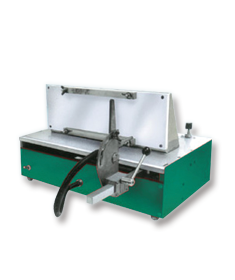
The International Organization for Standardization (ISO), as a globally recognized standard-setting body, has developed a comprehensive system of flammability testing standards covering various materials and applications. These standards apply to textiles, plastics, construction materials, conveyor belts, protective clothing, and more, playing a significant role in fire safety evaluation. ISO flammability testing emphasizes scientific and repeatable methods and, due to its international adoption, serves as an important reference for regulations and industry guidelines in multiple countries.
This article systematically introduces key ISO standards related to flammability testing, including testing objectives, scope, methods, evaluation metrics, and practical significance. By categorizing and analyzing these standards, readers can gain a comprehensive understanding of the international framework for material flammability assessment and learn how to effectively apply these standards in engineering and safety evaluations.
Overview of ISO Flammability Testing Standards
ISO has established numerous standards in the “reaction to fire and flammability” field, covering different materials, testing methods, and evaluation metrics. These standards are generally categorized under reaction-to-fire tests or flammability test systems. The core features of the ISO flammability standards system are international applicability, methodological consistency, and scientific evaluation criteria.
The main categories of ISO flammability testing standards include:
Textile flammability testing – covering surface ignition, flame spread, and other textile-specific tests;
Plastic flammability testing – including oxygen index, combustion behavior, and related evaluations;
Construction product fire reaction testing – addressing small flame ignition, heat release, and related performance;
Material-specific flammability tests – for products such as conveyor belts and protective clothing;
Large-scale fire behavior testing – evaluating overall building fire performance or heat release rate.
Although these standards differ in name and focus, their ultimate goal is to standardize test methods for material combustion behavior, ensuring comparability and repeatability of results, and providing reliable data for fire hazard assessment and material safety evaluation.
ISO Flammability Standards for Textiles
Textiles are widely used in clothing, interior decoration, bedding, and industrial fabrics, and their flammability characteristics are closely tied to fire risk. ISO has developed multiple specialized standards for textile flammability.
Small Flame Surface Ignition Test
ISO 15025 is a key textile flammability standard, defining how to test fabrics using a small flame. The standard evaluates whether materials ignite easily, how they burn, and the extent of flame spread. This test is widely used for mattress coverings, interior decorative fabrics, and apparel, and serves as a foundational fire safety assessment method in many regulatory and certification frameworks.
During testing, textile specimens are pretreated and exposed to a flame of specified size and position. Observations include ignition occurrence, flame spread, and burn duration, allowing the assessment of flammability rating and performance. This test effectively reflects the real-world ignition risk of materials, making it valuable in textile development and safety regulation.
Vertical Flame Spread Test
ISO 6941 addresses flame spread behavior of textiles in the vertical orientation. It evaluates the speed and extent of flame propagation when fabrics are exposed to fire vertically, which is particularly relevant for clothing, curtains, and decorative fabrics.
This test simulates real-world scenarios where materials are suspended or vertically positioned, providing data on flame propagation rate and damage extent, supporting safer fabric design and fire safety standard development.
Ignition Temperature and Combustion Properties
ISO 6940 measures the ignition temperature of textiles, i.e., the minimum temperature at which a material ignites when in contact with a heated plate. This metric is crucial for evaluating susceptibility to heat-induced ignition and plays a key role in textile fire protection research.
Standardized testing quantifies a material’s response to heat, informing the development of flame-retardant fabrics and material modifications. Designers use ignition temperature data to optimize formulations and fabric structure for enhanced fire safety.
ISO Flammability Standards for Plastics
Plastic materials are widely used in electronic enclosures, structural components, and packaging. Given the importance of plastic flammability in product safety, ISO has developed several relevant standards.
Oxygen Index Test
ISO 4589‑2 defines the method to assess plastic combustion behavior via the oxygen index (OI). The oxygen index represents the minimum oxygen concentration in a nitrogen-oxygen mixture required to sustain burning of a specimen. Higher OI values indicate greater resistance to sustained combustion and better flame retardancy.
Testing involves placing the specimen in a standardized gas mixture, igniting it, and adjusting oxygen levels until sustained burning or self-extinguishing occurs. This allows quantitative comparison of material flammability, widely used in plastic and rubber flame-retardant development and performance evaluation.
The oxygen index test is a foundational method providing clear numerical metrics for material selection, additive development, and quality control.
ISO Flammability Standards for Construction Materials
Construction materials face strict requirements for fire reaction and combustion behavior. ISO has developed multiple standards to evaluate fire performance in building products, including:
Small Flame Ignition Test
ISO 11925‑2. Reaction to fire tests for building products – Ignitability by a small flame, assesses whether construction materials ignite and how flames spread under direct flame exposure.
Applicable to materials such as partition boards and interior wall finishes, this test involves exposing standardized specimens to a flame and observing burn behavior, flame spread depth, and duration. Results provide preliminary assessment of combustible control properties, supporting fire safety classification of construction materials.
Comprehensive Fire Behavior Testing
ISO 13823 evaluates reaction to fire of building products exposed to a single burning source. It measures heat release, smoke production, flame spread, and dripping behavior.
Compared with ISO 11925‑2. ISO 13823 provides a more comprehensive evaluation of fire behavior, including heat release rate and smoke generation, reflecting actual fire conditions and serving as a key experimental reference for building product fire safety assessment.
ISO Standards for Specific Applications
ISO standards also cover specialized materials and applications, offering tailored flammability testing methods.
Conveyor Belt Flammability Testing
ISO 340:2022 specifies laboratory-scale testing of conveyor belts under a flame source to evaluate burning behavior. Conveyor belts are critical components in industrial production and logistics, and their flammability directly affects fire spread in case of an accident. This standard is essential for safety assessment and material selection in high-risk industrial settings.
Heat Release and Flame Spread Metrics
ISO 5660‑1 measures material heat release rate (HRR), smoke production, and mass loss during combustion. These parameters are critical in fire science and hazard analysis, as HRR determines fire growth rate and intensity, aiding in risk assessment and fire prevention strategy development.
Cone calorimeter testing under ISO 5660‑1 is widely applied in flammability research, development of flame-retardant materials, and formulation of fire safety regulations for construction and industrial products.
Practical Significance and Application of ISO Flammability Standards
ISO flammability standards play a key role across industries, serving not only for safety evaluation but also as scientific bases for regulations, international certification, and material research:
Engineering Design and Material Selection: Designers use ISO testing data to select materials with safer combustion properties for buildings, automotive interiors, and electronic enclosures, reducing fire risk from the outset.
Quality Control and Production Assessment: Manufacturers can apply ISO methods for batch testing to ensure consistent material performance and maintain compliance and brand reputation.
Regulatory Compliance and International Certification: ISO standards’ international acceptance facilitates global market access and certification.
Material Development and Performance Improvement: Researchers use ISO methods to evaluate new flame-retardant materials, optimizing formulas and modifications to enhance oxygen index, reduce heat release rate, and improve flame spread behavior.
The ISO flammability testing standard system forms a globally recognized benchmark for evaluating material combustion behavior. Through scientific, standardized, and internationally harmonized methods, it enables assessment of material performance under fire or heat exposure. Applicable to textiles, plastics, construction materials, conveyor belts, and more, these standards provide a solid data foundation for engineering design, safety evaluation, regulatory compliance, and material development.
Mastery of ISO flammability standards is essential for ensuring safety performance in product development and regulatory certification. As fire safety requirements continue to evolve, these standards will develop further to accommodate new materials and emerging applications.