

What is a Magic Tape Fatigue Testing Machine?
Evaluating the performance degradation of hook-and-loop fasteners (commonly known as Velcro) during repeated opening and closing is essential. As functional apparel, children's products, medical supplies, and various industrial applications increasingly demand durability, relying solely on initial adhesion strength is insufficient to assess reliability. Therefore, fatigue testing machines are used to simulate repeated use and measure the fastening performance, durability, and quality stability over time.
This article provides a comprehensive overview of Velcro fatigue testing machines, covering their basic definition, testing principles, standards, operational procedures, typical parameters, and industry applications, helping readers understand their critical role in modern quality control systems.
Definition and Primary Use
What is a Velcro Fatigue Testing Machine
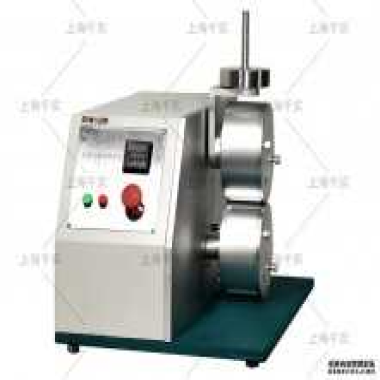
A Velcro fatigue testing machine is designed to simulate repeated attachment and detachment of hook-and-loop fasteners. The machine can automatically or semi-automatically cycle Velcro samples through repeated bonding and separation, recording the number of cycles and their status. After the set cycles are completed, the samples can be tested with a tensile testing machine to measure residual adhesion strength, evaluating durability and performance trends over time.
Hook-and-loop fasteners consist of interlocking hooks and loops whose adhesion gradually deteriorates during use. Fatigue testing evaluates long-term reliability, providing essential data for production quality control, standard compliance, and product optimization.
Primary Purposes of the Equipment
Assessing durability: Simulates repeated attachment behavior under realistic use conditions by setting specific cycle counts.
Measuring adhesion degradation: Determines changes in bonding strength after extensive cycles.
Supporting quality control and R&D: Compares durability of different materials or production processes during development and production.
Compliance with industry standards: Some standards, such as DIN, ISO, and SATRA, require products to maintain basic performance after a set number of cycles.
Testing Principles and Procedure
Velcro fatigue testing machines follow preset cycle logic to ensure standardized evaluation. The core principles include:
Simulating repeated bonding and separation
The machine typically uses a pair of rollers or clamps to secure the hook and loop sides on movable fixtures. Continuous cyclical motion simulates repeated attachment and detachment under real-use conditions. For example, some devices operate at approximately 60 rpm to replicate normal opening and closing actions.
During testing, the machine automatically records the number of cycles via counters or electronic displays. Cycles can be set to simulate light use or extended cycles to represent long-term durability.
Adhesion evaluation after cycles
After the designated cycles, samples are usually tested with a tensile testing machine to measure residual adhesion strength. Samples are cut to specified dimensions, mounted on the testing machine, and pulled to determine maximum adhesion or peel force, typically expressed in newtons (N). This data assesses whether the product meets design or standard requirements.
Testing Metrics and Standards
testing typically references the following industry standards:
DIN 3415: German industrial standard for hook-and-loop fastener fatigue behavior.
ISO 22776: International standard for Velcro adhesion performance testing.
SATRA TM123: Industry-recognized method for Velcro fatigue testing.
GB/T 23315‑2009: Chinese national standard for standardized hook-and-loop testing.
These standards define cycle counts, sample sizes, adhesion measurement methods, and procedural guidelines, ensuring consistent results across laboratories and production lines.
Equipment Structure and Components
A typical Velcro fatigue testing machine is designed for continuous, stable cycling and accurate counting. Key components include:
Sample holder and work platform: Adjustable fixtures hold the Velcro samples securely throughout testing.
Rollers or servo drive mechanism: Motors drive rollers or clamps for repeated bonding and separation. Servo or stepper motors control cycle frequency and displacement for precision.
Control system and counters: Electronic systems allow setting of cycle counts, monitoring of test status, and display of current cycles on LCD screens or digital counters.
Typical Parameters
Cycle count: Number of attachment-detachment cycles. For example, 1.000 cycles for light use and 5.000 or more for high-frequency applications.
Testing speed: Expressed in rpm, e.g., 60 ± 5 rpm, simulating normal use while maintaining testing efficiency.
Applied weight or pressure: Some machines apply weight or pressure to ensure uniform adhesion during cycles, supporting subsequent strength measurements.
Industry Applications
Velcro fatigue testing is vital across various sectors:
Apparel and sportswear: Widely used in clothing, children's wear, footwear, and sports equipment. Fatigue testing ensures safety and reliability, especially for high-frequency use.
Bags and luggage: Used in flaps, pockets, and closures; durability directly affects product lifespan.
Automotive and safety devices: Velcro secures seat attachments, interior components, and safety devices, with adhesion performance critical for safety.
Medical and functional products: Bandages, braces, and other medical supplies require repeated attachment; testing evaluates adhesion under conditions including skin contact and sterilization.
Data Analysis and Evaluation
Peel strength: Measured in newtons (N), indicating force required to separate the Velcro after fatigue cycles.
Adhesion strength: Maximum bonding capacity remaining after repeated use.
Comparing pre- and post-test values allows assessment of material or design degradation, guiding product improvement and material selection.
Operational Considerations and Quality Control
Standardized sample preparation: Size, hook/loop orientation, and clamping method must follow standard procedures to avoid errors.
Environmental control: Temperature and humidity influence adhesion; tests should be conducted under stable conditions.
Consistent parameter settings: Cycle count, speed, and pressure must remain consistent across tests for comparability.
Referenced Standards: DIN 3415. ISO 22776. SATRA TM123—these provide guidance on procedures, equipment requirements, sample preparation, and result evaluation, ensuring uniformity across laboratories and manufacturers.
Future Trends
Automation and digital control: Modern machines integrate software for parameter settings, real-time monitoring, and automated report generation.
Intelligent data analysis: Big data processing helps evaluate fatigue trends and guide material or product development.
Multi-process integration: Combining fatigue testing with peel, tensile, and other performance tests allows comprehensive assessment of Velcro products.
In summary, a Velcro fatigue testing machine simulates repeated attachment and detachment cycles, displays counts, and works in conjunction with adhesion tests to evaluate durability and reliability over long-term use. Closely aligned with international standards, it is widely applied in apparel, footwear, luggage, automotive components, and medical products, forming an essential part of product quality control systems.