

What is Fusing Machine?
In modern manufacturing and the textile industry, a fusing machine is a crucial piece of equipment. It combines two or more layers of material through heat and pressure, forming a strong integrated structure without the need for traditional sewing or adhesives. Fusing machines are widely used in apparel production, textile processing, automotive interiors, and furniture material manufacturing. With the continuous advancement of automated production technology, their importance continues to grow.
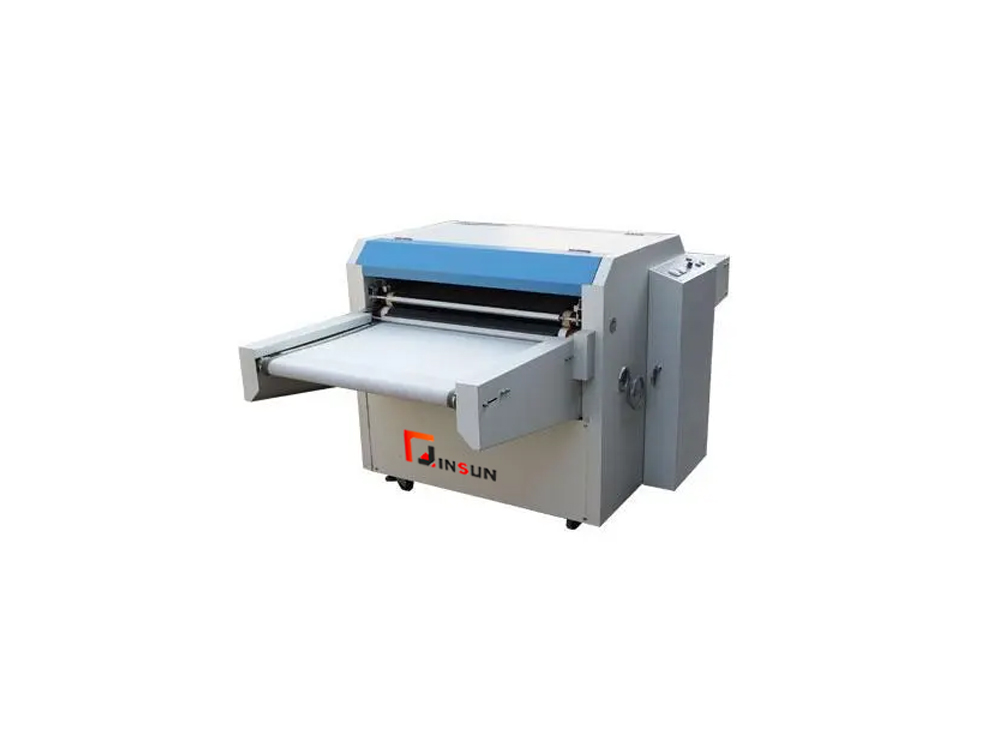
Basic Definition
A fusing machine is an industrial device used to bond two or more materials by applying controlled heat, pressure, and time, causing a thermoplastic adhesive layer or one of the material layers to melt and then solidify upon cooling and pressing. This process is commonly used in textiles and apparel manufacturing to attach fabrics, linings, labels, or decorative elements without traditional stitching.
The core principle involves placing a hot-melt adhesive (such as adhesive films or tapes) between two materials. By controlling specific temperature and pressure conditions, the adhesive melts and penetrates the fiber structure of the materials, creating a firm bond. This fusing process significantly improves product appearance, quality, durability, and production efficiency.
Working Principle
The basic principle of a fusing machine is to apply heat and pressure to the adhesive layer of one material so that it melts and bonds the materials together. Once cooled, the adhesive solidifies, forming a stable bonded interface. The process consists of three main stages:
Material Alignment and Feeding
Materials to be fused, such as fabric and lining with adhesive layers, are aligned and placed in the feeding section of the machine. Some machines feature automatic feeding systems for continuous operation.
Heating to Activate the Adhesive
In the heating section, materials and adhesive are brought to the set temperature. The adhesive melts and becomes fluid, allowing it to penetrate the surrounding fibers. Temperature control is critical; too high or too low temperatures can lead to poor bonding.
Pressure Application and Cooling
Once the adhesive reaches optimal fluidity, the machine applies uniform pressure through rollers or plates to bond the layers. The materials then move into a cooling section, solidifying the adhesive and forming a strong bond.
The three core parameters—temperature, time, and pressure—must be precisely adjusted according to the materials and adhesive used to ensure a stable and high-quality bond.
Types of Fusing Machines
Fusing machines can be classified based on process type and equipment structure:
Flatbed Fusing Machines
These machines have a flat work surface and are suitable for small parts or localized fusing tasks, such as attaching labels, patches, or decorative items. They are ideal for small-scale production or detailed component processing.
Roller (Continuous) Fusing Machines
Using belt-driven heat and pressure systems, these machines continuously fuse long rolls of material, making them suitable for high-volume production. They provide high efficiency and consistent bonding quality.
Vacuum Fusing Machines
Vacuum technology removes air during heating and pressing, reducing air bubbles and improving uniformity of the bond. They are suitable for high-precision fabrics or materials requiring minimal voids.
Multi-layer Fusing Machines
These machines can bond multiple layers simultaneously, ideal for complex products or multi-layer materials used in high-end applications.
There are also manual small-scale fusing machines and fully automated industrial systems, each tailored to specific production needs.
Applications in Textiles and Apparel
Collars, Cuffs, and Waistbands
In shirts, jackets, and other garments, fusing linings or reinforcements adds structure, shape retention, and improved appearance. Fusing provides a seamless, smooth bonding method that enhances garment quality.
Seamless Apparel Manufacturing
Fusing has become an alternative to stitching in seamless garments, especially for loungewear, underwear, and functional apparel, providing skin-friendly, friction-free seams.
Decorative and Functional Components
Fusing machines are used to attach badges, logos, and reflective materials to garments, offering a more durable and visually appealing result compared to stitching.
Composite Material Production
In furniture fabrics, automotive interiors, and luggage, fusing technology bonds fabrics with functional films or nonwoven layers to create multi-layer structures.
Large-scale Industrial Production
Continuous fusing machines are used for long fabrics or rolls, enabling high-capacity, low-cost processing of textiles for structural reinforcement.
These applications demonstrate the core role of fusing machines in traditional apparel manufacturing and their extension into other industrial sectors.
Technical Advantages of Fusing Machines
Compared with sewing, adhesive bonding, or heat-press methods, fusing machines offer several significant advantages:
Improved Appearance
Fusing provides seamless, flat bonding, making surfaces smooth and visually appealing without thread lines or wrinkles.
Enhanced Performance
Fusing increases structural strength, shape retention, and durability, especially in collars, cuffs, and other garment areas.
Higher Production Efficiency
Continuous fusing machines enable automated, uninterrupted processing, reducing manual labor and increasing output.
Reduced Labor Costs
Replacing some sewing steps with fusing reduces dependence on skilled labor, lowering overall production costs.
Wide Material Compatibility
Fusing works with various fabrics and hot-melt adhesives, offering flexibility to adjust parameters for different product requirements.
These advantages make fusing machines an efficient, rational choice for modern manufacturing, particularly in high-end apparel, sportswear, and functional material production.
Key Parameters and Technical Requirements
Successful fusing depends on precise control of key parameters:
Temperature Control
Each material and adhesive has a specific melting range. Excessive heat can scorch materials, while insufficient heat prevents proper bonding. Modern fusing machines feature accurate temperature regulation.
Pressure Adjustment
Pressure affects adhesive penetration and uniformity. Insufficient pressure may cause partial bonding; excessive pressure may damage materials.
Speed and Time Control
Conveyor speed and dwell time influence bonding quality. Improper speed can result in inadequate heating or overheating.
Precise coordination of temperature, pressure, and time is critical for stable, high-quality fusing.
Operation and Maintenance
Daily Inspection
Check heating plates, conveyors, and pressure mechanisms before operation to ensure proper function. Sensors for temperature and pressure must be accurate and fault-free.
Cleaning and Lubrication
Keep heating and conveying systems clean to avoid adhesive buildup, and lubricate mechanical components to prevent jamming.
Parameter Setting and Adjustment
Set parameters according to material type and production requirements. Test on a small batch before large-scale production.
Regular Calibration
Periodically calibrate temperature and pressure sensors to maintain bonding quality and consistency.
Industry Trends and Development Prospects
With the advancement of automation, smart manufacturing, and sustainable materials, fusing machines are evolving:
Automated Intelligent Control: Sensors monitor adhesive performance in real time and automatically adjust parameters, enabling unmanned production.
Expanded Material Compatibility: Fusing machines increasingly support new fibers, composites, and even nanomaterials.
Environmental Efficiency: Optimizing heating systems and reducing energy consumption addresses global energy-saving and emission-reduction demands.
These trends show that fusing technology is not limited to textiles but will have broader industrial applications.
In summary, a fusing machine is an industrial device that bonds materials through heat and pressure. It plays a vital role in modern manufacturing, particularly in apparel, textiles, and composite materials. Compared with traditional sewing and adhesive methods, fusing offers higher efficiency, improved appearance, and more stable structural performance. With the development of automation and intelligent manufacturing, fusing technology will continue to enhance production efficiency and material adaptability, providing more reliable and environmentally friendly solutions for the manufacturing industry.